
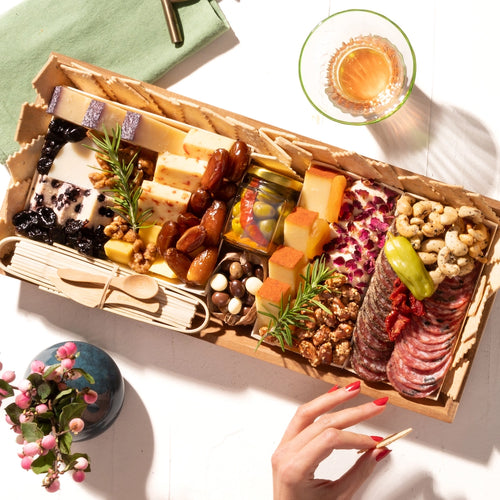

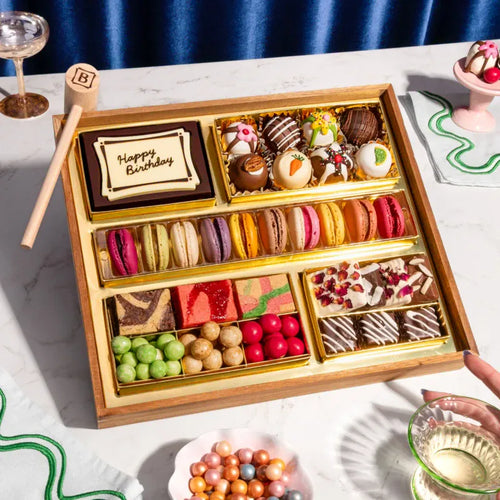
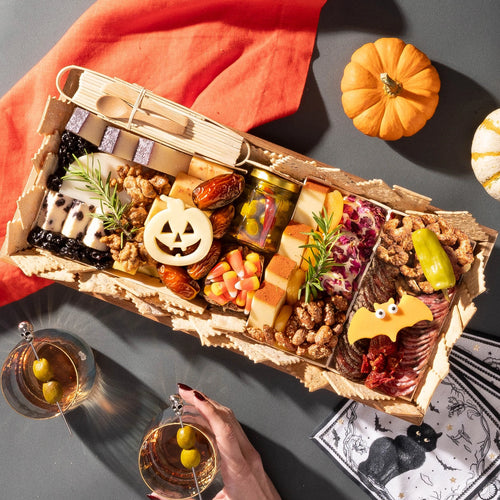


A vegetarian charcuterie board is a thoughtfully arranged platter of plant-based ingredients that offers an appealing alternative to traditional meat-based boards. It typically includes a variety of vegetarian and vegan items, such as cheese, fresh fruits, vegetables, nuts, spreads, and crackers. The concept is to create a board that is both visually striking and delicious, offering a variety of textures and flavors to satisfy diverse tastes. This type of board is designed for those who prefer a meatless diet while still enjoying the communal and festive experience of a charcuterie spread.
Ideal Occasions for a Vegetarian Grazing Board
Whether you're hosting a brunch, an evening party, or a festive holiday celebration, a plant-based charcuterie board can be adapted to suit the occasion. Its ability to be prepared in advance and arranged artfully makes it a popular choice for social events.
Nutritional Value and Health Aspects
Vegetarian charcuterie boards can be a nutritious and health-conscious choice, offering a vibrant mix of vitamins, minerals, fiber, and healthy fats from fresh fruits, vegetables, nuts, and whole-grain crackers. While cheeses and certain dips can add protein and calcium, they may also increase calorie and saturated fat content. To keep your board balanced, opt for a variety of colorful produce, include protein-rich plant-based options like hummus or legumes, and choose whole-grain or seed-based crackers for added fiber. Moderating portions of cheese and nuts can help manage calorie intake, making the board both satisfying and wholesome for any occasion.

Essential Components of a Vegetarian Charcuterie Board
Vegetarian Meats and Plant-Based Alternatives
Instead of traditional cured meats, you can showcase a variety of plant-based options that deliver robust flavors and hearty textures. Popular choices include marinated tofu slices, seitan-based deli options, or even innovative veggie sausages. These alternatives offer a similar savory appeal while keeping the board completely meatless. They can be seasoned, grilled, or served cold, offering a range of preparations that enhance your presentation's overall diversity and flavor.
Selection of Cheeses for a Vegan Cheese Platter
No charcuterie board is complete without a selection of cheeses, and for a vegan twist, choosing the right alternatives is crucial. Vegan cheeses have come a long way, offering options that mimic the creamy textures and tangy flavors of their dairy counterparts. Look for a variety that includes both hard, aged styles and soft, spreadable options. This blend offers a satisfying contrast in texture and flavor, appealing to all tastes. Incorporating a few unique choices, such as nut-based cheeses or those infused with herbs and spices, adds a gourmet touch to your board. These choices elevate the aesthetic appeal and ensure a rich, balanced taste experience.
Fresh Fruits, Vegetables, and Nuts
A vegetarian charcuterie board shines with vibrant colors and natural flavors from fresh produce and nuts. These elements add texture, taste, and visual appeal.
- Crisp Vegetables: Imagine thinly sliced cucumber carefully arranged to showcase their cool and hydrating quality. These slices offer a mild yet distinctive taste that complements the more assertive flavors of other produce. Bell peppers, available in a range of colors from vivid reds to sunny yellows and deep greens, contribute both sweetness and a satisfying crunch that awakens the palate. Their firm texture is complemented by a slightly grassy undertone that can enhance the more robust flavors on the board. Cherry tomatoes, with their delicate skins and juicy interiors, are a masterful combination of tangy and subtly sweet notes, making each bite an explosion of freshness. These vegetables are selected for their peak ripeness and are known to burst with flavor when nibbled, providing a counterbalance to creamier or nuttier elements. Their natural fiber and water content also make them a healthful addition, contributing not just to the visual appeal but to the board’s overall nutritional value.
- Seasonal Fruits: The choice of grapes, apple slices, and berries is a testament to the art of selecting ingredients that peak in their seasonal glory. Grapes, whether plump and sweet or tart and refreshing, add a dynamic flavor profile that is both invigorating and satisfying. Their bite-sized form makes them a versatile ingredient, offering bursts of juiciness with every nibble. Apple slices, when carefully selected for their perfect balance of tartness and natural sugar, introduce a crisp and aromatic component. Their subtly firm texture can be enjoyed on its own or paired with other items on the board to create a complex flavor interplay. Berries, in their various hues, contribute with their sweet and tangy flavor and a vibrant splash of color. Their soft, almost delicate texture contrasts beautifully with the crunchier elements, creating a harmonious blend of textures in each bite. Carefully curating these fruits underscores the importance of visual appeal and seasonal availability. Their natural sugars are accentuated by the produce's simple freshness, ensuring no flavor is lost. The process of selecting and preparing these fruits involves meticulous attention to their ripeness and texture, ensuring that every slice, every cluster, and every berry contributes to a larger narrative of abundance and health.
- Nutty Texture: Including a variety of nuts, such as almonds, pistachios, and walnuts, introduces a unique textural contrast that is both satisfying and enriching. Each nut contributes a distinct character that helps to round out the flavor profile of the charcuterie board. Almonds, with their firm yet slightly buttery consistency, provide a crunch that is both hearty and delicate. A light roast often enhances its mild flavor, which brings out subtle hints of sweetness and a toasted aroma that pairs beautifully with fresh produce and creamy cheeses. Pistachios, known for their vibrant green hue and unique taste, introduce an element of intrigue with their slightly salty finish and softer texture when compared to other nuts. Their natural flavor is further amplified when they are gently salted or lightly toasted, offering a burst of flavor that lingers pleasantly on the palate. Walnuts, on the other hand, provide a rich, earthy quality that can serve as a counterbalance to the brightness of fruits and vegetables. The natural oils soften their slightly bitter edge, creating a nuanced taste experience that is both robust and refined.
The careful assembly of crisp vegetables, seasonal fruits, and nutty textures is more than a culinary decision. It is an art form that celebrates the beauty and bounty of nature.
Ingredient Selection Tips and Substitutions
Select the best ingredients for flavor, texture, and dietary preferences, as well as substitutions for various components to accommodate different needs. When building a vegetarian charcuterie board, prioritize ingredients that balance flavors and textures while accommodating dietary preferences. Choose a mix of creamy, sharp, and aged cheeses or opt for plant-based alternatives for vegan guests. Select seasonal fruits and crisp vegetables for peak freshness and vibrant color. For added crunch, include a variety of nuts and whole-grain crackers. Gluten-free versions are available for those with sensitivities. Substitute hummus or bean dips for dairy-based spreads, and use marinated tofu or seitan in place of traditional meats. This flexible approach ensures everyone can enjoy a delicious, inclusive board.
Crafting the Perfect Vegetarian Grazing Board
One must know how to assemble a vegetarian charcuterie board, often outlining the order in which to place different ingredient types and providing tips for arrangement and presentation. Start by selecting a large, attractive serving board that provides ample space for your assortment of items. When arranging the board, place larger components, such as bowls for dips and spreads, first. These act as anchors around which you can artistically arrange other ingredients. The goal is to create a visually appealing layout that invites guests to explore the variety of textures and flavors. Thoughtful placement, ensuring a mix of colors and shapes, can elevate the board from a simple appetizer to a centerpiece that sparks conversation and excitement.
Next, consider the overall balance of flavors on your board. Incorporate a mix of savory, sweet, crunchy, and soft elements to create an engaging sensory experience. For instance, pair tangy, plant-based cheeses with crisp vegetables and fresh fruits. Complement these with robust dips such as hummus or a zesty mustard spread, serving as a flavor enhancer and a textural contrast. Experiment with small clusters of nuts and seeds to add crunch, and include a few pickled items for a burst of acidity. This combination enriches the flavor profile and ensures that there is something to satisfy every palate.
Finally, don’t underestimate the power of simple vegetarian board presentation tips to transform it. To add a finishing touch, garnish the arrangement with fresh herbs like basil or rosemary to introduce an aromatic element that ties everything together. Use small ramekins or shot glasses for items that might otherwise blend into the background, ensuring each component stands out. The key to a successful board lies in its adaptability. Feel free to adjust quantities and selections based on the occasion, seasonal availability, or guest preferences. With a little creativity and careful planning, you can craft a vegetarian grazing board that is delicious and nutritious and a visual feast that captivates and delights your guests.

Pairing and Serving Suggestions
Complementary Wines and Beverages
It’s essential to appreciate the artistry behind pairing drinks with plant-based flavors. The following explores diverse options, each with its own character and ability to accentuate a thoughtfully prepared board's taste, texture, and visual appeal.
- Complementary Wines & Beverages – A well-curated selection of wines and beverages can transform the best charcuterie dips into an extraordinary feast for the senses. The right beverage works as both a complement and a contrast to the assortment of colors, textures, and flavors on the board. When one considers the wide variety of plant-based ingredients—from the delicate crunch of fresh vegetables to the creamy consistency of artisanal vegan cheeses—the beverage choice becomes a critical factor that brings cohesion to the dish. In a setting where flavor dynamics play a crucial role, the subtle notes of acidity, the gentle hint of sweetness, or even the vibrant sparkle of a well-chilled drink can bridge the gap between different ingredients, ensuring that no single flavor overpowers the others. The experience is further enhanced when the chosen drink offers an aromatic complexity that mirrors the varied spices and herbs within the spread, lending an air of sophistication and balance.
- White Wines – White wines, celebrated for their crisp and refreshing profiles, offer an exquisite complement to the vibrant flavors of vegan cheeses and the natural freshness of raw vegetables. The experience begins with the delicate bouquet released from a well-chilled glass of white wine, inviting the senses to appreciate the interplay between its subtle acidity and the creamy, rich texture of plant-based cheeses. A characteristic feature of these wines is their ability to cleanse the palate between bites, making them an ideal companion for an array of fresh, crisp vegetables that might be dotted with hints of herbaceous notes. The vibrant citrus and green apple undertones often found in such wines elevate the freshness of greens and the subtle earthiness of root vegetables, crafting a balanced and refreshing taste experience. Furthermore, the versatility of white wines allows for an exploration of varietals—from a zesty Sauvignon Blanc that sparkles with acidity to a smoother, more rounded Pinot Grigio that gently embraces the flavor of each bite. The interplay between these wines and the charcuterie board is an exercise in contrast and complementarity. While the natural sweetness and mild bitterness of leafy greens or the tanginess of pickled vegetables provide a lively counterpoint, the wine’s crisp finish ties the elements together with an elegant, lingering note. Beyond just flavor, the visual presentation of a sparkling white wine mirrors the delicate, fresh aesthetic of the vegetarian ingredients, creating a unified dining experience that is as pleasing to the eye as it is to the taste buds.
- Sparkling Rosé – This is more than just a beverage choice. It is an experience that brings an effervescent, festive spirit to any dining occasion. Its delicate bubbles and gentle, flirtatious pink hue evoke a sense of celebration and sophistication that perfectly balances the rich, savory elements found on a vegetarian charcuterie board. The allure of sparkling rosé lies in its multifaceted character: on the one hand, it offers a refreshing burst of effervescence that cleanses the palate with every sip, and on the other, it provides a subtle sweetness that complements and contrasts with the savory, umami-rich flavors of marinated vegetables and artisanal spreads. Each glass tells a story of meticulous craftsmanship, where the careful balance of acidity, residual sugar, and effervescence creates a sensory dance that enhances every bite. The interplay between the bubbles and the flavors of plant-based ingredients allows for the gradual unveiling of the dish’s complexity. The slight tartness inherent in sparkling rosé can elevate the natural tang of fermented condiments or the sharpness of pickled vegetables. At the same time, its gentle effervescence adds a playful contrast to the smooth, velvety texture of soft vegan cheeses.
- Artisan Sodas – Unlike mass-produced sodas that often rely on overly sweet or uniform profiles, artisan varieties focus on natural ingredients, creative infusions, and a balanced taste that allows the intrinsic flavors of each component to shine. When paired with a diverse array of plant-based items, these sodas can provide a delightful counterbalance, engaging the palate with their nuanced flavor notes. Crafting an artisan soda often involves carefully selecting natural sweeteners, botanicals, and a touch of spice, resulting in a drink that is as complex as it is refreshing. It introduces layers of flavor—perhaps a hint of ginger paired with the citrus tang of lemon or the aromatic complexity of herbs that evoke a sense of garden freshness. This intricate layering of tastes is particularly well-suited to accompany the varied textures and flavors on a charcuterie board. For example, the effervescence of an artisan soda can cut through the richness of creamy vegan cheeses while accentuating the subtle sweetness of caramelized nuts or the vibrant tang of marinated vegetables. Also, the visually appealing presentation of artisan soda, often served in vintage glass bottles or with an artisanal label, adds an element of craft and care to the dining experience.
- Iced Tea – With its wide range of flavors and subtle herbal nuances, Iced tea offers a versatile and refreshing counterpoint to the diverse tastes of a vegetarian charcuterie board. The charm of freshly brewed iced tea lies in its ability to adapt to various flavor profiles—whether steeped from classic black tea, green tea, or an herbal blend, each variety brings its own unique set of qualities that harmonize beautifully with the vibrant ingredients of a plant-based spread. The process of brewing iced tea demands a careful balance of steeping time, temperature, and the quality of tea leaves, all of which contribute to a final product that is both crisp and layered in flavor. A well-made iced tea provides an invigorating sensation that refreshes the palate and creates a pleasant contrast to the board's rich, savory, or tangy components. The cooling effect of iced tea is particularly notable during warmer seasons, when the natural chill of the beverage acts as a counterbalance to the deep, concentrated flavors of marinated vegetables or spiced dips.
Carefully chosen drinks can elevate a vegetarian charcuterie board into a multi-sensory experience. Each beverage, from balanced white wines and celebratory sparkling rosé to artisan sodas and refreshing iced tea, enhances the presentation and taste of the spread.
Seasonal Ingredient Variations
The beauty of a plant-based charcuterie board lies in its adaptability to the seasons. In the cooler season, heartier ingredients such as roasted root vegetables, seasonal fruits like apples or pears, and robust, aged vegan cheeses can add depth and warmth. These seasonal tweaks keep your board exciting and visually appealing, ensuring the flavors remain in harmony with the time of year.
Hosting Tips for Parties and Gatherings
A successful charcuterie board for vegetarians can be the star of any gathering, providing a versatile and interactive centerpiece for guests. When hosting, consider arranging for the board to invite conversation and exploration. Ensure that all items, from the best cheese for charcuterie to creative dips, are easily accessible. Use a mix of small bowls for dips and spreads alongside clusters of vegetables, fruits, and nuts to add layers of texture. Keep extra platters of crackers or bread nearby, allowing guests to customize their bites. For a more engaging experience, offer a variety of veggie charcuterie ideas that encourage guests to experiment with pairings, creating their perfect bite.

Serving and Portion Guidance
There are recommendations for serving sizes, portions, and how to scale the board for different occasions or group sizes. Getting the serving sizes right is key to creating a satisfying and waste-free experience, whether you're hosting an intimate brunch or a large festive gathering. The foundation of portioning begins with your guest count and the role the board will play: is it a light appetizer, the main event, or part of a broader spread? For appetizers, a standard recommendation is to offer 2–3 ounces of cheese and dips per guest, which provides enough variety without overwhelming the palate. If your board is meant to serve as a main course, perhaps for a casual dinner or lunch, aim for about 6 ounces of cheese and dips per person to ensure everyone leaves satisfied. Crackers, breads, and other bases should be provided in generous handfuls, typically one large handful per person, allowing guests to sample different pairings without running out.
Scaling your vegetarian charcuterie board for different group sizes is a matter of both quantity and variety. For a small gathering of 2–4 people, two to three types of cheese, a couple of dips, and a selection of three to four fruits, vegetables, or nuts offer enough diversity without excess. As your guest list grows, increase not only the amounts but also the range of components. For medium-sized groups (6–8 guests), consider offering four to five varieties of cheese, a trio of spreads, and five or more types of fruits and vegetables. Larger parties of ten or more benefit from an even broader range: six or more cheeses, four dips, and a vibrant array of produce and nuts, ensuring each guest finds something appealing, and the board remains visually abundant.
It's also practical to adjust the board based on the occasion and the duration of the event. For longer gatherings or those with a heavier focus on grazing, err on the side of abundance. Many charcuterie board ingredients, such as nuts, crackers, and pickles, have a longer shelf life and can be saved for future use if not finished. When in doubt, it's better to slightly overestimate quantities, especially for items that keep well, rather than risk running short.
Consider accessibility and flow when scaling your board. For larger crowds, multiple smaller boards or platters placed around the space make it easier for guests to serve themselves and prevent congestion. Offering extra bowls of crackers or bread on the side ensures everyone has enough to pair with spreads and cheeses. Always keep dietary preferences and restrictions in mind, providing clear labels or separate sections for vegan or gluten-free options as needed.
Storage and Make-Ahead Tips
Learn how to store prepared ingredients or assembled boards, along with advice on making components ahead of time for convenience. To keep your vegetarian charcuterie board fresh and convenient for entertaining, prep ingredients in advance and store them properly. Arrange perishable items like cheeses, cut fruits, and vegetables in airtight containers in the refrigerator until ready to serve. Dips and spreads can be made a day ahead and kept chilled. For the best texture, store crackers, bread, and nuts separately at room temperature in airtight containers to prevent sogginess. If assembling the board ahead, cover it tightly with plastic wrap and refrigerate, adding delicate items like herbs or sliced fruit just before serving. This approach ensures maximum freshness and saves time on the day of your event.
These meatless cheese boards bring together a diverse range of plant-based ingredients to create a visually stunning and nutritionally balanced grazing experience. These provide an innovative, meatless twist on a classic appetizer by incorporating savory vegan cheeses, flavorful veggie meats, fresh fruits, crisp vegetables, and delectable dips. They cater to various dietary preferences and ensure every guest finds something appealing. The customizable nature of these boards encourages creativity, allowing hosts to experiment with flavors and textures while focusing on healthy, sustainable ingredients. Make hosting effortless by ordering a beautifully arranged vegetarian charcuterie board from Boarderie, delivered fresh and ready to serve for any gathering.
