
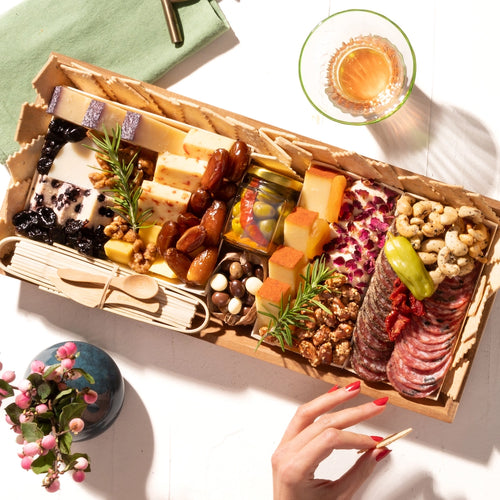

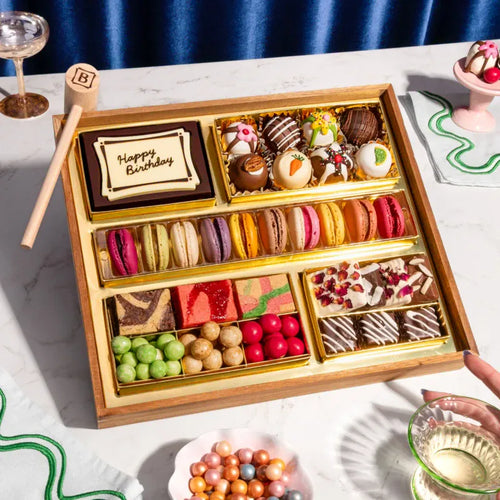
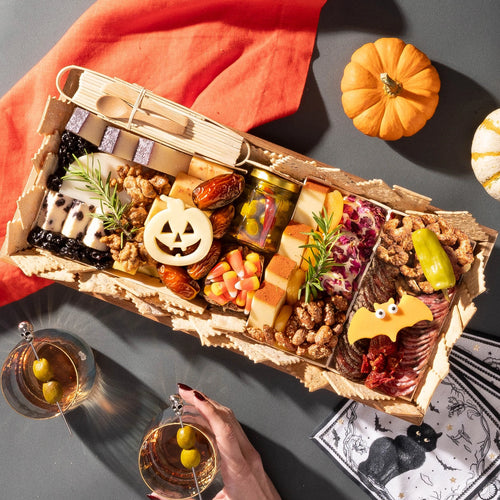


In recent years, the concept of a vegetarian charcuterie board has gained popularity, aligning with the growing demand for vegetarian and vegan lifestyles. As people become more health-conscious and environmentally aware, the traditional charcuterie board, laden with various meats, has been reimagined to accommodate meatless preferences. This transformation has not only introduced an array of vegetarian options but also expanded culinary horizons, allowing everyone to enjoy a richly assorted platter without meat products.
Essential Ingredients and Components
Common foods and ingredients on vegetarian charcuterie boards include cheeses, vegetables, fruits, nuts, breads, crackers, spreads, and plant-based alternatives.
Best Cheeses for Charcuterie
The best cheeses for charcuterie should offer a variety of textures and flavors. Soft cheeses like Brie and Camembert provide a creamy texture that contrasts beautifully with crisp crackers. For those who prefer a firmer texture, aged cheddar or Gouda offers a rich, sharp flavor that deepens the overall taste profile of the board. Including a blue cheese, like Gorgonzola, can add a bold, pungent touch that cheese aficionados appreciate.

Fresh and Pickled Vegetables
No vegetarian platter is complete without the vibrant colors and textures of fresh and pickled vegetables. Carrot sticks, cherry tomatoes, and cucumber slices are staples that provide a refreshing crunch. Consider adding pickled vegetables like gherkins, olives, or artichoke hearts to elevate the board. These briny, tangy elements add visual appeal and enhance the board's flavor complexity, making every bite more enjoyable.
Nuts and Dried Fruits
Both bring an essential crunch and nutritional value to healthy charcuterie boards. Almonds, walnuts, and pecans are popular, offering a satisfying bite that complements softer cheeses and spreads. Incorporate seeds like pumpkin or sunflower for a subtle texture. Dried fruits such as apricots, figs, or raisins add a sweet contrast to the savory elements of the board, bridging flavors and creating a well-rounded selection.
Artisanal Breads and Crackers
High-quality artisanal breads, such as a crusty baguette, sourdough, or focaccia, introduce complex flavors and chewy textures that contrast beautifully with the richness of cheeses and spreads. Sourdough, known for its tangy depth and hearty chew, pairs exceptionally well with cured meats like prosciutto or salami, enhancing the savory notes. Meanwhile, focaccia, often infused with olive oil, herbs, or roasted garlic, brings a soft, flavorful bite that harmonizes with sweet and savory toppings. Crackers are equally important, offering a crisp alternative that contrasts with softer elements on the board. Instead of relying solely on plain water crackers, incorporating a range of textures and flavors enhances the spread's diversity.
Creative Vegetarian Platter Ideas for Every Occasion
Creative variations and themed approaches to vegetarian charcuterie boards, such as seasonal boards, low-calorie options, and holiday-themed presentations.
Classic Veggie and Cheese Tray
This tray should balance variety and accessibility, featuring staples like sliced bell peppers, broccoli florets, and radishes paired with crowd-pleasing cheeses such as Swiss and provolone. Enhance this basic setup with a couple of mustards or a honey dip to introduce a new dimension of taste that complements the fresh produce and smooth cheeses.
Gourmet Charcuterie Board
Incorporate exotic cheeses like Manchego or a rich, creamy Boursin. Pair these with high-end accompaniments such as truffle pâté and marinated vegetables. Adding a few edible flowers and a sprinkling of microgreens can dramatically elevate the visual appeal, turning your charcuterie into a memorable centerpiece that guests will talk about long after the event.
Low-Calorie Charcuterie Options
Focus on lean, fresh ingredients such as turkey slices, fresh cherry tomatoes, and cucumber. Accompany these with light cheeses like goat cheese or feta, which offer a robust flavor profile without the added fat. Use dips such as Greek yogurt mixed with herbs or a tangy balsamic glaze to add depth without excessive calories, ensuring your board is healthy and satisfying.
Seasonal and Holiday-Themed Vegetarian Boards
For autumn, think of pumpkin seed spreads, spiced apple slices, and aged cheddar. Winter boards could feature roasted chestnuts, cranberry compote, and stilton cheese. Use thematic colors and ingredients that reflect the time of year and create a festive mood, making each gathering and its fare both unique and thematic.
Vegan Charcuterie Board Options and Plant-Based Alternatives
Vegan Charcuterie Meat Substitutes
When it comes to a vegan charcuterie board, innovative meat substitutes are essential. Products such as seitan, tempeh, and specially prepared tofu can mimic traditional charcuterie flavors and textures. Smoked seitan, for instance, offers a savory taste similar to smoked meats, while marinated tempeh can provide the hearty, chewy experience one expects from cured meats. These alternatives cater to dietary preferences and introduce a new layer of variety to your board, appealing to vegans and meat-eaters alike.
Unique Plant-Based Dips, Spreads, and Condiments
Creating one is an opportunity to showcase the incredible variety and flavor of plant-based dips, spreads, and condiments. These elements are crucial in enhancing the board's taste and texture while ensuring it remains vibrant and appealing. Here's an exploration of crafting such components:
-
Cashew Cream Cheese: To prepare, blend soaked cashews, lemon juice, nutritional yeast, garlic, and a pinch of salt until silky. This combination creates a tangy, umami-rich flavor that pairs beautifully with crisp crackers and fresh vegetables. You can enhance it further by adding herbs, sun-dried tomatoes, or roasted garlic for a customized twist. Unlike store-bought dairy alternatives, homemade cashew cream cheese allows control over flavor intensity and texture, making it a standout addition to any plant-based charcuterie board.
-
Olive Tapenade: Olive tapenade is a bold, briny spread that adds a Mediterranean flair to your vegan board. This savory mix combines kalamata and green olives, capers, garlic, fresh parsley, and a touch of lemon juice, blended into a coarse paste with olive oil. The result is a spread with intense umami depth, making it perfect for toasted baguette slices, seeded crackers, or raw veggies. The salty and slightly tangy profile contrasts beautifully with sweeter elements on the board, such as fresh grapes or figs. For an extra twist, try adding roasted red peppers or chili flakes to balance the saltiness with a smoky or spicy kick.
-
Muhammara: This Middle Eastern delight is an exceptional alternative to standard dips, offering a balance of sweet, smoky, and spicy flavors. Muhammara is crafted by blending roasted red peppers, walnuts, garlic, pomegranate molasses, and cumin into a smooth yet textured spread. The natural sweetness of red peppers contrasts beautifully with the earthy depth of walnuts, while pomegranate molasses adds a tangy, slightly tart element that sets it apart from hummus or salsa. The subtle warmth of cumin and chili flakes makes it even more appealing.
-
Beet Hummus: The combination of roasted beets, chickpeas, tahini, lemon juice, and garlic results in a creamy, earthy dip with a subtle sweetness. Unlike traditional hummus, the addition of beets enhances the natural depth of flavor while providing antioxidants and essential nutrients. The rich pinkish-purple hue makes it an eye-catching component that stands out among other spreads. Pair beet hummus with pita chips, seeded crackers, or crudités like cucumber and bell peppers for a well-balanced bite.
-
Avocado Aioli: Made by blending ripe avocados, garlic, lime juice, and a touch of vegan mayo, this dip is smooth, flavorful, and highly versatile. The buttery texture of avocado makes it a luxurious spread for crackers, while its bright citrus notes add freshness to the board. Unlike guacamole, avocado aioli has a thicker, silkier consistency, making it ideal for spreading onto sandwiches or dipping crispy roasted vegetables. Add smoked paprika, chopped fresh cilantro, or a hint of Dijon mustard to elevate the taste further.
A well-balanced vegan charcuterie board relies on an exciting mix of textures and flavors. Whether hosting a gathering or indulging in a casual snack, these elements transform a simple charcuterie board into an unforgettable culinary experience.

Tips for Arranging a Stunning Vegetarian Cheese Board
Assembling and arranging a visually appealing vegetarian charcuterie board is both an art and a science. By following a thoughtful, step-by-step approach, you can create a balanced board that’s as beautiful as it is delicious. Here are six essential steps and practical tips to guide you through the process:
-
Choose Your Base and Tools Wisely: Select a large, food-safe board or platter as your foundation. If you don’t have a dedicated charcuterie board, use a wooden cutting board, serving tray, or even parchment-lined baking sheets. Gather small bowls, cheese knives, and serving utensils to help organize wet ingredients and make self-serving easy for guests.
-
Anchor with Large Items First: Place the largest items at key points on the board. Position one in the center and the others toward the corners or edges. These anchors create structure, guide the arrangement, and help balance the overall look of the board.
-
Layer Medium and Small Components: Next, add sliced or cubed cheeses, medium bowls, and larger accompaniments such as breadsticks or sliced bread. Stagger these between the anchors, avoiding clusters of similar colors or textures. This layering technique ensures a visually dynamic board and keeps similar items from blending together.
-
Fill Gaps with Colorful Fruits and Veggies: Use fresh and dried fruits, raw or grilled vegetables, and pickled items to fill in gaps. Distribute them evenly to add pops of color and varying textures. Arrange these items in small clusters or rows to create an inviting, abundant effect and enhance the board’s visual appeal.
-
Add Crunch and Finishing Touches: Sprinkle nuts, seeds, and crackers into the remaining spaces, focusing on contrasting colors and shapes. Tuck in small bunches of herbs like rosemary or thyme for aroma and a finishing flourish. These final touches add both texture and a polished, professional look.
-
Step Back and Adjust for Balance: Before serving, step back and assess the board’s appearance. Rearrange items as needed to achieve balance in color, shape, and ingredient placement. Ensure there are no large empty spaces and that every section offers a variety of flavors and textures for a well-rounded presentation.
By following these steps, you’ll craft a vegetarian charcuterie board that’s both balanced and visually stunning. A well-arranged board not only delights the senses but also encourages guests to sample and enjoy a diverse selection of flavors and textures.
Using Creative Garnishes
Elevate your vegetarian board for entertaining with creative garnishes that enhance its visual appeal. Herb sprigs like rosemary or thyme can be used as decoration and to infuse subtle flavors. Small bowls of bright, pickled vegetables or mustards also introduce vivid color and textural contrasts that make the board pop and invite guests to dive in.
Paired with Wine and Beverages
Choosing the right drinks to accompany your charcuterie for vegetarians can elevate the entire experience, creating a harmonious blend of flavors that complements the array of offerings. Here’s a detailed guide to help you pair your charcuterie selections with the perfect beverages:
-
Sauvignon Blanc: A crisp, refreshing white wine, it pairs well with soft cheeses like goat cheese, feta, and even creamy ricotta. The high acidity in Sauvignon Blanc cuts through the richness of the cheese while highlighting fresh herbaceous or citrus notes that often complement the vegetables and fruit on your board. This wine’s bright, zesty character makes it an ideal companion for fresh greens, tangy dips, and citrus-infused spreads. If your board includes fresh basil, chives, or dill, the herbal notes in the wine will bring out their flavors beautifully.
-
Pinot Noir: For those who prefer red wine, a light-bodied Pinot Noir is an elegant choice. This wine is known for its delicate tannins, balanced acidity, and fruit-forward flavors, which work wonderfully with earthy ingredients like mushrooms, truffle-based spreads, and aged cheeses. Unlike bold reds, Pinot Noir won’t overpower your board but will instead provide a smooth, velvety contrast that complements a variety of vegetarian ingredients. If your board features figs, roasted nuts, or caramelized onions, the wine’s subtle sweetness and spice can elevate these flavors. Also, Pinot Noir pairs well with gruyère, aged cheddar, and smoked cheeses, making it a versatile option for boards that feature both soft and firm cheeses. Its balanced acidity also makes it a great companion for dried cranberries, pomegranate seeds, and balsamic drizzles, further enhancing the board’s depth.
-
Chardonnay: The full-bodied nature of Chardonnay complements the creamy texture of these cheeses, while its toasty, vanilla notes add an extra layer of warmth. Oaked Chardonnay also pairs well with toasted nuts, honey drizzles, and buttery crackers, as the wine’s smooth, almost nutty characteristics harmonize with these elements. If your board includes roasted butternut squash, baked pear slices, or caramelized pecans, the subtle oak influence of Chardonnay can bring out the sweetness in these items. For a lighter pairing, an unoaked Chardonnay with crisp apple or citrus notes works beautifully with fresh mozzarella, ricotta, or mild provolone, making it a more refreshing option for boards that lean towards lighter cheeses and fruits.
-
Sparkling Wine: Whether you choose Champagne, Prosecco, or Cava, sparkling wine has a high acidity and effervescence that helps cleanse the palate between bites, making it ideal for boards featuring pickles, olives, and fermented vegetables. The carbonation in sparkling wine also enhances creamy cheeses like Brie or burrata, as the bubbles contrast the rich texture, making each bite feel lighter and more refreshing. If your board includes spiced nuts, sun-dried tomatoes, or artichoke hearts, the crispness of sparkling wine will bring out their brightness.
-
Non-Alcoholic Options: Sparkling water with a twist of lime, cucumber, or mint provides a crisp, refreshing contrast that cleanses the palate. Herbal teas like chamomile, hibiscus, or rooibos can complement fruity and nutty elements, offering a layered and complex tasting experience. Mocktails crafted with fresh fruit juices, herbs, and bitters can also add an exciting element to your spread—consider a citrus-infused spritzer with fresh thyme or a ginger and honey cooler to enhance the board’s flavors. A well-crafted kombucha can add a tart, effervescent quality that pairs beautifully with both creamy cheeses and briny components like olives and artichokes.
By pairing drinks that complement the flavors and textures of your cheeses, fruits, and accompaniments, you create a dynamic tasting experience that brings out the best in each ingredient. Experiment with different pairings, and don’t be afraid to mix and match based on the season.
Serving Suggestions and Portion Guidance
When preparing a vegetarian charcuterie board, consider the occasion and your guests’ preferences to determine appropriate serving sizes and presentation. As a general guideline, plan for 2–3 ounces of cheese and dips per person for an appetizer, or 6 ounces per person if serving as a main course. Arrange items in clusters by type to create a visually inviting display, and use small bowls for spreads and pickled items to keep the board neat. For special occasions or dietary needs, customize the selection with gluten-free crackers, vegan cheeses, or seasonal produce, ensuring everyone has delicious options to enjoy. These recommendations on serving sizes, presentation ideas, and tips for tailoring the board to different occasions or dietary needs are needed.
Where to Find and Order Charcuterie Board Delivery
Cheese Platter Delivery Services
Many online retailers and local delis now provide the convenience of designing your charcuterie board online, allowing you to select a range of cheeses, fruits, nuts, and accompaniments. These services often offer suggestions to help you balance your board with the perfect combination of textures and flavors, ensuring a delightful and cohesive experience for your guests.
Choosing the Best Online Charcuterie Providers
Reputation is paramount; look for companies with stellar reviews regarding the freshness and quality of their products. Consider the variety offered. More options allow for a more personalized and enjoyable board. Finally, assess their delivery logistics to ensure your order arrives fresh and on time, particularly if you are planning for a specific event.

Frequently Asked Questions
What are the best vegan cheese options for a charcuterie board?
Look for store-bought or homemade vegan cheeses, such as cashew-based spreads, almond ricotta, or coconut oil-based cheddar. Include both firm and soft varieties for texture and flavor variety.
Which vegan meat substitutes work well on a charcuterie board?
Popular options include sliced seitan, tempeh, smoked tofu, or vegan deli slices. These plant-based meats mimic the savory, chewy texture of traditional charcuterie.
What unique vegan dips and spreads should I include?
Try beet hummus, muhammara, cashew cream cheese, or olive tapenade. These dips offer vibrant color, bold flavors, and creamy textures that pair perfectly with breads and veggies.
How can I add more variety to a vegan charcuterie board?
Incorporate pickled vegetables, roasted nuts, fresh and dried fruits, and a mix of crackers and breads. This ensures a range of flavors, textures, and visual appeal.
Are there easy homemade vegan spreads I can prepare?
Yes! Blend soaked cashews with lemon juice and herbs for a creamy cheese, or whip up beet hummus and avocado aioli for colorful, flavorful additions.
Embracing meatless charcuterie boards in your entertaining repertoire is more than a trend. It's a thoughtful approach to inclusivity and health. These boards can cater to a variety of dietary preferences and are perfect for gatherings where you want to ensure all guests feel considered. You create an inviting display that doesn't compromise on flavor or variety by featuring a rich assortment of cheeses, fresh fruits, nuts, and various dips. Incorporating these vegetarian options routinely will diversify your hosting style and introduce your guests to new and delightful culinary experiences. Delight your guests effortlessly by ordering a stunning, ready-to-serve gourmet board crafted fresh by Boarderie.
