
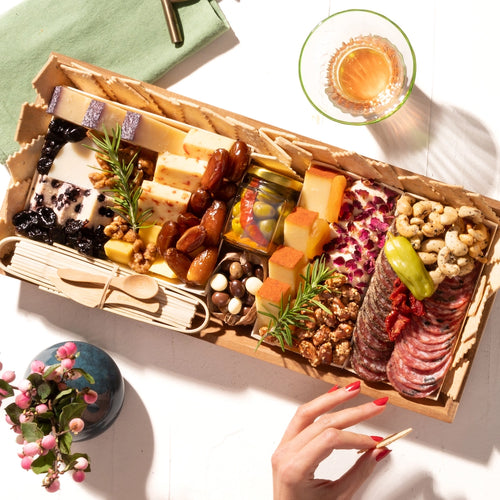


Creating a balanced charcuterie board involves more than just laying out an assortment of meats and cheeses. It's about crafting a harmonious palette of flavors, textures, and colors that complement each other and create a delightful sensory experience. To achieve this, one must consider the intensity and nature of each component. Mild cheeses pair well with bold, savory meats, while acidic or sweet accompaniments can balance out the fat content. The goal is to offer a variety of tastes that intrigue without overwhelming the palate, ensuring each bite is both unique and satisfying.
Meat and Cheese Pairings
Strategies for pairing various meats with soft and hard cheeses, including guidance on ratios and complementary combinations to achieve a balanced and appealing board.
Classic Charcuterie Meats
When creating a charcuterie board for entertaining, it's essential to start with a selection of high-quality charcuterie meats. Prosciutto, salami, and chorizo are not just traditional choices; they are pillars on which the art of charcuterie thrives. Starting with prosciutto, this thinly sliced dry-cured ham hails primarily from Italy and offers a melt-in-the-mouth texture that exquisitely balances sweet, nutty, and salty flavors. The choice of prosciutto also includes regional variations, such as Prosciutto di Parma or Prosciutto di San Daniele, each with subtle differences in taste and curing processes, influenced by regional climates and traditions.
Originating from various European traditions, salami comes in numerous forms, including Genoa salami, spiced with garlic and pepper, and Felino salami, known for its fine grind and sweet flavor. Chorizo, with its distinctive red color from pimentón (Spanish paprika), offers a smoky, spicy kick that can elevate the entire ensemble of a charcuterie board. Its texture ranges from soft and spreadable (chorizo fresco) to firm and sliceable (chorizo curado), offering versatility in presentation and enjoyment.

Pairing Soft Cheeses with Meats
Soft cheeses such as Brie and blue cheese offer creamy textures and dynamic flavors that are ideal for gourmet charcuterie pairings. Brie, with its buttery profile, matches well with the saltiness of prosciutto, creating a harmonious blend of soft and savory. Blue cheese, known for its pungent tang, can be paired with chorizo to balance the spice with its sharpness.
Hard Cheese Option
For those who prefer a firmer texture, hard cheeses like Gouda, aged Cheddar, and Manchego make excellent additions to any charcuterie tray. Aged Cheddar, with its deep, nutty essence, pairs wonderfully with salami, providing a satisfying counterbalance to the meat’s fattiness. Gouda offers a slightly sweet, caramel-like taste that complements the mildness of prosciutto. Manchego, with its fruity undertones, goes well with chorizo, enhancing the meat’s smoky flavor without overpowering it.
Finding the Right Meat-to-Cheese Ratio
A good rule of thumb is to serve equal amounts of meat and cheese, allowing guests to enjoy a variety of charcuterie board flavor combinations. However, the ratio can be adjusted based on the intensity of the selected meats and cheeses. For instance, stronger-flavored meats like chorizo may require a bit more cheese to balance the flavors, ensuring that no single taste overwhelms the others on the board.
Balancing Flavors and Textures
Know how to combine sweet, salty, crunchy, and savory elements to create a harmonious charcuterie board, exploring methods for mixing and matching different ingredients to enhance the overall tasting experience.
Adding Sweet Ingredients
Honey drizzled over cheeses like Brie or blue cheese infuses a delightful sweetness that complements their creamy textures. Figs, both fresh and dried, offer a juicy burst that pairs splendidly with salty meats like prosciutto. Dried fruits, such as apricots and raisins, add a chewy texture and a concentrated sweetness to the savory elements, creating a well-rounded taste experience.
Incorporating Salty Items
Olives and pickles are essential for adding a salty dimension to your charcuterie tray. Their briny flavors cut through the richness of the meats and cheeses, providing a palate-cleansing effect. Olives work well with any cheese but are particularly effective with soft cheeses, which absorb their saltiness, enhancing both profiles. Pickles, with their crisp texture and tangy flavor, offer a refreshing bite that can refresh the palate between tastings of richer, heavier flavors.
Incorporating Fruits, Nuts, and Crackers
The addition of fruits, nuts, and crackers to charcuterie boards highlights their roles in adding variety, texture, and flavor contrast to traditional meat and cheese selections. To introduce a satisfying crunch, nuts and crackers are indispensable on a charcuterie board. Almonds, walnuts, or pecans not only add texture but also a nutty flavor that complements both meats and cheeses. Crackers serve as a neutral base that can be topped with various combinations, allowing the flavors of the meats, cheeses, and condiments to shine through. This crunchy element is vital for balancing the softer textures typically found in cheese and some meats.
Creative Ways to Combine Flavors for Unique Charcuterie Ideas
It takes more than just combining components to make a charcuterie board unique—you also need to be a little creative in how you present them. Here's a guide to crafting a truly unique experience:
- Contrast Flavors: To elevate the ordinary charcuterie board, consider the power of flavor contrast. Pairing salty and sweet, such as prosciutto with cantaloupe or melon, offers a delightful surprise to the palate, balancing rich, savory meats with fresh, sweet bursts. Combining tangy blue cheese with a sweet, chewy honeycomb not only creates a complex taste profile but also encourages an adventurous eating experience. These contrasts help to break the monotony of similar flavors and invite a dynamic exploration of taste.
- Infuse Themes: Theming your charcuterie board can transform it from a simple appetizer to a themed culinary journey. For a touch of the Mediterranean, incorporate figs, a variety of olives, and chunks of feta into your arrangement. This not only brings the flavors of the region to your table but also sets a visual and palatal theme. Alternatively, for a cozier, rustic autumn vibe, select smoked meats, aged cheeses, and an assortment of nuts.
- Use Condiments: Including a variety of condiments such as mustard, horseradish, or jam enriches the interactive aspect of your charcuterie board. These small but impactful additions allow guests to customize each bite according to their taste preferences, leading to a playful exploration of different flavor combinations. Condiments add depth and can significantly alter the flavor profile of a piece, making each nibble a discovery. This not only enhances the gustatory pleasure but also makes the dining experience more engaging and personalized.
A well-crafted charcuterie board serves as a centerpiece that sparks conversation and delights the senses. By considering these elements, you ensure that your board is not just a collection of items, but a thoughtful composition that reflects creativity and care.
Charcuterie and Wine Pairing
Pairing charcuterie boards with wine is an art that can elevate any gathering, turning simple snacks into a sophisticated tasting experience. The right wine not only complements the flavors and textures of meats and cheeses but also enhances the enjoyment of every bite and sip. By understanding a few guiding principles and experimenting with classic combinations, you can create pairings that delight the palate and impress your guests.
- Match Intensity and Richness: The key to successful pairing is matching the intensity of the wine with the richness of the charcuterie. Bold, robust red wines like Cabernet Sauvignon or Syrah are best suited for spicy, flavorful meats such as chorizo or peppered salami. Lighter reds or whites can be overwhelmed by these strong flavors, so save them for milder selections.
- Balance Creamy Cheeses with Crisp Whites: Creamy cheeses like brie, camembert, or goat cheese are beautifully complemented by crisp, acidic white wines such as Sauvignon Blanc or unoaked Chardonnay. The acidity in these wines cuts through the richness of the cheese, cleansing the palate and allowing each bite to remain fresh and enjoyable.
- Utilize Sparkling and Rosé Wines for Versatility: Sparkling wines and dry rosés are incredibly versatile, pairing well with a wide range of charcuterie elements. Their effervescence and acidity cut through the saltiness of cured meats like prosciutto and balance the creaminess of soft cheeses, making them a crowd-pleasing choice for mixed boards.
- Enhance Sweet and Savory Contrasts: For a sweet and savory experience, combine pungent blue cheeses or aged Gouda with sweet wines like Riesling, Port, or even a late-harvest dessert wine. The sweetness in the wine balances the saltiness and intensity of the cheese, creating a harmonious and memorable pairing.
- Encourage Experimentation: While classic pairings are a great starting point, encourage guests to explore unexpected combinations. Sometimes, the most delightful matches are discovered by trying something new, such as pairing a spicy salami with a fruity Pinot Noir or matching a nutty manchego with a dry sherry. Provide a variety of wines and let guests find their own favorites.
By following these principles and offering a selection of wines that range from light and crisp to bold and sweet, you can craft a charcuterie and wine experience that is both educational and enjoyable. Remember, the best pairings are the ones that bring pleasure to your guests, so have fun experimenting and savoring the journey of taste together.

Presentation and Styling Tips
Arranging and styling a charcuterie board is an art that elevates the entire dining experience, transforming a simple spread into a visual centerpiece. By employing thoughtful techniques and creative layout ideas, you can make your board both inviting and memorable. Below are eight essential tips for crafting a charcuterie board that's as beautiful as it is delicious.
- Establish a Focal Point: Begin by choosing a star ingredient and placing it slightly off-center on your board. This draws the eye and sets the tone for the rest of the arrangement. Building outward from this anchor helps create a sense of movement and intentional design, making the board feel abundant without appearing cluttered.
- Layer Colors and Textures: Incorporate a wide range of colors by using a mix of fruits, vegetables, meats, and cheeses. Alternate between soft, creamy cheeses and hard, crumbly varieties, and add pops of color with berries, herbs, or edible flowers. This approach not only makes the board visually striking but also encourages guests to explore a variety of flavors and textures as they graze.
- Vary Heights and Shapes: Avoid a flat, monotonous look by introducing height and different shapes. Stack slices of cheese, stand breadsticks upright in a glass, or use small bowls for dips and spreads. Roll or fold meats into rosettes or ribbons, and cut cheeses into wedges, cubes, or use cookie cutters for fun shapes. This creates visual interest and keeps guests engaged as they sample from different sections.
- Cluster Ingredients in Odd Numbers: Group similar items in clusters of three, five, or seven. Odd-numbered groupings are naturally more appealing to the eye and create an organic, less rigid appearance. This technique also makes it easier for guests to identify different items and encourages a more relaxed, interactive grazing experience.
- Leave Breathing Room: Resist the temptation to overcrowd the board. Leave small gaps between clusters of ingredients to give the arrangement space to breathe. This not only enhances the overall look but also makes it easier for guests to serve themselves without disturbing the rest of the display.
- Use Small Vessels for Dips and Extras: Incorporate small bowls or ramekins for dips, spreads, olives, or nuts. Place these vessels in a triangle pattern to create visual balance and guide the flow of the arrangement. The use of containers also helps contain messier items and adds vertical dimension to the board.
- Incorporate Fresh Herbs and Edible Garnishes: Fresh herbs like rosemary, thyme, or basil can be used as natural dividers or decorative accents. Edible flowers and microgreens add elegance and a touch of whimsy. These garnishes not only enhance the board’s appearance but also contribute subtle aromas and flavors that elevate the overall experience.
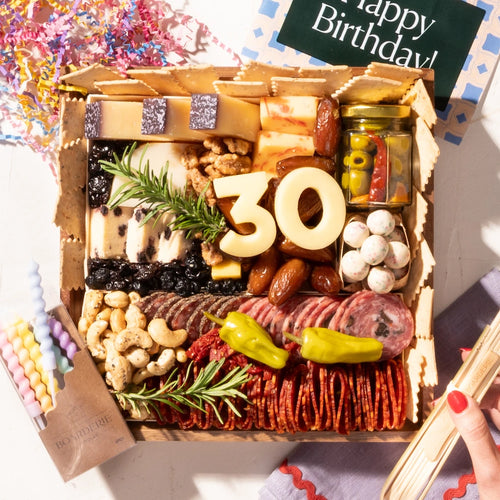
- Personalize with Themed Elements: Tailor your board to the occasion by incorporating seasonal produce, themed cookie-cutter shapes, or color-coordinated ingredients. For example, use star-shaped cheese for a festive board or autumnal fruits and nuts for a fall gathering. Personal touches make your presentation unique and memorable for guests.
By applying these presentation and styling techniques, your charcuterie board becomes more than just a collection of snacks. It transforms into a visual feast that sets the tone for your event. Attention to detail, creative arrangement, and thoughtful use of color and shape ensure your board will be as delightful to behold as it is to enjoy.
Seasonal Charcuterie Boards
Crafting a Fall Charcuterie Board
Embrace the essence of autumn by crafting a fall charcuterie board that captures the season's rich flavors and colors. Incorporating spiced nuts, such as cinnamon walnuts or pumpkin-spiced pecans, adds a warm, aromatic touch that complements the cool weather. Pair these with autumn fruits like sliced pears, apples, and figs to introduce a sweet and tart contrast that enhances the savory meats and cheeses. The use of seasonal items not only delights the palate but also creates a visually appealing display that echoes the beauty of the season.
Building a Festive Christmas Cheese Board
Adorn your board with cranberries for a pop of festive color and a hint of tartness that pairs well with rich cheeses. Integrating fresh herbs such as rosemary or thyme not only adds a burst of flavor but also contributes a delightful aroma and a touch of greenery that resembles holiday greenery. It serves as a centerpiece at any holiday gathering, inviting guests to indulge in the spirit of the season with each bite.
Incorporating Holiday Colors and Shapes
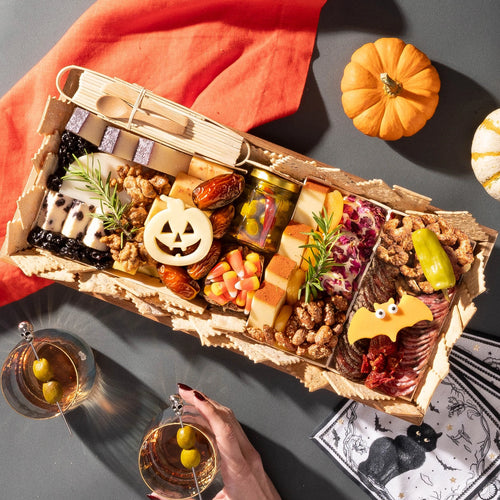
The presentation of your charcuterie spread can be as important as the flavors it offers. For themed gatherings like Valentine’s Day or Halloween, use cookie cutters to shape cheeses and meats into hearts or spooky figures. Add color-themed items like blackberries and radishes for a Halloween board, or red fruits and dark chocolates for Valentine’s. A thoughtful presentation engages the eyes and can make your offering a talking point amongst guests, enhancing the overall enjoyment of the meal.
Convenience and Gifting Options
Ideas for preparing, packaging, and delivering charcuterie boards, including tips for sending them as gifts or ordering pre-made versions for easy entertaining.
Delivery Charcuterie Board for Stress-Free Entertaining
When deciding to send a charcuterie board as a gift, consider utilizing charcuterie board delivery services. These services offer a range of options, from basic sets to fully customized boards, accommodating all tastes and dietary needs. For more discerning palates or specific dietary requirements, many companies also offer customized boards. These can range from vegetarian and vegan options to gluten-free or organic selections, ensuring that every guest can indulge without concern.
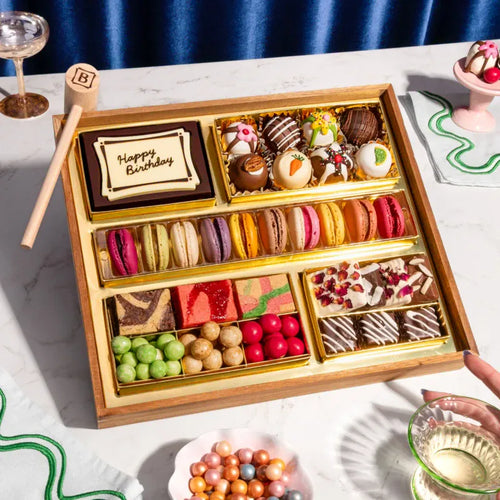
The benefits of using a charcuterie delivery service extend beyond simple convenience. By choosing a professional service, you ensure that each element of the charcuterie board is of the highest quality. Providers often source specialty meats and artisan cheeses from reputable suppliers, enhancing the overall flavor profile of the spread. Furthermore, these services often include options for pairing suggestions, such as wine or craft beer, which can enhance the tasting experience and introduce guests to new flavor combinations. For those looking to gift a charcuterie board, many services provide luxurious packaging options, including personalized messages, which can make the gift even more special.
Inclusive Charcuterie Board Options
To ensure your charcuterie board is welcoming to all guests, it’s important to thoughtfully accommodate dietary preferences and restrictions. Start by offering plant-based cheeses made from cashews, almonds, or soy, which provide creamy, tangy flavors reminiscent of traditional dairy cheeses. For protein, include vegan deli slices made from seitan, tofu, or legumes, and supplement with roasted chickpeas, nuts, or seeds for a satisfying crunch. Gluten-free guests will appreciate a selection of rice crackers, seed crisps, or slices of gluten-free baguette, while vegetable chips—such as beet, sweet potato, or kale—add both color and crunch. Fresh fruits and vegetables are naturally inclusive; arrange clusters of grapes, berries, sliced apples, cucumber, bell pepper, and cherry tomatoes to add brightness and variety. For dips, choose classics like hummus, guacamole, or baba ganoush, all of which are typically vegan and gluten-free. Labeling each item on the board helps guests identify safe options and feel considered. By curating a diverse array of flavors and textures that cater to different needs, your charcuterie board becomes more than just a centerpiece—it’s a gesture of hospitality that ensures everyone can indulge and feel included, regardless of dietary restrictions.
Tips for Packaging and Delivering
Ensuring that a charcuterie board gift reaches its destination in pristine condition requires careful attention to packaging and handling. Here's how to make sure your charcuterie gift is both impressive and intact upon arrival:
- Choose the Right Materials: For transporting a charcuterie tray, the choice of packaging materials can make a significant difference in maintaining the integrity and appearance of the food. Opt for a sturdy wooden or hard plastic board as the base; these materials provide a solid foundation that helps prevent items from shifting during transit. Wrap the entire board tightly in cling film to secure the arrangement and to create a barrier against external contaminants. This method also helps to maintain the visual appeal, ensuring that the presentation remains as intended when it reaches the recipient.
- Secure Loose Items: To prevent smaller, more mobile items such as olives, nuts, or pickles from rolling around and disrupting the careful arrangement of your charcuterie board, consider placing them in small bowls or securely wrapped parcels. This not only keeps them in place but also adds an element of surprise and neatness to the presentation. By securing these items, you also minimize the risk of them becoming a cause of mess or contamination for other components of the tray.
- Temperature Control: Charcuterie trays often contain perishable items such as cheeses and cured meats, which are sensitive to temperature changes. If the journey to the recipient’s location is prolonged or involves travel through warmer climates, incorporating ice packs into your packaging is crucial. Place these packs strategically around the perishable items within an insulated bag or container to maintain a consistently cool environment, thus preventing spoilage and ensuring the food remains fresh and safe to consume upon arrival.
- Labeling: Proper labeling is crucial for ensuring that the charcuterie tray is handled correctly during transit. Mark the package as 'Perishable' to alert handlers of the need for careful and prompt delivery. Additionally, indicate which side of the package should remain upright. This helps prevent the tray from being flipped or handled roughly, which could disarrange or damage the carefully curated selection of items.
- Delivery Timing: When choosing a delivery service for a charcuterie tray, it's important to select one that offers specific time slots for delivery. This ensures that the tray does not sit unattended for long periods, which could lead to potential spoilage or damage, especially in uncontrolled climate conditions. Timely delivery is key to maintaining the freshness and quality of the food, making the gift enjoyable and impressive as intended.
By following these guidelines, you can significantly enhance the experience of sending a gourmet charcuterie tray as a gift, ensuring that it arrives in excellent condition and is received with the admiration it deserves.

The true magic of a charcuterie board lies not just in its flavors but also in its ability to bring people together. A well-assembled charcuterie tray acts as a centerpiece that invites conversation and communal dining. As you apply the tips and techniques shared here, consider each gathering an opportunity to refine your selections and presentation style. With every board you prepare, you gain more insight into what works best for your guests and for the ambiance you wish to create. Elevate your next gathering with beautifully curated artisan boards, and order your gourmet charcuterie delivery today at Boarderie.com.
