
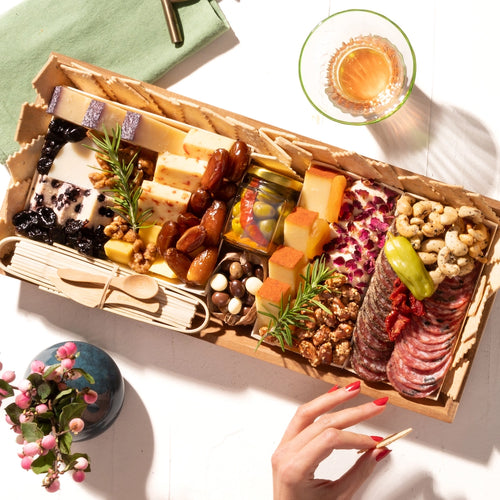
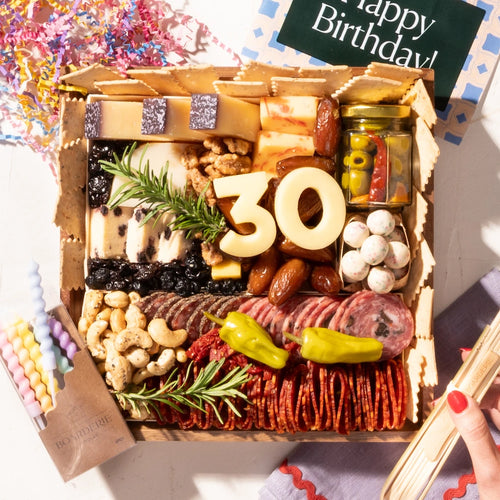
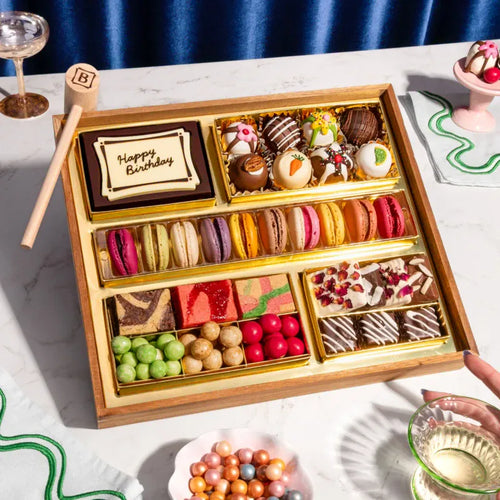
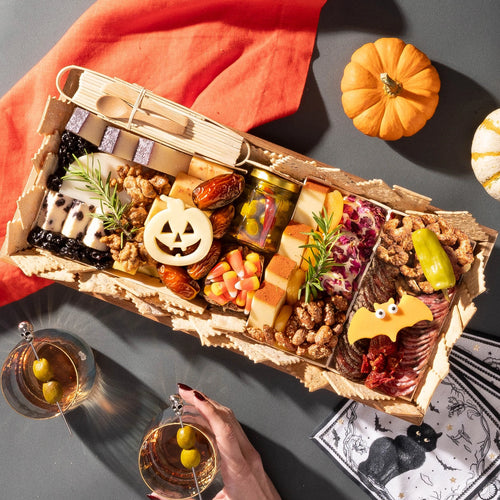


A charcuterie board is more than just a platter of snacks; it's a curated selection of tastes and textures that blend harmoniously to delight your guests. Building a charcuterie board involves selecting a diverse range of high-quality, flavorful ingredients that cater to various palates. This includes a selection of cured meats, various types of cheeses, fruits, nuts, and accompaniments such as crackers and spreads. Each component plays a crucial role in creating the perfect balance and ensuring your board is not only delicious but also visually appealing.
Charcuterie Board Checklist
Types of Meats
Cured meats are the cornerstone of any traditional charcuterie board, offering a spectrum of flavors, textures, and visual appeal that set the tone for the entire spread. When selecting meats, it’s important to aim for variety, not only in taste but also in origin, preparation method, and presentation. The most classic charcuterie meats include prosciutto, salami, soppressata, coppa (capicola), bresaola, chorizo, and mortadella. Each brings its own distinct character to the board. Prosciutto, a dry-cured Italian ham, is prized for its silky texture and subtly sweet, savory flavor. It is typically sliced paper-thin, allowing its delicate qualities to shine and making it ideal for draping or folding into attractive ribbons. Salami, on the other hand, is a broad category containing cured sausages made from ground pork or beef, seasoned with spices, garlic, and sometimes wine. Genoa salami is a popular choice, known for its mild, garlicky flavor, while soppressata offers a more robust, peppery bite. Spanish chorizo introduces a smoky, spicy element, thanks to its generous use of paprika, and is best served sliced into thin rounds.
For additional depth, consider including coppa, which is made from pork shoulder and delivers a tender, marbled texture with a rich, savory taste. Bresaola, an air-dried beef from northern Italy, offers a lean, slightly tangy option that is both elegant and flavorful, an excellent choice for guests who may not eat pork. Mortadella, with its smooth, creamy texture and subtle seasoning, can be sliced thin or cubed for variety.
Quality and sourcing are also key considerations. Choose artisanal or high-quality brands whenever possible, as they often employ traditional curing methods and utilize premium cuts of meat, resulting in superior flavor and texture. Look for meats that are free from excessive additives or artificial preservatives. For those seeking healthier or more ethical options, uncured meats preserved with natural ingredients, or products labeled “certified humane” or “raised with care,” are increasingly available. When preparing the meats for your board, slice them just before serving to preserve their freshness and aroma. Arrange slices in overlapping layers, gentle folds, or rolled shapes to add visual interest and make them easy for guests to pick up. For added flair, try creating salami rosettes or prosciutto ribbons, which not only look appealing but also make portioning effortless.
Consider dietary restrictions and preferences. Offering a variety of meats, including pork, beef, and poultry-based options, ensures that all guests can participate. If serving a large group, display pork-free or vegetarian alternatives separately to avoid cross-contamination.

Types of Cheeses
Selecting cheeses for a charcuterie board is both an art and a science, as the right assortment can elevate the entire experience by offering a spectrum of flavors, textures, and visual appeal. When curating your cheese selection, aim for diversity in milk type, firmness, and taste profile to ensure there is something for every palate. Begin by including at least three to five cheeses, each representing a distinct category. For a classic approach, choose a hard cheese such as aged cheddar, Manchego, or Gouda. These cheeses are firm, often nutty or sharp in flavor, and easy to slice into cubes, triangles, or thin batons—making them ideal for guests to pick up and pair with meats or fruit. Next, add a soft or bloomy rind cheese, such as Brie or Camembert. Their creamy interiors and edible rinds provide a luxurious, spreadable texture that pairs wonderfully with crisp crackers or slices of baguette. Present these cheeses as small wheels or wedges, and consider scoring the rind or pre-slicing to encourage guests to dive in without hesitation.
To introduce a bold and tangy element, include a blue cheese such as Gorgonzola, Roquefort, or Stilton. These cheeses are known for their marbled blue veins and piquant, sometimes salty flavors. Blue cheeses can be crumbled or served as small wedges, and they shine when paired with sweet accompaniments. For a fresh and tangy contrast, add a goat cheese (chèvre) or a young feta. These cheeses are bright, slightly acidic, and often come in logs or blocks that can be sliced into rounds or crumbled over the board. For added interest, try rolling goat cheese in fresh herbs, crushed nuts, or dried fruit before placing it on the board.
When preparing your cheeses, consider both ease of serving and aesthetic appeal. Hard cheeses should be pre-sliced or cubed, while soft cheeses can be left whole with a dedicated spreader or small knife. For semi-soft cheeses like Havarti, Fontina, or young Asiago, slice into thin rectangles or batons to highlight their supple texture. Mixing cow, goat, and sheep’s milk cheeses not only adds flavor variety but also accommodates different dietary preferences and tolerances. Arrange cheeses with space between each type, using small signs or markers if desired to help guests identify them. Allow cheeses to come to room temperature before serving. This enhances their flavors and aromas, making each bite more enjoyable.
Accompaniments and Accoutrements
To elevate your charcuterie board, include a thoughtful selection of accompaniments and accoutrements that complement the meats and cheeses. Condiments like grainy mustard, honey, or fruit preserves add sweet, spicy, or tangy notes that enhance each bite. Spreads such as fig jam or sour cherry chèvre offer unique flavor pairings, while pickled items, like cornichons, gherkins, or marinated artichokes, bring a welcome acidity that cuts through rich, fatty textures. Olives in a variety of preparations, from briny Castelvetrano to spicy marinated blends, add depth and complexity. These flavorful additions encourage guests to experiment, creating endless combinations and a more memorable tasting experience.
Fresh and Dried Fruits
No charcuterie board is complete without the inclusion of both fresh and dried fruits. Fresh fruits like grapes and berries offer a juicy, refreshing bite that cleanses the palate between sampling the richer items. Dried fruits, such as apricots and figs, provide a chewy texture and a concentrated sweetness that complements the savory notes of meats and cheeses. These fruits not only add a burst of color and freshness to your platter but also cater to a wider range of tastes, ensuring that there's something for everyone to enjoy.
Nuts
Including a selection of nuts like almonds, walnuts, and pistachios adds a crunchy texture and nutty flavors that contrast beautifully with the softer components of your board. Almonds are mildly sweet and very versatile, walnuts have a rich earthiness that pairs well with stronger cheeses, and pistachios offer a slightly sweet, buttery flavor that stands out against the saltiness of cured meats.
Carbohydrate Options
Include breads, crackers, and other carbohydrate-based items that serve as vehicles for meats and cheeses. These carbohydrate-based items are essential components of any well-rounded charcuterie board, serving as perfect vehicles for enjoying the array of meats and cheeses on offer. Including a variety of options, such as thinly sliced baguette, rustic sourdough, crisp crostini, and an assortment of crackers, ensures there’s something for every palate and dietary need. Neutral-flavored crackers like water crackers or wafer-thin flatbreads allow the flavors of cheeses and cured meats to shine, while heartier choices like multi-grain or rye crackers add texture and depth. Gluten-free options, such as rice crackers, can be included to accommodate guests with dietary restrictions. Breadsticks or grissini provide a crunchy, elegant touch and are ideal for dipping or wrapping with prosciutto. By thoughtfully selecting a mix of carbohydrate bases, you create more opportunities for guests to craft their own delicious combinations, enhancing both the flavor and enjoyment of your charcuterie board.
Board and Utensil Selection
Choosing the right board and utensils is essential for both the functionality and visual appeal of your charcuterie board. Boards come in a variety of materials, each offering unique benefits. Wooden boards are a classic choice, offering a rustic charm and a gentle surface for knives. In contrast, marble and slate boards provide a sleek look and help keep ingredients cool, making them ideal for serving cheeses and meats. When it comes to utensils, a well-equipped charcuterie setup includes several types of cheese knives, such as pronged knives for semi-hard cheeses, spade knives for breaking apart hard cheeses, and flat knives for slicing semi-soft varieties. Soft cheese knives with holes prevent sticking, and cheese forks assist in serving. Additionally, spreaders are perfect for creamy cheeses and pâtés, while small tongs or forks make it easy for guests to select meats and accompaniments hygienically. Including ramekins, small bowls, and honey dippers further enhances serving convenience and presentation.
Sending Charcuterie Boards as Gifts
Services for Curated Gifts
Selecting a service to send a charcuterie board gift involves more than just choosing delicious components; it’s about finding providers who understand the art of curation and presentation. Many online services specialize in assembling gourmet charcuterie boards that cater to a variety of tastes and occasions. These companies meticulously select the highest-quality meats, cheeses, and accompaniments, ensuring that each element complements the others perfectly.
Tips for Personalizing Gifts
Personalizing a charcuterie board gift adds a special touch that can greatly enhance the recipient's appreciation. By considering their unique tastes and the occasion, you can create a thoughtful and memorable gift. Here are tips to guide you:
- Know the Recipient’s Preferences: Understanding the recipient's food preferences is crucial in personalizing a charcuterie board. Start by selecting their favorite meats, such as prosciutto, salami, or chorizo, and complement these with a variety of cheeses ranging from soft brie to sharp cheddar. Don’t forget to include unique must-have charcuterie items like honeycombs, nuts, or artisanal jams that they might enjoy.
- Include a Personal Note: Adding a handwritten note to the charcuterie board can significantly increase its emotional value. Write a message that expresses your thoughts about the occasion, whether it’s a birthday, anniversary, or a simple gesture of appreciation. This personal touch goes beyond the flavors of the food and taps into the emotions of the recipient, making the gift a cherished memory.
- Customize the Packaging: The presentation of your charcuterie board gift can be as important as its contents. Choose packaging that reflects the style of the occasion or matches the recipient’s taste. For a luxurious feel, opt for elegant boxes with sophisticated designs, or a more rustic look, choose simple baskets or wooden crates. Customizing the packaging to suit the theme of the gift not only enhances the aesthetic appeal but also adds a level of personalization that complements the handpicked contents of the board.
When gifting a charcuterie board, these personalized touches are what make it truly special. Each element, from the selection of foods to the style of packaging, shows care and consideration, ensuring that the gift is as delightful to receive as it is to give.

Including Additional Items: Wine, Specialty Chocolates
When you choose to send charcuterie boards, including additional items like wine and specialty chocolates, you can transform a simple gift into an exquisite feast. For instance, a light, bubbly Prosecco goes beautifully with soft cheeses, while a robust red wine can stand up to the bold flavors of aged cheeses and cured meats. Specialty chocolates add a luxurious finish to the meal, offering a sweet contrast to the savory notes of the board.
Ordering and Sending A Cheese Board Online
The convenience of being able to order charcuterie boards online has made it easier than ever for charcuterie board gifts to be sent across distances. Many providers offer a variety of options from basic to premium boards, catering to different budgets and preferences. The ordering process is typically straightforward, allowing you to select a delivery date and include any special instructions or messages.
Popular Online Charcuterie Board Services
Reviews of Top Charcuterie Board Providers
Exploring reviews of top online charcuterie boards can provide invaluable insights when choosing the best service for sending a gift or hosting an event. These reviews often highlight the quality of the ingredients, the reliability of delivery services, and the responsiveness of customer support. Positive reviews tend to commend the freshness of the charcuterie board ingredients, the aesthetic appeal of the presentation, and the punctuality of the delivery, making them a useful resource for prospective buyers.
Quality and Variety of Ingredients
Providers that source artisanal meats and cheeses from renowned producers tend to receive higher satisfaction ratings. Such boards feature a curated selection of unique flavors from around the world, including organic and locally sourced options, ensuring that each board offers a gastronomic adventure. The variety in offerings often includes vegan and gluten-free options, accommodating a wide range of dietary preferences and making these services appealing to a diverse clientele.
Presentation and Packaging
The presentation and packaging of a charcuterie board can significantly enhance its appeal as a gift. A well-designed package not only protects the contents but also sets the stage for a delightful unboxing experience. Consider these elements for an ideal presentation:
- Use of Sustainable Materials: Choosing sustainable materials for the packaging of a charcuterie board shows care not only for the recipient but also for the environment. Opt for biodegradable, recycled, or reusable materials that do not compromise on aesthetics. For instance, bamboo or recycled paper boxes can be both chic and eco-friendly. This thoughtful selection helps reduce the environmental impact while still providing a protective and appealing presentation that recipients can appreciate and feel good about.
- Customizable Themes: Whether it’s festive wrapping paper during the holiday season, floral patterns for spring celebrations, or sleek, minimalist designs for corporate gifts, the ability to personalize the packaging makes the charcuterie board feel even more special. Offering a range of themes caters to diverse tastes and occasions, enhancing the overall gifting experience.
- Secure Arrangement: Ensuring that each item on the charcuterie board is securely arranged is crucial for maintaining its aesthetic integrity upon arrival. Use tailored inserts or dividers that keep items like cheeses, meats, and accompaniments from moving around during transport. This attention to detail not only protects the delicate items but also ensures that the presentation remains as intended, making a great first impression when the recipient opens their gift.
The thoughtful consideration of presentation and packaging transforms a simple charcuterie board into an extraordinary gift. By focusing on sustainable materials, customizable themes, and secure arrangement, the gift becomes a memorable experience that delights the senses and conveys a deep sense of thoughtfulness and care from the giver to the receiver.
Arrangement and Presentation
Learn methods and tips for arranging ingredients on the board to achieve an appealing and practical presentation.
Best Ways to Slice and Display Meats and Cheeses
The art of slicing and displaying meats and cheeses can transform a simple charcuterie board into a centerpiece of your gathering. Begin by slicing cured meats like prosciutto and salami into thin, almost translucent slices that allow their flavors to be savored without overwhelming the palate. Cheeses should be cut according to their type and texture: hard cheeses into small cubes or thin slices for easy nibbling, and soft cheeses left in wedges with a knife for spreading. Arrange these elements in a flowing, organic manner on the board, creating visual interest and making it easy for guests to access their favorites without disruption.
Using Bowls and Ramekins for Dips and Spreads
Incorporating small bowls or ramekins into your charcuterie board serves a practical and aesthetic function. Beyond their functional benefits, selecting bowls that match or complement the style and material of the board—whether sleek ceramic, rustic wood, or elegant glass—adds a layer of visual interest and sophistication. The choice of these containers can reflect the theme of the gathering or the personal style of the host, turning a simple board into a curated piece of art that invites admiration and enjoyment. Placing a bowl of creamy hummus or spicy mustard near sliced bread and meats encourages delightful combinations, while a dish of cornichons or marinated artichokes near cheeses offers a refreshing contrast that enhances the tasting experience.
Emphasizing Visual Appeal
Play with colors and textures by adding vibrant fruits like berries or figs next to contrasting items like dark chocolates or pale cheeses. Utilize fresh herbs like rosemary or thyme not only for their aroma but also as decorative accents that introduce a fresh pop of green, enhancing the natural beauty of your essential charcuterie ingredients. The goal is to create a board that is as delightful to look at as it is to eat, drawing guests in and making the board the focal point of your social gathering.
Keeping the Board Tidy and Organized
As the board is gradually enjoyed, keep an eye on its arrangement. Replenish items that are running low and tidy up any areas that become disheveled. This ongoing maintenance ensures that the board remains appealing and accessible from the first guest to the last, keeping everyone satisfied and impressed by your hosting finesse. By managing the board actively, you demonstrate attention to detail and care for your guests' experience, making the gathering memorable for all the right reasons.

For a truly memorable charcuterie board, attention to detail is key. Tailor your selection to the preferences of your guests, and don’t hesitate to experiment with unique items that might add an unexpected touch. Ensure that every piece on your board is sliced and presented in a way that invites guests to try different combinations. Keep the board well-maintained throughout the event, replenishing items as needed to keep the display lush and inviting. Lastly, consider the option to send a cheese board as a gift, choosing services that offer quality, presentation, and reliable delivery to share this delightful experience with others, near or far. Elevate your next gathering or send a gourmet gift with beautifully curated charcuterie boards from Boarderie.
