


Charcuterie boards have evolved from being merely a convenient way to serve snacks to becoming a statement of style, hospitality, and culinary appreciation. Mastering the etiquette of serving sizes, portions, and presentation ensures that every guest feels both indulged and respected, while preserving the visual harmony that makes these spreads so captivating. From understanding how much meat and cheese to allocate per person to arranging components with thoughtful spacing, proper charcuterie etiquette transforms a casual gathering into an elegant tasting experience.

Understanding Charcuterie Etiquette
Importance of Etiquette in Charcuterie
The art of charcuterie involves more than just selecting delicious items; it requires a keen understanding of etiquette to enhance the dining experience. Etiquette in charcuterie ensures that guests feel comfortable and appreciated, and it helps to maintain a sense of order and cleanliness at the table. When each component is thoughtfully arranged and served, it reflects a host's attention to detail and care for their guests. One key aspect of charcuterie etiquette is serving size and portion control. Proper portioning allows guests to sample a variety of flavors without overwhelming their palate or the board. This balance between abundance and moderation is essential for maintaining the board's aesthetic appeal and ensuring all guests have the opportunity to enjoy each selection. As a guideline, consider offering 2-3 ounces of meat and cheese per person. Such meticulous planning demonstrates respect for both the food and the guests, elevating the dining experience.
Historical Context of Charcuterie Boards
Charcuterie, a French term, originally referred to shops specializing in prepared meat products such as pâtés, terrines, and sausages. The concept dates back to the 15th century when preserving meats was a necessity. Over time, these practices evolved into an art form. The presentation of smoked and cured meats alongside complementary accompaniments became a celebration of culinary craftsmanship. Today’s charcuterie boards honor this rich history by showcasing a variety of textures, flavors, and colors, inviting diners to experience a tapestry of tastes.
Modern charcuterie boards incorporate global influences while maintaining a nod to their French origins. The inclusion of international cheeses, artisanal breads, and exotic fruits exemplifies how cultural exchanges have enriched the traditional charcuterie. This evolution highlights the dynamic nature of food as a cultural bridge, connecting people through shared experiences and diverse culinary practices. The historical context of charcuterie underscores its timeless appeal and adaptability across different cultures and eras.
Common Mistakes to Avoid
When crafting a charcuterie board, several common mistakes can detract from the overall experience. One frequent error is overcrowding the board. While it might be tempting to include every available option, overcrowding can lead to a cluttered appearance and make it difficult for guests to access individual items. Instead, aim for a balanced selection that allows each component to shine. Leave space between items for guests to navigate comfortably, enhancing both functionality and presentation. Another common pitfall is neglecting to provide appropriate utensils. Using the correct tools—such as cheese knives, tongs, and small forks—ensures that guests can serve themselves without compromising the integrity of the board. Mixing utensils between different items can lead to cross-contamination of flavors, which may not be appealing to all guests. Thoughtful consideration of these details not only preserves the board's aesthetic but also respects the diverse tastes and preferences of those partaking.
Proper Cutting Techniques for Surface-Ripened Cheeses
Surface-ripened cheeses, such as Brie, Camembert, and similar bloomy rind varieties, bring a luxurious texture and complex flavor to any charcuterie board. However, enjoying these cheeses to their fullest requires more than just selecting a quality wheel—it demands proper cutting technique to preserve their flavor, integrity, and the etiquette of shared enjoyment. These cheeses ripen from the outside in, meaning their creamy interiors and flavorful rinds offer distinct taste experiences. The center, often referred to as the “nose,” is typically the softest and most delicate part, while the outer edge near the rind tends to be firmer and more robust in flavor.
When it comes to slicing surface-ripened cheeses, the most important rule is to cut from the tip (nose) to the rind. Imagine slicing a cake: each wedge should include both the center and the outer edge, ensuring every guest receives a balanced portion of texture and taste. Avoid the common mistake of cutting off just the tip or “nose”—doing so deprives subsequent guests of the cheese’s creamiest, most flavorful section and disrupts the integrity of the wheel. Instead, use a sharp, thin-bladed knife or a wire cheese cutter to make clean, even cuts. Begin at the center point, slicing outward toward the rind, and repeat this process to create evenly sized wedges. This approach guarantees that each slice contains a representative sample of both the soft interior and the flavorful rind, delivering the full spectrum of the cheese’s character.
Etiquette also dictates that you avoid scraping off just the creamy center or removing the rind entirely. Both components are meant to be enjoyed together, as the rind provides a contrasting texture and often carries subtle earthy flavors that complement the rich interior. For cheeses presented in wedges rather than whole wheels, continue the same method: slice lengthwise from the tip to the base, maintaining the shape and ensuring fair distribution. If the cheese is particularly runny or soft, a wire cheese cutter or a knife dipped in warm water can help achieve neat, attractive slices without sticking.
Cutting Techniques for Other Cheeses
While surface-ripened cheeses require special care, the etiquette of cutting other types of cheeses on a charcuterie board is equally important for ensuring that every guest enjoys the full spectrum of flavors and textures. Hard cheeses, such as aged Parmesan or Pecorino, are often too firm to slice cleanly. Instead, they should be broken into rustic chunks using a sharp, pointed cheese knife or a small cheese chisel. This approach preserves the natural crystalline structure of the cheese and allows guests to savor its robust, nutty notes in bite-sized pieces. Semi-hard cheeses, like Comté or Gruyère, benefit from a different technique. Begin by cutting the cheese into manageable wedges, then slice each wedge from the rind toward the center, ensuring that every piece contains a bit of the outer edge and the heart of the cheese. This method provides a balanced taste and texture in each serving.
Determining Charcuterie Serving Sizes
Guidelines for Meat and Cheese Portions
Creating the perfect charcuterie board rests on understanding the ideal balance of meats and cheeses. Allocate approximately 2-3 ounces of meat and 1-2 ounces of cheese per person. This rule of thumb ensures that each guest can enjoy a diverse range of flavors without feeling overwhelmed. To achieve an optimal selection, consider incorporating a mix of textures and tastes. For instance, pair a creamy brie with a spicy chorizo or a sharp cheddar with a delicate prosciutto. This variety not only satisfies different palates but also elevates the overall experience. When planning your charcuterie board with prosciutto, consider the source of your meats and cheeses. Opt for high-quality, artisanal options that reflect the season and your location. This focus on quality enhances the board's appeal and supports local producers. Additionally, be mindful of dietary restrictions, offering vegetarian or gluten-free options when necessary.
For intimate gatherings or wine tastings, smaller portions may suffice, allowing guests to enjoy the board as a complement to the main event. In these cases, prioritize quality over quantity, selecting premium charcuterie platter ingredients that make a lasting impression. Conversely, at larger parties or events where the charcuterie board serves as a primary food source, consider increasing the portion sizes to 5-6 ounces of meat and 3-4 ounces of cheese per guest. This adjustment ensures that everyone leaves satiated. Consider the broader context of the event when determining portion sizes. A casual picnic in the park might call for a more laid-back approach, with simple pairings and easy-to-eat components. On the other hand, a formal dinner party might demand intricate arrangements and gourmet selections.
Tips for Calculating Serving Sizes
Crafting an exceptional charcuterie board is an art that transcends mere assembly; it’s a deliberate process that harmonizes flavors, textures, and visual appeal to create an unforgettable culinary experience. By following these guidelines, you can elevate your charcuterie presentation from ordinary to extraordinary, delighting your guests and showcasing your sophisticated palate.
-
Assess Guest Preferences: Begin by accurately assessing your guest count and their culinary inclinations. If your attendees favor adventurous tastes, prioritize strong cheeses and artisan salamis; for a more conventional crowd, mild options might be better received. Also, factor in the event's duration; a longer gathering necessitates a more generous supply of items to keep guests satiated throughout. Understanding these dynamics early on will prevent over- or under-preparation, ensuring a balanced and appealing spread that caters specifically to your audience.
-
Develop a Checklist: To streamline your preparation, develop a comprehensive checklist of all necessary charcuterie elements. Include categories such as cured meats, a diverse selection of cheeses, and essential accompaniments like various nuts, seasonal fruits, and an assortment of crackers and breads. This systematic approach ensures that no crucial component is overlooked, helping you maintain organization and focus. A well-structured list acts as a blueprint, simplifying the complex task of curating a multi-faceted board and ensuring all bases are covered.
-
Envision Board Arrangement: Envision the final arrangement of your charcuterie board before you begin placing items. This mental visualization allows you to anticipate potential challenges such as overcrowded sections or empty spaces, enabling you to make adjustments proactively. Consider the flow and balance of the board, ensuring a visually appealing layout that encourages guests to explore. Thinking through the presentation beforehand helps you create a harmonious and inviting display, maximizing both aesthetic appeal and practical accessibility for your guests.
-
Prioritize Board Variety: Select a diverse range of options to cater to various palates and dietary preferences. Include a range of textures, from creamy cheeses to crunchy nuts, and a spectrum of flavors, from savory meats to sweet fruits. Offer gluten-free cracker options and dairy-free alternatives if needed. A well-rounded board demonstrates an understanding of inclusive hospitality and elevates the overall experience, ensuring every guest finds something delightful to enjoy. This thoughtful curation speaks volumes about your attention to detail and dedication to culinary excellence.
Each deliberate decision, from understanding your guests' desires to the final artistic flourish, contributes to a cohesive and memorable presentation. The meticulous planning ensures not only a feast for the eyes but also a delightful culinary journey for all who partake. Your charcuterie board will stand as a testament to your refined taste and commitment to creating truly exceptional experiences.
Selecting Charcuterie Meats and Cheeses
Popular Charcuterie Meats
When crafting a charcuterie board, selecting the right meats is crucial to achieving a balance of flavors and textures. Traditional choices often include cured meats like prosciutto, salami, and chorizo, which each bring unique qualities to the table. Prosciutto is known for its delicate, silky texture and subtle sweetness, making it an ideal match for creamy cheeses. Salami offers a robust flavor profile with a hint of spice, providing a satisfying contrast against milder board components. Chorizo, with its smoky and spicy notes, can elevate the complexity of your board and is particularly well-suited for pairing with bold, aged cheeses. According to a study by the Specialty Food Association, these meats remain top choices due to their versatility and widespread appeal.
Experimenting with lesser-known meats can also enhance your charcuterie experience. Bresaola, for example, is an air-dried beef that adds a tender, slightly sweet element, while soppressata introduces a peppery kick that can excite the palate. Incorporating a variety of meats ensures a dynamic board that caters to a range of tastes and preferences. Consider the origin of these meats as well, since regional specialties often bring distinctive flavors and stories to your presentation.
Recommended Cheeses for a Balanced Board
Assembling an exceptional charcuterie board begins with thoughtful cheese selection, aiming for a symphony of textures and flavors. From the foundational choice of cheese types to the nuanced inclusion of various milk sources and strategic flavor pairings, each tip is designed to elevate your board from a simple arrangement to a true culinary experience.
-
Diverse Cheese Textures: A well-curated charcuterie board benefits immensely from a mix of cheese textures. Hard cheeses, such as aged cheddar or Parmesan, provide a satisfying sharpness and a crumbly mouthfeel, making them ideal partners for sweet elements like honey or fruit preserves. In contrast, soft cheeses like Brie or Camembert offer a creamy, luxurious experience, perfect for spreading on crusty bread or artisanal crackers. Introducing a blue cheese, with its distinctive tangy and pungent notes, adds a bold dimension and a fascinating textural contrast, ensuring there's something to intrigue every guest's preference and enhance the overall tactile experience of the board.
-
Variety of Milk Types: Beyond texture, incorporating cheeses made from different milk sources significantly expands the flavor spectrum of your board. Cow's milk cheeses, often creamy and mild, form a foundational base. Goat cheese, celebrated for its bright, tangy, and sometimes earthy undertones, introduces a refreshing counterpoint that harmonizes with both sweet and savory accompaniments. Sheep's milk cheeses, typically characterized by their nutty and richer profiles, add a depth of flavor that can be both familiar and exotic. This thoughtful inclusion of various milk types not only diversifies the taste experience but also subtly educates guests on the nuances of cheesemaking.
-
Strategic Flavor Pairings: The true artistry of a charcuterie board lies in its ability to create harmonious flavor pairings. Consider how each cheese interacts with the other elements on your board. For instance, the sharpness of aged cheddar beautifully cuts through the richness of cured meats and complements the sweetness of fig jam. Soft cheeses like Brie can be enhanced by the crunch of nuts or the tartness of berries. Blue cheeses, with their robust character, stand up well to strong accompaniments like dark chocolate or a drizzle of balsamic glaze. Thinking about these complementary flavors elevates the entire tasting journey for your guests.
By meticulously considering these five elements, you are well on your way to assembling a charcuterie board that is not only visually stunning but also a true celebration of diverse and delicious cheeses. This approach ensures a memorable culinary adventure for everyone who gathers around your table.

Crafting the Perfect Charcuterie Board Layout
Incorporating Complementary Ingredients
Consider adding a selection of fruits, nuts, and condiments to elevate the flavors of the meats and cheeses. Fresh fruits like grapes, figs, or slices of apple can provide a refreshing contrast to the richness of the meats. Nuts such as almonds or walnuts add a crunchy texture, enhancing the overall sensory experience. Condiments like grainy mustard, honey, or a tangy chutney can introduce new flavor dimensions.
Visual Presentation Tips
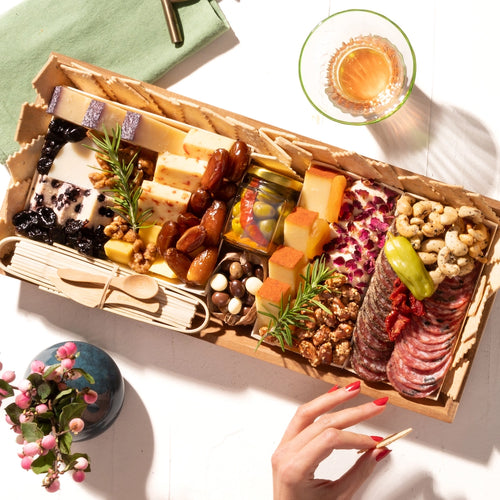
The visual presentation of your charcuterie board can significantly impact guests' perceptions of the meal. Choose a board or platter that complements the style and theme of your gathering. Wooden boards provide a rustic, traditional look, while slate or marble offers a more contemporary aesthetic. Consider the color palette of the ingredients as well, aiming for a balance of hues that is both appealing and inviting.
Layering ingredients at different heights adds depth to the presentation. Use small dishes or ramekins to elevate certain elements like olives or dips. Incorporate edible garnishes such as rosemary sprigs or edible flowers to add a touch of elegance and color.
CreativeMeat and Cheese Tray Ideas
Seasonal and Thematic Boards
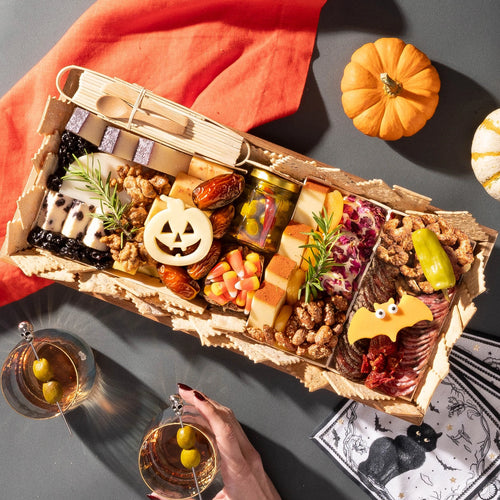
Creating a charcuterie board that aligns with the seasons or specific themes can elevate the dining experience. In the fall, consider incorporating rich autumnal elements like spiced nuts, dried cranberries, and pumpkin-flavored cheeses. These elements pair beautifully with meats like prosciutto or salami, providing a warm and inviting presentation. For a spring-themed board, opt for fresh fruit such as strawberries and apricots paired with lighter cheeses like goat or feta, which complement cured meats like bresaola or turkey. Thematic boards are also a hit during holidays or events; a board for a Halloween gathering might include dark chocolate, candied pecans, and a variety of aged cheeses for a mysterious and indulgent feel.
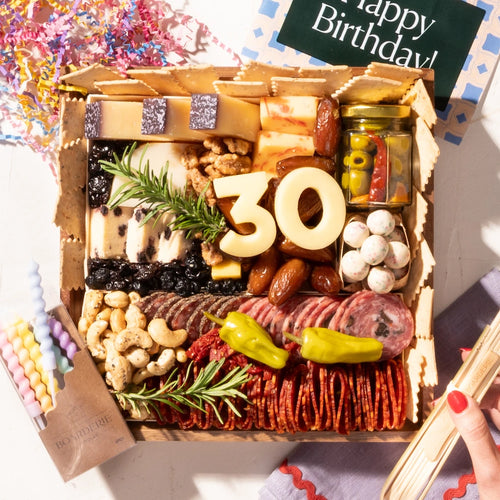
When crafting a thematic board, color coordination and texture variety are key. The visual appeal is as important as taste. Use edible flowers for a splash of color in a springboard or rosemary sprigs during winter holidays for a festive touch. Incorporating elements like small decorative pumpkins or edible gold leaf can transform a simple charcuterie board into a conversation piece. Themed boards not only enhance the visual appeal but also reflect careful thought and creativity, making them memorable for guests.
Incorporating International Flavors
Start with a base of traditional European cheeses and cured meats, then introduce elements from other regions. For instance, add Spanish Manchego cheese and Iberian ham to bring a taste of Spain. Pair these with roasted almonds and quince paste for authentic flavor combinations. From Italy, you might include Parmigiano-Reggiano with a drizzle of balsamic glaze, complementing the richness of Italian salami. Asian influences can also be seamlessly integrated into a charcuterie board. Consider adding wasabi peas for a spicy kick or incorporating thinly sliced cured meats like bresaola alongside pickled ginger. Middle Eastern flavors can be introduced with the addition of za'atar-spiced nuts or labneh balls. These international touches not only diversify the taste profile of the board but also cater to a wide range of palates, offering something unique for every guest.
Innovative Ingredients to Try
Traditional charcuterie boards often include a set selection of meats and cheeses, but experimenting with innovative ingredients can create a unique experience. Consider adding plant-based cheeses for a modern twist, catering to vegan guests while providing new flavors for everyone to enjoy. These alternatives, made from nuts or soy, offer creamy textures and bold flavors, broadening the appeal of your board. Another innovative option is the inclusion of unusual jams or spreads such as fig and lavender jam or truffle honey, which can be paired with soft cheeses to create a rich, luxurious taste.
Incorporating unexpected elements like pickled vegetables or fermented items can add a surprising twist to your charcuterie offering. Items such as kimchi or pickled radishes bring a tangy, spicy flavor that contrasts well with the richness of cured meats and cheeses. Fresh herbs like basil or mint can also be used to add a fragrant layer to the board. Experimenting with these ingredients not only elevates the flavor profile but also displays a willingness to explore beyond traditional boundaries.
Presentation Tools and Accessories
Essential Charcuterie Tools
Crafting an exquisite charcuterie board goes beyond the artistry of arrangement; it hinges significantly on the proper tools that facilitate both preparation and presentation. The right implements ensure not only the aesthetic appeal of your display but also the ease of enjoyment for your guests. From precise cutting to hygienic serving, each tool plays a pivotal role in transforming a simple collection of ingredients into a sophisticated culinary experience, making the act of partaking in the board as delightful as its creation.
-
Diverse Cheese Knife Set: An indispensable component for any charcuterie enthusiast, a comprehensive cheese knife set is paramount for tackling various cheese textures. Different blades are designed for specific purposes; for instance, a narrow plane knife is expertly crafted for effortlessly slicing through semi-firm cheeses, ensuring clean and consistent portions. Conversely, a flat-bladed knife proves invaluable for breaking down aged and crumbly varieties, allowing for easy serving. The versatility of such a set not only improves functionality but also ensures that each cheese is presented optimally, enhancing the overall appeal and accessibility of your board.
-
Efficient Wire Slicer: For soft, delicate, and often crumbly cheeses, a wire slicer is an essential tool that guarantees pristine cuts. Unlike traditional knives that can drag or deform softer varieties, a wire slicer provides a clean, precise separation, preserving the integrity and visual appeal of each piece. This precision is particularly beneficial for cheeses that tend to stick to blades, ensuring that every portion is neatly presented and easy for guests to pick up. Investing in a quality wire slicer elevates the professional look of your board, making it more inviting and manageable for all.
-
Hygienic Serving Tongs/Forks: Maintaining hygiene and elegance on a charcuterie board is effortlessly achieved with the use of small tongs or serving forks. These crucial tools minimize direct hand contact with the food, promoting cleanliness and preventing the spread of germs among guests. Beyond hygiene, they also offer a sophisticated way to serve cured meats, pickled items, and other small components, allowing guests to select items with ease and grace. Incorporating these serving utensils demonstrates a thoughtful approach to presentation and guest comfort, enhancing the overall dining experience.
-
Informative Cheese Marker Set: To elevate the guest experience and add a touch of professional flair, a cheese marker set is highly recommended. These small, often decorative, labels allow guests to effortlessly identify each type of cheese without the need to inquire, fostering an atmosphere of discovery and enjoyment. By clearly labeling varieties, from a sharp cheddar to a pungent blue, you not only educate your guests but also encourage them to explore new flavors with confidence. This simple addition significantly enhances the interactive nature of the board, making it more engaging and user-friendly.
-
Elegant Serving Boards: While not strictly a "tool" in the cutting sense, the serving board itself is a crucial element in the overall presentation of your charcuterie. The material, size, and shape of the board significantly influence the aesthetic appeal. Using a high-quality wooden board, slate, or marble surface not only provides a beautiful backdrop for your provisions but also impacts the perceived quality of the spread. The right board enhances the visual narrative of your culinary creation, making it more inviting and providing a professional foundation for all the carefully selected meats, cheeses, and accompaniments.
The judicious selection and utilization of these essential tools are pivotal in transforming a simple charcuterie arrangement into a truly memorable culinary experience. Each instrument, from the precision of a cheese knife to the practicality of serving tongs, contributes to a seamless and elegant presentation. By focusing on both functionality and aesthetics, you can ensure that your charcuterie board is not only a feast for the palate but also a delight for the eyes, leaving a lasting impression on your guests.
Choosing the Right Serving Board
The choice of a serving board significantly impacts the visual appeal of your charcuterie presentation. Wooden boards, such as those made from acacia or maple, offer a rustic and warm aesthetic, while marble or slate boards provide a sleek, modern look. Each material has its own benefits; for example, wooden boards are gentle on knives and can showcase the natural grain patterns, while marble boards stay cool, keeping cheeses and meats at an ideal serving temperature. Size and shape are also essential considerations. A board that is too small can appear cluttered and difficult to manage, while a huge board can make portions seem sparse. Opt for a size that accommodates your selection of items comfortably, allowing for a balanced display. Consider boards with built-in wells or compartments for holding nuts, olives, or dips.
Purchasing Charcuterie Boards and Accessories Online
Where to Buy Charcuterie Boards
When seeking out quality charcuterie boards, it's essential to consider both aesthetics and functionality. Online marketplaces such as Etsy and Amazon offer a wide variety of artisanal boards crafted from materials like acacia, marble, and bamboo. These platforms provide access to unique, handcrafted options that can serve as conversation pieces at any gathering. Reviews and ratings on these sites can be invaluable in ensuring that the board you choose meets your requirements in terms of durability and design.
Specialty kitchenware stores such as Williams Sonoma and Sur La Table often carry premium charcuterie boards, which are typically made from high-quality materials and designed by expert craftsmen. These stores frequently offer online exclusives, providing a curated selection that can add a touch of elegance to your presentation. One such study found that consumers prioritize both the visual appeal and the practicality of charcuterie boards when making a purchase, emphasizing the importance of choosing a board that balances beauty with usability.

Maintaining Freshness and Quality
Maintaining the freshness and quality of the charcuterie board throughout an event is essential to uphold its visual and gustatory appeal. Start by selecting high-quality ingredients and store them at the right temperature until serving time. For meats and cheeses, refrigeration is key, but allow them to reach room temperature just before serving to enhance their flavors and aromas. The risk of spoilage can be minimized by replenishing the board gradually rather than overloading it at the onset.
Using non-perishable items like nuts and dried fruits as structural components can help sustain the board's appearance as perishable items are consumed. Another practical tip is to incorporate serving utensils that prevent cross-contamination and preserve the integrity of flavors. Using separate tongs or spoons for each type of meat and cheese can prevent stronger flavors from overpowering more delicate ones.
In mastering charcuterie etiquette, you transform a simple assortment of meats, cheeses, and accompaniments into an artful expression of hospitality. Honoring charcuterie’s French roots through quality cured meats and artisanal cheeses, while embracing global flavors and seasonal ingredients, elevates your spread into a culinary conversation. Avoid common missteps, such as overcrowding or neglecting dietary preferences, by creating balanced selections and clearly labeling them. Whether you’re hosting an intimate wine tasting or a festive gathering, these guidelines will make your charcuterie board not just a dish, but a memorable centerpiece that delights the palate and celebrates the shared joy of good company.
