



In recent years, the art of creating visually appealing and delicious grazing boards has gained significant traction at gatherings and events. These boards offer a versatile and interactive dining experience, allowing guests to sample a variety of flavors and textures. Vegetarian-friendly grazing boards, in particular, have become a popular choice, accommodating diverse dietary preferences while promoting sustainability and health. This article delves into the components, explores the benefits of vegetarian options, and examines why these boards are a hit at parties.

What is a Grazing Board?
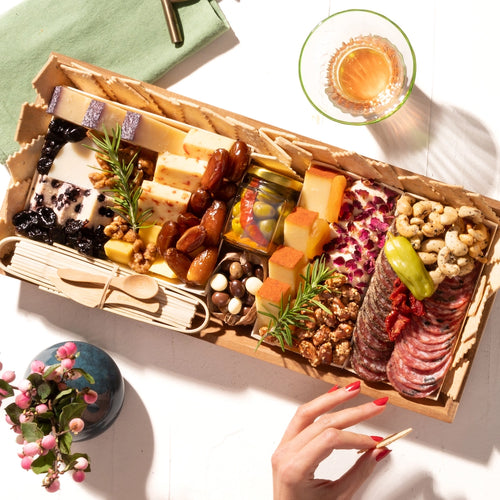
This culinary concept is rooted in the idea of communal dining, where guests can enjoy an array of small portions at their leisure. Typically, a grazing board includes a mix of cheeses, cured meats, fruits, nuts, crackers, and dips. However, vegetarian-friendly versions replace animal products with plant-based alternatives like hummus, roasted vegetables, and diverse cheeses made from nuts or soy. Vegetarian ones encourage creativity and inclusivity, offering a feast for both the eyes and the palate. By incorporating a variety of colors, textures, and flavors, these boards can be tailored to suit any occasion or theme. They also provide an excellent opportunity to showcase seasonal produce, elevating the freshness and taste of each component.
Benefits of Vegetarian and Vegan Options
Choosing vegetarian and vegan options for a grazing board offers several advantages, both for the individual and the environment. Firstly, these options tend to be lower in saturated fats and cholesterol, promoting heart health and reducing the risk of chronic diseases. Moreover, plant-based foods are often rich in fiber, vitamins, and antioxidants, contributing to overall well-being. From an environmental perspective, vegetarian and vegan grazing boards significantly reduce the carbon footprint associated with food production. With the growing awareness of climate change and sustainability, many people are looking to reduce their meat consumption.
Nutritional Information and Health Considerations
Creating a vegetarian grazing board that feels both indulgent and health-conscious is entirely achievable with a few mindful strategies. The key is to embrace variety and moderation, allowing guests to enjoy a sense of luxury without compromising on nutrition. Start by anchoring your board with nutrient-dense foods—think colorful vegetables, fresh fruits, whole grains, and plant-based proteins. These ingredients not only provide essential vitamins, minerals, and fiber but also help fill the board with vibrant color and appealing textures. To maintain a balance, include a selection of cheeses or creamy dips, but pre-portion these richer items into smaller servings or use them as accents rather than the main focus. This approach allows for the enjoyment of more decadent flavors without overwhelming the overall nutritional profile.
When it comes to dips and spreads, opt for homemade or minimally processed options where possible. Hummus, Greek yogurt-based dips, or avocado mash deliver creaminess and flavor with a fraction of the saturated fat found in many store-bought alternatives. For crackers and breads, choose whole grain or seed-based varieties to boost fiber content and provide longer-lasting satiety. If you wish to include treats such as chocolate, candied nuts, or rich cheeses, present them in small amounts and distribute them across the board, encouraging mindful sampling rather than overindulgence.
Another effective strategy is to incorporate plenty of naturally low-calorie, high-water-content foods—such as cucumber slices, cherry tomatoes, and bell pepper strips—which allow guests to graze freely while keeping calorie intake in check. Pair these with more substantial elements like roasted chickpeas, nuts, or marinated tofu to ensure the board feels satisfying and complete. Mindful eating can be encouraged by offering smaller plates and utensils, which gently nudge guests to take modest portions and savor each bite. Finally, pay attention to dietary restrictions and preferences by offering gluten-free, nut-free, or vegan options, ensuring everyone can participate in the enjoyment. By thoughtfully combining indulgent touches with wholesome staples, your vegetarian grazing board can deliver both pleasure and nourishment in every bite.
A well-crafted vegetarian grazing board is not only a feast for the senses but also a powerhouse of nutrition, thanks to the diverse range of ingredients it can showcase. For instance, nuts such as almonds and walnuts are rich in heart-healthy unsaturated fats, protein, and antioxidants, supporting cardiovascular health and providing lasting energy. Fresh fruits like grapes, berries, and figs contribute a wealth of vitamins, minerals, and phytonutrients, offering immune support and natural sweetness without added sugars.
Vegetables, both raw and roasted, are high in fiber and essential micronutrients—carrots bring beta-carotene for eye health, bell peppers deliver vitamin C for immune function, and leafy greens like spinach or arugula add iron and folate. Legume-based dips such as hummus supply plant-based protein and fiber, supporting digestive health and satiety. Whole grain crackers and breads offer complex carbohydrates for steady energy, while fermented foods like pickles or sauerkraut introduce beneficial probiotics for gut health. Even indulgent ingredients, when used mindfully, can contribute positively: cheeses provide calcium and protein, and dark chocolate (in moderation) delivers antioxidants. By intentionally selecting and combining these ingredients, your vegetarian grazing board becomes not only visually stunning but also a celebration of healthful eating, demonstrating that indulgence and nutrition can happily coexist.
Popularity of Grazing Boards at Parties
The rise of social media has also played a significant role in the popularity of grazing boards. Platforms like Instagram and Pinterest are rife with stunning images of these vibrant spreads, inspiring hosts to recreate similar displays for their events. This visual allure, coupled with the growing trend of experiential dining, has cemented grazing boards as a must-have feature at parties.
Essentials of a Vegetarian Charcuterie Board
Choosing the Right Board or Platter
Selecting the perfect board for your vegan cheese platter is the foundational step in crafting a standout vegetarian charcuterie tray. The board sets the stage for your presentation, so consider its size, material, and shape. Wooden boards are popular for their rustic charm and durability. Slate or marble options add a touch of elegance and can keep items cooler for longer periods. The size of the board should match the scale of your gathering; a larger board allows for more variety, while a smaller board can create an intimate setting. Consider also the ease of cleaning and the board's ability to withstand knife marks over time.
Key Ingredients to Include
Designing an impressive and delectable vegetarian grazing board is an art that blends aesthetic appeal with culinary creativity. It's about more than just arranging food; it's about curating a symphony of tastes, textures, and colors that will captivate and satisfy every guest, regardless of their dietary preferences. By thoughtfully selecting ingredients, from the creamiest cheeses to the freshest produce and crunchy accents, you can construct a spread that promises a truly unforgettable sensory journey.
-
Diverse Cheese Selection: At the foundation of any exceptional grazing board is a thoughtful assortment of cheeses. Aim for a variety of textures and flavor profiles to appeal to diverse palates. Consider including a soft, creamy brie for its luxurious melt-in-your-mouth quality, a sharp aged cheddar to provide a robust and tangy bite, and a fresh, crumbly goat cheese for a bright, acidic counterpoint. These different types of cheeses not only add visual interest but also offer a range of mouthfeels that perfectly complement the other board elements, creating a rich and satisfying experience for all guests.
-
Fresh and Pickled Vegetables: Incorporating a vibrant array of fresh and pickled vegetables adds essential crunch, acidity, and color to your board. Cherry tomatoes offer a burst of sweet juiciness, while crisp baby carrots provide a satisfying snap. Pickled cucumbers introduce a tangy and refreshing element that cuts through the richness of the cheeses. Beyond these, consider adding blanched asparagus spears, colorful bell pepper strips, or even blanched broccoli florets to enhance the board’s visual appeal further and provide a wider spectrum of flavors and textures, making each bite an interesting discovery.
-
Sweet and Juicy Fruits: Fruits are crucial for balancing the savory components of the grazing board, introducing natural sweetness and refreshing juiciness. Clusters of deep purple or green grapes add a burst of sweetness and a beautiful visual appeal. Succulent figs, whether fresh or dried, offer a unique texture and a rich, honeyed flavor. A medley of colorful berries like strawberries, blueberries, and raspberries not only provides vibrant hues but also delivers a delicate sweetness and a soft, yielding texture that complements the other elements beautifully.
-
Crunchy Nuts and Seeds: To introduce a satisfying textural contrast and a rich, earthy flavor, include a selection of nuts and seeds. Toasted almonds offer a buttery crunch, while walnuts contribute a slightly bitter, woody note. Sunflower seeds provide a delicate nuttiness and a satisfying chew. Beyond these, consider adding pistachios for their vibrant green color and distinct flavor, or even pumpkin seeds for an additional layer of crunch and a slightly sweeter profile. These small additions significantly elevate the overall sensory experience of the board.
-
Creamy Dips and Spreads: Integrating a variety of creamy dips and spreads adds another layer of flavor and moisture, allowing guests to customize their bites. Classic hummus provides a smooth, earthy base, while vibrant pesto offers a fresh, herby dimension. Consider a creamy artichoke dip for a rich, savory option, or a black olive tapenade for a briny kick. Presenting these in small, individual bowls not only maintains a clean and organized appearance on the board but also prevents cross-contamination, ensuring a hygienic and enjoyable experience for all attendees.
A masterfully arranged vegetarian grazing board transcends a simple meal; it becomes a focal point for connection and shared enjoyment.
Assembly and Arrangement Techniques for Vegetarian Grazing Boards
Once you have gathered your selection of fresh, colorful ingredients and chosen an appropriately sized board or platter, the next step is to focus on assembly and arrangement. Begin by placing any small bowls or ramekins containing dips, spreads, or marinated items directly onto the board. Position these bowls first, spaced evenly or at strategic points (such as the center and corners), as they will serve as anchors around which other ingredients can be built. Next, add the largest and most visually impactful items, such as wheels or wedges of cheese, clusters of grapes, or piles of sliced bread. Place these near the bowls to create focal points and establish a sense of abundance.
With your anchors in place, start filling in the board with medium-sized items like sliced vegetables, fruit halves, or rolled deli-style meat alternatives. Fan out sliced ingredients, such as cucumbers, radishes, or bell peppers, in semi-circular patterns to introduce movement and texture. Layering and overlapping these elements not only maximizes space but also gives the arrangement a lush, overflowing appearance. For added visual interest, alternate colors and shapes as you go, avoiding large blocks of similar items. For example, nestle bright cherry tomatoes next to a wedge of pale cheese, or tuck deep green olives beside crisp orange carrot sticks. This color contrast draws the eye across the board and encourages exploration. As you continue, use smaller items to fill in gaps and create a sense of cohesion. Scatter these thoughts rather than piling them in one spot, as this helps unify the composition. Aim for a balanced, organic look by grouping items; odd numbers and asymmetrical clusters often appear more natural and appealing than perfectly symmetrical arrangements. If your board has empty spaces, gently tuck in sprigs of fresh herbs or edible flowers to add fragrance and pops of color.
Functionality is just as important as aesthetics. Arrange items so that guests can easily access a variety of flavors and textures in each reach, and ensure that spreads and dips are surrounded by their ideal dippers, such as crackers, bread, or vegetable sticks. Pre-slice or portion cheeses and breads to make serving easier, and provide small utensils or tongs where needed for sticky or wet items. By thoughtfully layering, grouping, and contrasting your ingredients, you’ll create a vegetarian grazing board that is as practical to enjoy as it is beautiful to behold.

Balancing Flavors and Textures
Achieving the right balance of flavors and textures is crucial for a successful vegetarian charcuterie board. The interplay of sweet, salty, tangy, and savory elements keeps the palate intrigued and guests coming back for more. Pair soft cheeses with crunchy nuts or crackers to create a contrast in texture. Include a variety of bread options, from crusty baguettes to soft pita slices, to cater to different preferences.
When balancing flavors, think about the harmony between sweet fruits and salty cheeses. The sweetness of figs or grapes can offset the saltiness of feta or blue cheese, creating a delightful contrast. Additionally, the inclusion of pickled items can introduce a tangy note that cuts through richer flavors. For a touch of spice, consider adding a few slices of jalapeño or a spicy dip for those who enjoy a bit of heat. A thoughtfully balanced board ensures that each bite is a new and exciting experience.
Recipe Inspirations and Variations
To elevate your vegetarian grazing board beyond the basics, consider drawing inspiration from specific themes, seasons, and special occasions. Themed boards not only add visual excitement but also create memorable experiences for your guests. For example, a Mediterranean-inspired board might feature quinoa tabbouleh salad, roasted red pepper hummus, marinated artichokes, olives, figs, dried apricots, and pita triangles, offering a harmonious blend of bright, tangy, and savory flavors. For a classic brunch gathering, assemble a board with mini bagels, whipped herbed cream cheese, cucumber ribbons, cherry tomatoes, sliced radishes, fresh berries, and a bowl of tangy lemony hummus. This combination balances freshness with indulgence and provides plenty of options for mixing and matching. Seasonal variations are another way to keep your boards exciting and relevant throughout the year. In the spring, focus on crisp asparagus spears, snap peas, strawberries, and delicate cheeses like chèvre. Summer boards can shine with juicy peaches, watermelon slices, heirloom tomatoes, and basil pesto, while autumnal spreads benefit from roasted root vegetables, spiced nuts, dried cranberries, and apple slices paired with sharp cheddar or plant-based blue cheese. For winter, consider roasted Brussels sprouts, pomegranate arils, dried figs, and hearty whole grain crackers, complemented by creamy dips and robust cheeses.
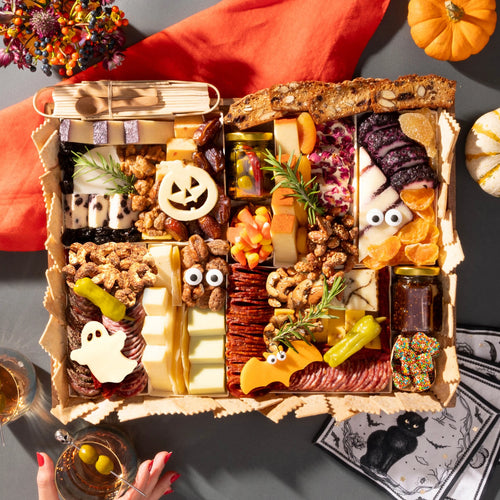
Special occasions offer further opportunities for creative board-building. For holidays, try a festive board with ruby-red pomegranate seeds, rosemary sprigs, spiced nuts, cranberry chutney, and vegan brie, arranged in the shape of a wreath or tree for added flair. A dessert board can feature dark chocolate squares, candied pecans, dried apricots, fresh berries, and vegan caramel dip for a sweet ending to any meal. For a kid-friendly party, create a playful board with star-shaped cheese slices, veggie pinwheels, mini pretzels, and fruit skewers. Sample board menus can spark creativity and make planning easier. For a Southwest-inspired board, combine black bean dip, roasted corn salsa, avocado slices, jicama sticks, tortilla chips, cherry tomatoes, and lime wedges. A French-inspired board could include rennet-free brie, cornichons, grapes, walnuts, whole grain mustard, and slices of crusty baguette. Don’t hesitate to mix and match elements from different themes to suit your guests’ preferences or the mood of your gathering.
Vegan Charcuterie Board Ideas
Plant-Based Cheese Alternatives
Creating a vegan charcuterie board begins with selecting the right cheese for your plant-based grazing platter that offers both taste and texture. In recent years, the market has expanded exponentially with innovative options crafted from nuts, seeds, and even legumes. Almond-based cheeses, for instance, are particularly popular due to their creamy texture and ability to mimic the flavors of traditional cheeses like cheddar and brie. Cashew cheese, another staple, brings a rich, buttery flavor that pairs well with fruits and crackers. For those seeking something unique, cheeses made from chickpeas or soybeans offer a firmer texture and are often infused with herbs and spices for added depth. The quality of plant-based cheese alternatives has improved significantly, allowing for a more authentic culinary experience. Artisanal brands often age their cheeses to develop complex flavors, similar to traditional cheese-making processes. Some producers even use fermentation techniques to enhance the tanginess and depth, making them a perfect centerpiece for your cheese and veggie board. A well-curated selection might include a semi-soft almond cheese alongside a tangy cashew blue cheese, offering a variety of flavors and textures that appeal to both vegans and non-vegans alike.
Creative Vegan Protein Sources
Tempeh, a fermented soy product, is an excellent choice due to its nutty flavor and firm texture. It can be marinated and grilled for added taste, serving as a hearty option on the board. Seitan, known for its meat-like texture, can be seasoned and sliced thinly to mimic deli meats, providing a satisfying bite. Both options are rich in protein and can be seasoned in diverse ways to complement other items on the board. Another innovative protein source is jackfruit, which, while technically a fruit, is often used in vegan cuisine for its ability to absorb flavors and mimic the texture of pulled pork or chicken. When marinated in barbecue or teriyaki sauce, jackfruit becomes a flavorful addition that stands out. For a more traditional approach, include a selection of marinated and roasted chickpeas or lentil pâtés, which are both high in protein and offer a delightful spreadable texture.
Dips and Spreads for Added Flavor
Dips and spreads are essential for adding a burst of flavor to any charcuterie board, and there are plenty of vegan options that can elevate your presentation. Traditional hummus, made from chickpeas and tahini, is a classic choice that pairs well with vegetables and crackers. For a twist, consider beet hummus or roasted red pepper hummus, which introduce vibrant colors and unique tastes. Baba ganoush, a creamy eggplant dip, offers a smoky flavor that complements a variety of board items.
Pestos made from basil or sun-dried tomatoes provide a fresh and aromatic touch, perfect for drizzling over cheeses or using as a dip. Tapenades, typically made from olives, capers, and anchovies, can be veganized by omitting the anchovies and adding sun-dried tomatoes or roasted red peppers for an umami-rich spread. These dips and spreads not only enhance the taste but also add visual interest, making your veggie and cheese charcuterie board a feast for the eyes as well as the palate.
Tips for Cutting and Arranging Vegetables
The initial visual impact relies heavily on the meticulous preparation of each ingredient, ensuring that every component is not only flavorful but also visually irresistible. This goes beyond simply scattering items; it demands a strategic approach to cutting, arranging, and harmonizing the various elements to create a feast for both the eyes and the palate.
-
The visual appeal of your grazing board heavily relies on the way you prepare your vegetables. Consider varying the cuts to introduce a dynamic element to the presentation. Instead of uniform slices, try slicing cucumbers into perfect rounds, cutting carrots into slender sticks, and shaping bell peppers into elegant strips. This diversity in form makes the board more visually engaging and practical for guests to pick up and enjoy. To achieve a professional and consistent look, a mandoline can be invaluable for creating uniform slices, while a vegetable peeler can produce delicate ribbons of certain vegetables, adding an unexpected touch of elegance.
-
Strategic arrangement is key to a visually harmonious board. Begin by positioning larger, more substantial items first, such as whole radishes or small bell peppers, acting as anchors across the board. Once these foundational elements are in place, you can progressively fill the gaps with smaller items. Grouping vegetables of similar hues can create a striking visual impact, drawing the eye across the board. Simultaneously, ensure that a diverse range of shapes and textures are distributed throughout, preventing monotony and encouraging exploration of the different elements.
-
Achieving balance and symmetry is paramount in the arrangement of your vegetables. While it might seem intuitive to create perfectly symmetrical patterns, a more organic and inviting look can often be achieved by embracing asymmetry. For instance, consider using odd numbers when grouping items. This technique, often employed by food stylists, creates a more natural and less rigid aesthetic, making the board appear more abundant and appealing. It invites guests to explore the board rather than simply observe a static display.
-
Incorporating a variety of textures is crucial for an engaging grazing board. Beyond just the visual aspect, different textures offer a more satisfying eating experience. Think about including crunchy elements like raw carrot sticks or crisp bell pepper strips alongside softer items such as roasted vegetables or creamy dips. This contrast in textures adds depth to each bite and ensures that the board offers a multifaceted
The meticulous attention to detail in presentation will undoubtedly elevate the overall enjoyment of your vegetarian grazing board.
Serving Suggestions and Portion Guidance
One of the most common questions when planning a vegetarian grazing board is how much food to provide per guest and how to adapt your board for different occasions. The answer depends on the role your board will play—whether it’s the main attraction, a hearty appetizer, or a light snack. As a general rule, if your grazing board is the centerpiece of the meal, plan for about 6–8 ounces (170–225g) of food per person. This includes all elements—cheese, breads, fruits, vegetables, dips, and extras. For boards served as appetizers, scale down to 3–4 ounces (85–115g) per person, since guests will likely enjoy other courses as well. If the board is just a snack or part of a larger spread, 2–3 ounces (55–85g) per person is usually sufficient.
Scaling your board for different group sizes is straightforward: simply multiply the per-person quantities by your guest count, and round up slightly to ensure abundance. For example, for a party of eight where the board is the main meal, aim for 3–4 types of cheese (about 6–8oz total per person), 2–3 cups of assorted vegetables, 2 cups of fresh fruit, 1–2 cups of nuts, 1–2 dips or spreads, and enough crackers or bread for everyone to sample each dip. If you’re serving a larger crowd, consider creating multiple smaller boards or replenishing the main board throughout the event to keep everything fresh and inviting.
Practical serving tips can further elevate the experience. For parties, arrange the board so guests can access all items easily from any side, and provide small plates, napkins, and a set of serving utensils for each dip, cheese, or spread. Consider replenishing the board periodically rather than setting everything out at once—this keeps items fresh and allows you to adapt to guests’ preferences as the event unfolds. For interactive gatherings, set up a DIY section where guests can assemble their own mini skewers or bruschetta, encouraging mingling and creativity. If serving as a main meal, offer a wider variety of proteins and hearty elements like roasted vegetables or grain salads. For more casual events or snacks, keep the selection simple and focus on finger-friendly foods. No matter the occasion, thoughtful portioning and presentation ensure that every guest enjoys a satisfying and memorable grazing experience.
Healthy Grazing Board Options
Low-Calorie and Nutrient-Dense Choices
Creating a vegetarian-friendly grazing board that is both low in calories and packed with nutrients can be a delightful challenge. Consider including cruciferous vegetables such as broccoli and cauliflower. They are low in calories but high in fiber, which helps maintain satiety and supports digestive health.
Incorporating Whole Grains
Whole grains are an excellent addition to any grazing board because they provide complex carbohydrates that fuel the body sustainably. Incorporating whole grain crackers or small slices of whole grain bread can enhance the texture and flavor profile of the board. These options not only serve as a base for spreads and toppings but also add a hearty element that complements lighter vegetables and fruits. To further enhance the nutritional value, consider integrating grains like quinoa or farro into small salad portions on the board. These grains are versatile and can be dressed with olive oil, lemon, and herbs for added flavor. They bring a satisfying bite and are rich in fiber and essential minerals. This combination ensures your board is varied and robust, offering a fulfilling culinary experience.

Mindful Portion Control
Mindful portion control is crucial when designing a grazing board that both satisfies and maintains nutritional balance. Pre-portion items such as cheese, nuts, and dips into small, manageable servings. This approach helps guests enjoy the offerings without overindulging. It's a strategy recommended by nutritionists to prevent calorie overconsumption while still enjoying a diverse range of foods. Additionally, consider using smaller serving plates and utensils, which naturally encourage smaller portion sizes. This subtle psychological cue can help in moderating intake. Encouraging guests to savor each bite slowly not only enhances the eating experience but also aids digestion and satisfaction. Mindful eating practices transform the board from a mere assortment of snacks into a thoughtful culinary journey that respects both health and palate.
Grazing Boards for Parties: Tips and Tricks
Making the Board Interactive and Fun
Engagement is key to a successful party grazing board, and making it interactive can significantly enhance the experience for your guests. One way to achieve this is by including a DIY element, such as a mini bruschetta station where guests can assemble their own combinations using an array of toppings like roasted peppers, tapenade, and cherry tomatoes. This not only adds a playful touch but also encourages guests to explore different flavor profiles and textures.
Themes and Aesthetic Ideas
Beyond simply arranging an assortment of foods, the true magic lies in transforming the board into an experience, a focal point that not only satisfies the palate but also enhances the overall ambiance of your gathering. By paying close attention to thematic consistency and aesthetic appeal, you can elevate your board from a simple spread to a memorable centerpiece that truly reflects the spirit of your event.
-
Vary Heights and Textures for Visual Dynamics: To prevent your board from appearing flat and uninspiring, introduce variations in height and texture. Utilize miniature bowls, risers, or even small, overturned cups beneath a napkin to elevate certain items, creating visual layers. Contrast smooth items like hummus or soft cheeses with crunchy elements such as nuts, crackers, or crisp crudités. This interplay of dimensions and tactile sensations not only makes the board more engaging to the eye but also encourages guests to explore the diverse offerings and discover new taste combinations.
-
Incorporate Seasonal and Local Produce: Highlighting the freshest ingredients is key to a vibrant and flavorful vegetarian grazing board. Prioritize seasonal fruits and vegetables that are at their peak, offering the best taste and visual appeal. Sourcing from local farms or markets can also add a unique touch, allowing you to tell a story about the origin of your ingredients. For a summer board, think juicy berries, cherry tomatoes, and cucumber slices, while a winter board might feature roasted root vegetables, pomegranates, and crisp apples.
-
Mindful Placement for Optimal Flow: The arrangement of items on your board should be strategic, guiding guests through the various offerings. Place dips and spreads centrally, surrounded by their ideal accompaniments like crackers or vegetable sticks. Distribute a variety of textures and flavors evenly across the board to encourage exploration. Consider creating small "zones" of complementary items, such as a cheese section with grapes and crackers, or a Mediterranean corner with olives, hummus, and pita bread, to facilitate easy pairing.
-
Elevate with Edible Garnishes and Accents: Beyond the main components, small, thoughtful garnishes can significantly enhance the aesthetic appeal of your grazing board. Edible flowers, fresh herbs like rosemary or basil, and a sprinkle of vibrant spices can add bursts of color and aromatic freshness. A drizzle of high-quality olive oil or a dusting of paprika can transform simple ingredients into gourmet delights. These seemingly minor details contribute immensely to the overall presentation, demonstrating attention to detail and elevating the entire culinary experience.
By implementing these thoughtful considerations, your vegetarian grazing board will transcend its functional purpose, becoming a true testament to culinary artistry. It will not only offer a delicious array of plant-based delights but also serve as a captivating visual element, sparking conversation and enhancing the overall enjoyment of your event. The effort invested in aesthetic and thematic alignment will undoubtedly be reflected in the appreciation and delight of your guests.
Portable and Travel-Friendly Options
When it comes to creating a vegetarian grazing board that travels well, consider options that maintain their integrity over time. Hard cheeses like Gouda or Parmesan are excellent choices because they withstand temperature changes better than softer varieties. Pair these with whole grain crackers or seed-based crisps that won't go stale quickly. Fresh fruits like grapes or apple slices can add a refreshing contrast without requiring refrigeration.
For those who prefer plant-based proteins, roasted chickpeas or edamame can be a fantastic addition, offering both taste and nutritional benefits. These options are not only filling but also easy to pack in airtight containers for on-the-go snacking. A report by the American Institute for Cancer Research highlights the importance of including plant-based proteins in daily diets for their health benefits. Additionally, using reusable bento boxes can help in organizing the board components effectively, ensuring they remain intact during travel.
Kid-Friendly Vegetarian Snacks
Creating a vegetarian snack board that appeals to children involves a mix of creativity and nutrition. Opt for vibrant colors and fun shapes to make the board enticing. Use cookie cutters to create star-shaped cheese slices or vegetable pieces. Incorporating a variety of textures is also key; think crunchy carrot sticks paired with smooth avocado dip or creamy yogurt. These elements not only make the board visually appealing but also cater to the sensory preferences of kids. Incorporating familiar flavors can help children feel more comfortable trying new foods. Consider adding small portions of their favorite snacks, like popcorn or pretzels, alongside healthier options. Involving kids in the preparation can also increase their interest in trying different foods.
Grazing Board Delivery
Subscription Boxes for Regular Deliveries
Subscription boxes can be an excellent way to keep your pantry stocked with fresh, vegetarian-friendly grazing board essentials. Companies like Boarderie deliver monthly selections of artisanal cheeses and accompaniments. These boxes often include exclusive items that are not readily available in traditional retail settings, offering a unique experience for gourmets and casual snackers alike. Subscribers also benefit from the convenience of automatic deliveries, which ensure a steady supply of fresh ingredients.
For those seeking a more personalized touch, several online stores offer customization services for their grazing boards. This allows customers to select specific items or themes, ensuring the board perfectly suits their taste and occasion. Some companies, such as Boarderie, specialize in creating bespoke grazing boards that cater to individual preferences and dietary restrictions. By working closely with customers, these services create unique culinary experiences that go beyond the standard offerings. Customization options can include everything from selecting the type of cheese or crackers to choosing specific fruits, nuts, or spreads that align with a customer's dietary needs. This level of personalization ensures that everyone at the gathering can enjoy the spread, making it an ideal choice for hosts with diverse guest lists.
Crafting a travel-friendly vegetarian grazing board is all about smart choices that prioritize durability and taste. By selecting hard cheeses, robust crackers, and resilient fruits like grapes and clementines, you ensure your spread remains appealing on the go. Incorporating plant-based proteins such as roasted chickpeas or edamame not only boosts the nutritional value but also adds satisfying textures, aligning with health recommendations for increased plant-based consumption. The key to successful portability lies in thoughtful packing, utilizing bento boxes, insulated bags, and leak-proof containers for dips. With these considerations, your vegetarian grazing board will be a delicious and convenient companion for any adventure, offering a delightful culinary experience wherever you roam.
