
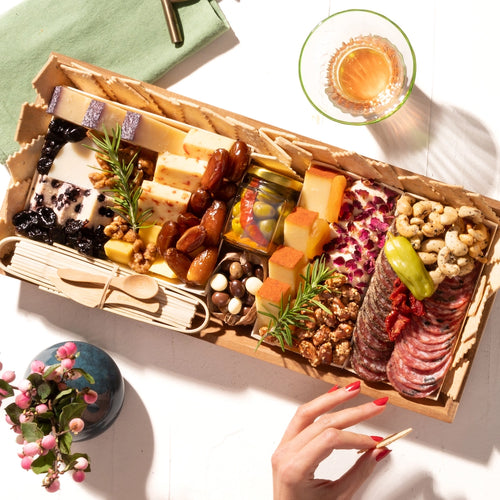



Charcuterie boards have taken the entertaining world by storm, and now creative hosts are adapting them into entirely plant-based versions. If you're looking for vegan charcuterie board ideas to assemble an eye-catching spread, you're in the right place. These abundant platters can be just as indulgent and impressive as their meat-and-cheese counterparts, with the added benefits of being kinder to animals and often healthier. We’ll walk through the top 10 ingredients that will help you craft a flavorful and balanced DIY vegan charcuterie board.
Definition of a Charcuterie Board
A charcuterie board is a visually abundant serving platter traditionally centered around cured meats, cheeses, and an array of accompaniments. Originating from the French word “charcuterie,” the concept historically referred to shops specializing in prepared meats such as salami, prosciutto, pâtés, and other preserved delicacies. Over time, the idea of the charcuterie board evolved beyond its French roots and has become a staple of modern entertaining, prized for its communal, customizable nature. Classic boards typically feature a selection of sliced cured meats, a variety of cheeses, and a supporting cast of items like crusty bread, crackers, olives, pickles, fresh and dried fruits, nuts, mustards, and sweet jams. The beauty lies in its balance of flavors, textures, and colors, offering something for every palate and encouraging guests to mix and match to their liking.

While the original charcuterie board is undeniably meat and cheese-centric, the concept has proven remarkably adaptable. As plant-based eating has surged in popularity, creative hosts and food lovers have reimagined it to fit vegan lifestyles without sacrificing indulgence or variety. The vegan charcuterie board retains the spirit of abundance and sharing but swaps out animal-based products for an exciting array of plant-based alternatives.
Plant-Based Cheeses
Gone are the days when dairy was the only option; today's market boasts an impressive and expanding range of delicious alternatives that promise to elevate your culinary creations. From creamy spreads to firm, aged options, these innovative vegan cheeses offer a diverse range of textures and flavors.
-
Embrace the Diversity of Plant-Based Cheeses: The world of vegan cheese is incredibly rich and varied, offering a spectrum of textures and flavors to rival traditional dairy. Explore cashew-based bries for a luxurious, rich profile, or delight in the nutty complexity of almond goudas. For familiar comfort, soy-based cheddar shreds provide a versatile option. A wide array allows for endless creativity in crafting a board that caters to every palate, from smooth, spreadable varieties perfect for crackers to elegant, sliceable aged wheels ideal for sophisticated pairings.
-
Introduce a Range of Textural Experiences: To create a truly dynamic and engaging board, prioritize a diverse selection of vegan cheeses that offer varying textures. Begin with a spreadable option, such as a flavorful vegan cheese ball infused with fresh herbs or a savory cashew-based pub cheese, perfect for scooping onto crackers. Complement this with a firm cheese, expertly cut into cubes or wedges, providing a satisfying bite and a distinct textural contrast. This thoughtful combination ensures a multi-sensory experience for your guests.
-
Incorporate Aged and Fermented Delights: For an intriguing counterpoint to the other flavors on your board, include an aged or fermented vegan cheese. While not a traditional Gouda or Camembert, these dairy-free alternatives offer unique and delightful profiles. Their sharp, complex notes can add a sophisticated dimension to your charcuterie spread.
-
Consider Crafting Your Own Vegan Cheeses: For a deeply personal and artistic touch, venture into making some of your vegan cheeses at home. The internet is a treasure trove of inspiring and accessible dairy-free charcuterie recipes. You can learn to create your vegan cheese wheels, prepare ricotta-style spreads from tofu, and much more. Offering these homemade creations demonstrates your culinary prowess and adds an authentic, unique element that guests will undoubtedly appreciate and remember.
By focusing on variety, texture, and a touch of personal flair, you can create a culinary masterpiece that will impress and delight everyone at your gathering, proving that a plant-based approach doesn't compromise on flavor or indulgence.
Vegan “Charcuterie” Meats
To capture the hearty, savory element of a charcuterie board, include a selection of vegan charcuterie meat alternatives. These plant-based “meats” replicate the flavors and textures of cured meats using ingredients like seitan (wheat protein), soy, legumes, or even vegetables. For example, you can find vegan salami and pepperoni made from seasoned seitan, smoky “prosciutto” made from soy or wheat, and deli-style slices that resemble turkey or ham made from tofu. Thinly sliced rounds of plant-based salami or pepperoni look beautiful folded on a board and pack a spicy, umami punch.
Consider adding bite-sized seasoned foods that fill a similar role. Marinated and baked tofu cubes can provide a firm, protein-rich bite. Meatless meatballs or sliced vegan sausages are also great for variety. You might even include inventive options like roasted tomato slices or mushroom-based “ham” as unique flavor accents. Having a couple of plant-based meats and cheeses as focal points will give your board that indulgent, protein-rich element.
Fresh Fruits
Beyond offering a refreshing contrast to richer flavors, fruit introduces a natural sweetness and vibrant colors that enhance the entire presentation. By thoughtfully selecting and preparing a diverse array of fruits, you can transform a simple board into a delightful experience that caters to all palates.
-
Elevating the Board with Traditional Choices: Grapes and berries are classic inclusions that serve a dual purpose on any charcuterie board: providing a natural sweetness and acting as excellent palate cleansers. Consider artfully arranging clusters of red and green grapes to add visual interest. Jewel-toned berries, such as strawberries, blueberries, blackberries, and raspberries, can be strategically placed to fill gaps and add pops of color. These traditional choices ensure a familiar yet refreshing element on your vegan spread.
-
Perfect Pairings with Sliced Fruits: Sliced fruits such as apples, pears, and figs are exceptional companions for vegan cheeses, creating delightful flavor and texture combinations. The crispness of apples and pears offers a refreshing counterpoint to creamy cheeses, while the unique sweetness of figs adds a sophisticated touch.
-
Introducing Exotic and Tropical Flavors: For those seeking to add an adventurous twist to their plant-based grazing board, incorporating tropical fruits can provide an exciting and exotic flair. Pineapple chunks, kiwi slices, and segmented citrus fruits, such as mandarin oranges or striking blood orange rounds, introduce unique flavors and vibrant hues. These additions not only broaden the flavor profile of the board but also create a visually stunning display that is sure to impress your guests with its diverse and intriguing selection.
-
Harnessing the Best of Seasonal Produce: Embracing seasonal fruits is a clever strategy to ensure peak flavor and freshness while also adding a unique touch to your charcuterie board. During summer, juicy watermelon or cantaloupe chunks offer a refreshing and hydrating element that is always a crowd-pleaser. As autumn arrives, consider incorporating glistening pomegranate arils or elegant persimmon wedges, which contribute beautiful colors and distinctive tastes, making your board truly reflective of the season.
A thoughtful integration of fruit transforms a simple spread into a truly dynamic and delightful culinary experience, ensuring every guest finds something to savor and appreciate.
Fresh Vegetables
Vegetables might not appear on a classic meat-heavy board, but they are essential in a vegan charcuterie spread for crunch, freshness, and nutrition. Cherry tomatoes, carrot sticks, cucumber slices, bell pepper strips, radishes, and snap peas are all excellent choices to include. Veggies bring crisp textures and can serve as handy scoops for dips like hummus or guacamole. Raw veggies (red, orange, yellow, green, purple) make the board more vibrant and inviting. For example, you can arrange snappy green cucumber rounds beside bright orange carrot sticks and vivid purple cauliflower florets for visual contrast.

Try to provide several vegetable options, since everyone has their favorites. Common choices include: crunchy carrot and celery sticks, cherry or grape tomatoes, sliced bell peppers (red, yellow, or orange peppers are sweetest), cucumber or zucchini rounds, radish slices, and blanched broccoli or cauliflower florets. Even lightly cooked veggies can work – think roasted asparagus spears or marinated artichoke hearts for a gourmet touch. Vegetables also give a satisfying crunch that pairs well with creamy dips and spreads. They ensure there are plenty of vegan charcuterie board ideas for guests who love to snack on something light and fresh between tasting the richer items.
Dried Fruits
Along with fresh fruit, dried fruit is a staple on many charcuterie boards because of its intense flavor and chewy texture. Dried fruits like apricots, figs, dates, raisins, or cranberries offer concentrated sweetness that complements the savory items. They also contribute interesting textures – a tender dried apricot or a sticky Medjool date provides a nice chew that contrasts with crisp crackers or crunchy nuts. Visually, dried fruits bring warm, rich colors that make the board look abundant. These tangy-sweet bites pair beautifully with vegan cheeses, each enhancing the other’s flavors. Dried fruit ensures your vegan charcuterie platter has that full spectrum of flavor: savory, salty, fresh, and sweet all in one presentation.
Crackers and Bread
All those cheeses, meats, and dips need a delivery vehicle – that’s where crackers and bread come in. Providing a selection of crackers gives people something to build their perfect bite on. You’ll want a mix of textures and flavors here. Neutral crackers are great for pairing with flavorful spreads and cheeses, so they don't overpower the toppings. Whole-grain or seeded crackers bring heartiness and extra crunch, complementing creamy elements. You may also want to include gluten-free crackers or rice crackers to accommodate guests with dietary restrictions. Pretzels or breadsticks can add a fun shape and salty crunch as well. The key is making sure the crackers are sturdy enough to support spreads without crumbling. Arrange them in fanned-out stacks or standing upright in a bowl for visual interest.
Bread is another welcome addition: slices of baguette (fresh or lightly toasted into crostini) allow guests to make little open-faced sandwiches with the vegan meats and cheeses. If you have a softer spread, such as bruschetta, a crusty baguette slice is ideal. Pita bread triangles or mini naan can also work for an eclectic twist. It’s a good idea to include at least one type of bread if your board will feature things like olive oil dip or bruschetta.
Nuts and Seeds
Nuts and seeds are little flavor powerhouses that belong on every healthy charcuterie board. They add a satisfying crunch, protein, and healthy fats. Common choices are almonds, cashews, walnuts, pistachios, pecans, macadamia nuts, or Marcona almonds (the buttery Spanish almonds) for a gourmet touch. You can also include seeds like pumpkin seeds or sunflower seeds, though nuts are more typical. Nuts are a staple of plant-based diets for good reason: they’re packed with nutrients (like beneficial fats, protein, and fiber) and they taste great. They’re such a good fit on a charcuterie board because they are both nutritious and very filling, leaving your guests satisfied. A handful of nuts helps balance out the light fruits and veggies, ensuring the snack board has some heft.
Distribute nuts in small clusters or in tiny bowls on the board. This not only makes them look appealing, but also allows you to separate different types, so flavors don’t mix. Candied or spiced nuts can be fantastic too. Just be mindful of any allergies among your guests; if serving nuts, it's good practice to label them or mention it.
If you want an extra-crunchy element beyond raw nuts, consider adding roasted chickpeas as well (which some vegan hosts use as a substitute for or addition to nuts). These crispy chickpea snacks offer a protein-rich crunch similar to nuts and come in flavors like salt & vinegar or barbecue. Whether you choose classic roasted almonds or exotic candied pecans, nuts round out the board’s texture and nutritional profile, making your vegan snack board all the more satisfying.
Olives and Pickled Snacks
To achieve a truly balanced flavor profile, include some briny and pickled items. Olives are a classic choice here – their salty, rich taste can cut through the heaviness of cheeses and refresh the palate. You might offer a couple of varieties: for instance, some juicy green Castelvetrano olives and some ripe Kalamata or black olives. If you have an olive bar at your local store, you can even get stuffed olives for added interest. Just remember to provide a small dish for pits if the olives aren’t pitted, or use cocktail picks so guests can help themselves easily.
Spreads, Dips, and Condiments
One hallmark of a great vegan charcuterie platter is an assortment of dips and spreads to tie everything together. These can be savory, sweet, or a bit of both. Hummus is a perennial favorite on vegan boards – its creamy texture and rich, garlicky flavor make it a delightful centerpiece that goes with veggies, crackers, or bread. You can use a classic chickpea hummus or try variations like roasted red pepper hummus or edamame hummus for a twist. Alongside hummus, consider adding a tapenade or an artichoke dip for more Mediterranean flair. Even traditional dairy-based dips can be made vegan with a few swaps. Nearly all the classic creamy dips can be recreated in vegan form with plant-based ingredients.
Sweet spreads have their place, too. A dish of fig jam, onion chutney, or cranberry relish can be an excellent accompaniment to the vegan cheeses and crackers. Dijon or whole-grain mustard is another smart addition, lending a sharp tang that pairs excellently with plant-based meats and pretzels. If you enjoy a bit of heat, consider setting out a spicy pepper jelly or a sriracha-maple glaze for guests to drizzle on their creations.
Sweet Treats and Extras
Round out your board with a touch of sweetness and a few extra flourishes to elevate the experience. A little dessert-like bite at the end of a grazing session is always appreciated. One simple yet elegant option is dark chocolate; just make sure it’s vegan. Break a bar of vegan dark chocolate into squares or include a handful of dairy-free chocolate-covered almonds.
Besides sweets, extras can include garnish and decor items that make your board look bountiful. Fresh herbs such as rosemary, thyme, or basil can be tucked in between foods to add greenery and a subtle fragrance. Edible flowers are a beautiful addition to special occasions, instantly elevating the platter to a gourmet look. These don’t necessarily get eaten, but they enhance presentation. You can also fill minor gaps on the board with items like crunchy chickpea snacks, popcorn, or veggie straws for additional texture. The goal with sweet treats and extras is to provide that final layer of flavor and aesthetics. With the addition of a few chocolates and some pretty garnishes, your vegan grazing board will not only satisfy hunger but also leave a lasting impression.

Nutritional Information
A vegan charcuterie board can also be a nourishing choice that supports a well-rounded, plant-based diet. Unlike traditional meat-and-cheese boards, vegan versions typically feature a wide array of whole foods, such as nuts, seeds, fruits, vegetables, legumes, and plant-based cheeses. This diversity translates into a spectrum of nutrients, including fiber, healthy fats, plant-based proteins, vitamins, and minerals. For example, a typical serving (about one-eighth of a generously sized board) may provide roughly 400–450 calories, with a balanced macronutrient profile: moderate protein (around 14 grams), healthy fats (about 30 grams), and complex carbohydrates (approximately 40 grams), as well as significant fiber, vitamins, and minerals. These numbers, however, will vary depending on the specific ingredients and quantities used.
If you’re feeling a bit overwhelmed, don’t worry – with these key components in hand, putting together an easy vegan charcuterie spread is doable. And if you ever want to treat yourself or need inspiration, keep in mind that gourmet board services exist nowadays. Some companies even offer ready-made board deliveries as a charcuterie subscription service. For example, Boarderie is known for its artisanal cheese and charcuterie boards, shipped to your door, a premium charcuterie delivery service for special occasions. But whether you opt for a delivered platter or craft your own, the result can be equally spectacular. It will not only impress your guests with its abundance and variety, but also demonstrate just how delicious and diverse plant-based entertaining can be.
Sources:
-
Gennifer Rose – Plant Based and Vegan Charcuterie Board Ideas (2021)genniferrose.com
-
Sophistiplate – Vegetarian Charcuterie Meat: Our Recommendations for Non-Meat Eaters (n.d.)sophistiplate.com
-
Ain't Too Proud To Meg – How To Make The Best Vegan Charcuterie Board (2022)ainttooproudtomeg.com
-
EatPlant-Based – How to Make the Ultimate Vegan Charcuterie Board (2024)eatplant-based.com
-
EcoWatch – Vegan ‘Charcuterie’ Boards: Everything You Need to Know (2021)
