
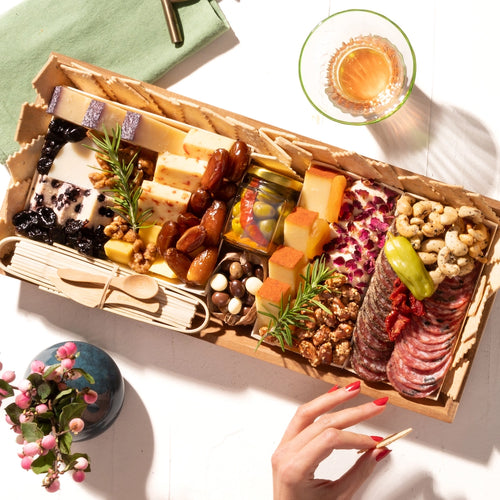
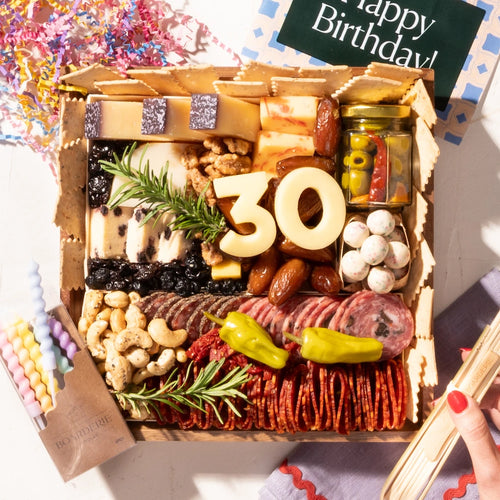
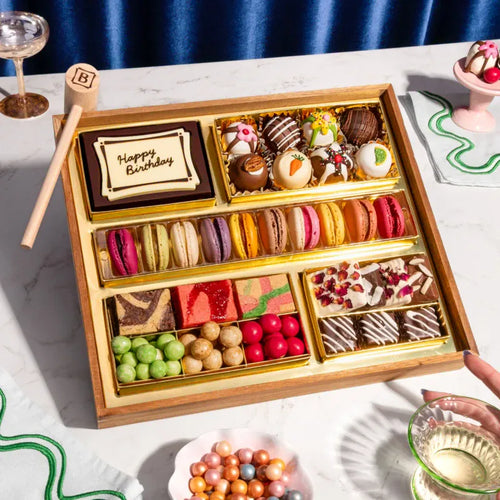
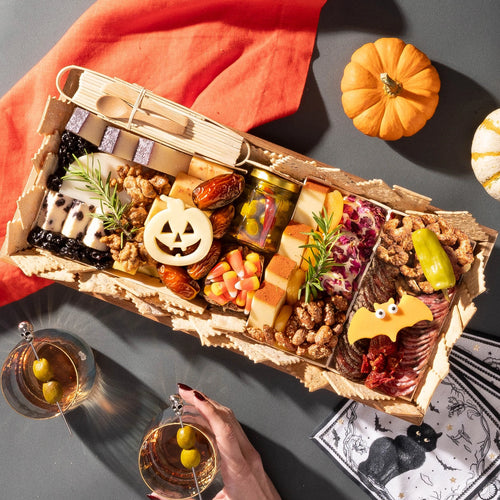


Charcuterie boards have exploded in popularity as a go-to party appetizer. These artfully arranged spreads traditionally highlight cured meats, but cheese often steals the show. Cheese has become the star component that elevates all the other ingredients on the board, giving guests a taste of luxury while still offering familiar, comforting flavors. With the right selection of charcuterie board cheeses, you can transform a simple platter into an artisan charcuterie board that delights every palate.
Mixing Textures and Flavors
There is no single best charcuterie cheese – the magic lies in offering a range of styles. A visually appealing and tasty board typically includes 4 to 6 different cheeses that span a spectrum of textures and flavor profiles. This means combining creamy and soft cheeses with firmer, aged ones, plus maybe a bold or blue option for contrast. By mixing milk types (cow, goat, sheep) and aging levels, you introduce diverse flavors – from mild and milky to sharp and nutty. A smart cheese selection balances crowd-pleasers with a few adventurous choices. Many popular charcuterie cheeses are well-loved classics for a reason: cheddar, for instance, is a staple that most guests will recognize and enjoy, as are milder options like young Gouda or fresh mozzarella. These provide a comforting base. Then, by adding in a couple of more artisanal or bold cheeses – perhaps an aged goat cheese or a pungent blue – you introduce a “wow” factor and a touch of gourmet flair. Striking this balance caters to all palates.

Another aspect of planning is portion and quantity. If your charcuterie board is an appetizer, plan on roughly 2 ounces of each cheese per person. It’s better to cut smaller portions and refill the board as needed than to overwhelm the board with too much of any one cheese. Part of the appeal is the curated look. Also, consider the board size: for large charcuterie board ideas, you may replicate cheeses on different parts of an extra-large board so guests can access them from all sides, or simply include a greater number of cheese varieties to fill the space. The key is balance: enough variety to be exciting, but not so much that flavors clash or the board looks chaotic.
Soft Cheeses: Creamy Crowd-Pleasers
Soft, creamy cheeses are a must-have on any charcuterie platter. These are the velvety, spreadable cheeses that add a luscious texture and rich flavor, providing a perfect counterpoint to firmer meats and crackers. The classics in this category include Brie and Camembert (bloomy rind cow’s milk cheeses), fresh goat cheese (chèvre), and specialty items like triple-crème cheeses or even fresh burrata. A ripe Brie, for example, has a snowy white rind and a butter-soft interior that oozes slightly at room temperature. It’s known for a gourmet cheese platter flavor profile that is rich and buttery with subtle earthy, mushroomy notes. This decadent character makes Brie a perennial favorite and a good cheese for charcuterie boards when you want something milder that still feels indulgent. Chèvre offers a tangy twist – its bright acidity and creamy yet crumbly texture pair wonderfully with sweet elements like honey or dried fruit.
Semi-Soft and Firm Cheeses
These are often the most popular charcuterie cheeses because they are so versatile and generally universally enjoyed. Semi-soft cheeses include varieties like young Gouda, Havarti, Fontina, and Muenster. They usually have a smooth, sliceable texture and mild to medium flavor. Young Gouda (the kind that still has a red or yellow wax rind) is slightly sweet and creamy with a pliable bite. These cheeses are easy to cut into neat slices or cubes, making them ideal for a tidy presentation on the board. Their mildness offers a nice break between stronger cheeses and salty cured meats. If you’re looking for charcuterie cheese ideas in this range, you might also try a wine-soaked cheese like Drunken Goat – it’s semi-soft with a red wine-infused fruity taste, adding a fun visual and flavor twist.
Firm cheeses overlap with semi-soft in many cases and bring a bit more bite or age. Cheddar is a prime example and a cornerstone of many cheese boards. A younger cheddar (aged a few months) will be semi-firm, smooth, and slightly elastic, with a mild cheddar flavor that’s not too sharp – perfect for a broad audience. In contrast, an aged cheddar (1-2 years or more) becomes harder, crumbly, and develops bold sharpness and earthy depth. Including a cheddar gives that familiar snappy flavor that pairs with just about anything, from apples and mustard to summer sausage. Other firm cheeses to consider are Alpine-style cheeses like Gruyère, Comté, or Emmental. Gruyère, originating from Switzerland, has a dense, slightly flexible texture and a nutty, savory taste with wonderful depth. It’s firm enough to cut into cubes or thin slices that won’t collapse on the board. From a presentation standpoint, cut semi-soft and firm cheeses into guest-friendly pieces before placing them on the board. You can fan out slices of cheddar or Havarti, or make neat piles of cubes for easy snagging.
Aged Hard Cheeses
For a deeper flavor and a contrasting texture, include at least one aged hard cheese on your charcuterie board. These cheeses are often salty, crystalline, and packed with concentrated flavor thanks to long aging. They offer a delightful bite that can cut through the richness of meats and the sweetness of fruits on the board. Examples of hard cheeses are Parmigiano-Reggiano (Parmesan), Pecorino Romano, aged Asiago, aged Gouda, and Manchego (a firm Spanish sheep’s cheese usually aged several months to a year). Aged hard cheeses tend to be quite robust: Parmigiano-Reggiano, for instance, has a savory umami bomb of a taste – nutty, salty, and slightly fruity – with a granular, crunchy texture from the protein crystals that form during aging. True cheese aficionados belove these hard cheeses and add a gourmet cheese platter feel to your board.

Meats, Pairings, and Presentation
Think of the cheeses as the anchors of your gourmet cheese platter, and now you get to dress them up. Traditional charcuterie boards include an array of cured meats, which you can fold or roll and tuck around the cheeses. The saltiness of meats complements the creamy and fatty elements of cheese. But even if the focus is on cheese, don’t skimp on the extras: fruits, nuts, spreads, and breads are essential for a well-balanced board. An assortment of accompaniments is what turns a collection of cheeses into a full charcuterie experience. Include something from each of these categories:
- Breads and Crackers: Offer a neutral base like water crackers or baguette slices, as well as something hearty or flavored like whole-grain crackers, breadsticks, or crostini. Make sure there are enough vehicles to transport cheese to people's mouths! Variety here is nice too – thin crisps and sturdier crackers, maybe even sliced pita or flatbread. If you have a soft, runny cheese, include a spoon or spreader and some bread that can handle a scoop of cheese.
- Fresh Fruit: Grapes, apple or pear slices, berries, or melon all add freshness and sweetness. Fruit lightens the palate between rich cheese and meat bites. A cool slice of apple with a chunk of cheddar is simple and perfect. Be mindful of fruit that browns (like apples or pears) – a squeeze of lemon juice after slicing can keep them fresh-looking. Dried apricots, figs, dates, or cranberries bring concentrated sweetness and chewiness. They pair especially well with blue cheeses and aged cheeses. A few glistening dried figs next to a wedge of blue cheese is very inviting.
- Nuts: Almonds, walnuts, pecans, or pistachios provide crunch and a toasty flavor. Candied nuts or spiced nuts can offer a sweet or savory twist. Scatter nuts in small piles or place them in a small bowl on the board to prevent them from rolling away.
- Spreads and Dips: Common choices are honey, fig jam or other fruit preserves, chutney, or mustard. A stone-ground mustard goes well with pretzels and cheddar, while a sweet fig jam is heavenly with Brie or goat cheese. You could also include a savory tapenade or a spicy jelly (like a pepper jelly) for variety. Place spreads in tiny jars or bowls with a small spoon so guests can dollop them onto their cheese or crackers.
- Fresh Herbs or Garnish: This is optional, but a few sprigs of rosemary, thyme, or edible flowers can make the board look extra appealing. They add color and a subtle aroma that says abundance. Even if not eaten, they contribute to the aesthetics, framing your cheeses nicely.
All these elements combined turn your cheese selection into a complete charcuterie board experience. Arrange them playfully: you might ribbon prosciutto slices near the brie, mound grapes by the cheddar, and nestle some chocolates or toffee next to the blue cheese for a sweet surprise. There’s no strict rule – arrange things in a way that distributes colors and textures across the board. By paying attention not only to the cheeses but also to the meats and fixings that go with them, you’ll elevate your board from good to truly great. The extra touches show thoughtfulness and will turn your assembly of cheeses into a cohesive, delicious journey for the senses.
Ideas for Large Boards and Parties
What if you’re planning for a bigger crowd or a special occasion and need large charcuterie board ideas? The fundamentals remain the same, but you’ll want to amplify variety and quantity. One approach is to simply scale up your selection: include a few more types of cheese for charcuterie and double up on the portions. For a party, you might choose 5 or 6 cheeses and ensure at least one from each category. You can also introduce two versions of a category to give even more choice. Large boards also allow room for creative grazing board ideas such as adding extra items like deviled eggs, charcuterie cones, or even decorative elements like small pumpkins or pine sprigs among the food.
A large board also gives you the opportunity to be extra artistic. Use greenery, like kale leaves or parsley, under cheese or meats in spots to add color. Add height by using small ramekins or cups for items like olives, nuts, or dips – this creates visual interest and organizes those items neatly. You can even incorporate tiers or cake stands on a large table to elevate some parts of the display. When done right, it will be the centerpiece of your event, drawing oohs and ahhs as people gather around to enjoy the feast. Just remember, the fundamentals of balance and variety still apply, only on a grander scale.
Pre-Made Boards and Delivery
In today’s world, you can opt for a premade cheese board delivery service to do the work for you. There are companies that specialize in curating artisanal meat and cheese platters and shipping them ready-to-serve. One example is Boarderie, which offers beautifully arranged, gourmet boards delivered right to your door. These services hand-select an array of high-quality cheeses, cured meats, crackers, and accoutrements, often sourced from around the world. They arrive chilled and artfully assembled – all you might need to do is unwrap and impress your guests.
Using a service like this can be a game-changer if you’re hosting an event and want a stunning spread without the shopping and styling effort. It also makes a great gift; a shipped gourmet cheese platter can be a delightful surprise for a friend’s birthday or a family gathering you can’t attend in person. When choosing an option, look for boards that include a variety similar to what we’ve discussed: a good mix of soft, firm, aged, and maybe blue cheese, plus all the sides.
Best online charcuterie board providers will ensure balance and presentation so you still get that curated experience. It can be worth it for special occasions or when you’re short on time. Even if you go this route, it helps to understand what’s on the board so you can appreciate and help describe the cheeses to your guests.

Putting together the best cheeses on a charcuterie board is both an art and a science, but it’s certainly a fun and delicious project. With a little planning and creativity, you can craft an amazing charcuterie board that not only looks stunning but also satisfies a crowd. There truly is no single best cheese for charcuterie boards – the beauty lies in the combination. One cheese might be incredible on its own, but it’s the contrast with its neighbors that makes each bite exciting. The best cheeses for your board are those that work together to offer something for everyone.
Sources:
- WebstaurantStore Blog – Best Cheeses for a Charcuterie Board webstaurantstore.comfoodnetwork.com
- Wisconsin Cheese – Cheese for Cheese Board (Choosing Cheese Tips) wisconsincheese.comwisconsincheese.com
- Food Network – The Only Guide to Building a Charcuterie Board You’ll Ever Need foodnetwork.comfoodnetwork.com
- Love & Lemons – How to Make a Cheese Board loveandlemons.com
- Driftless Provisions – Charcuterie Board Ideas for Party (Tips for Large Boards) driftlessprovisions.com
