
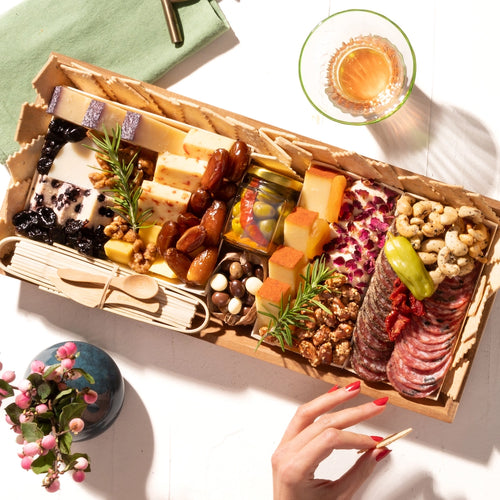
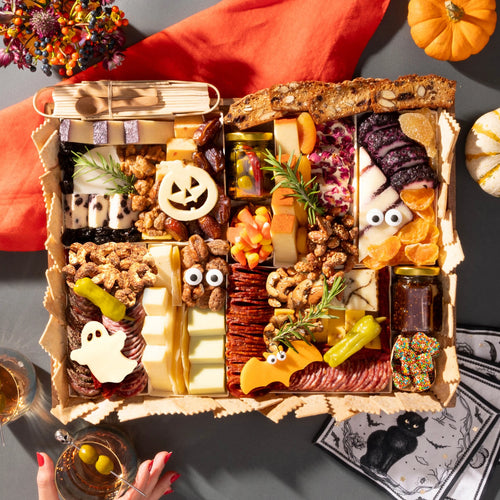
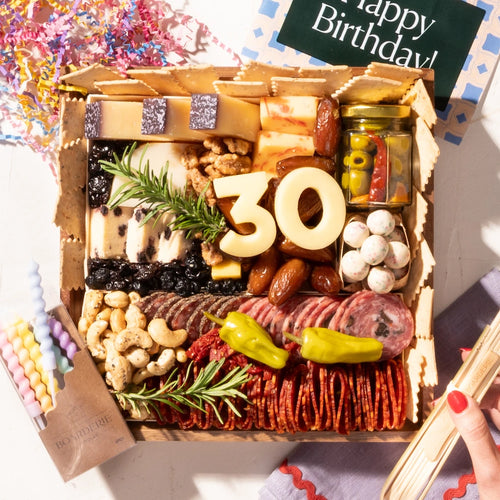
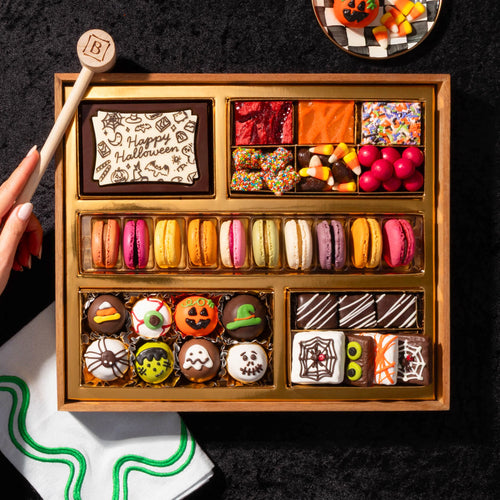


Charcuterie boards aren’t just for meats and cheeses anymore. Dessert versions have taken the entertainment world by storm. These sweet and savory charcuterie board creations combine indulgent treats with a touch of salty contrast, offering something for every palate. Interest in dessert boards has skyrocketed. It’s easy to see why: they’re fun, visually stunning, and perfect for sharing. Guests love grazing on a variety of bite-sized sweets, making dessert boards a trendy, crowd-pleasing finale for any gathering.

What Is a Dessert Charcuterie Board?
A dessert charcuterie board is essentially a visually appealing assortment of treats artfully arranged on a serving board or platter, the dessert equivalent of a traditional charcuterie spread. It’s a sweet charcuterie board filled with bite-sized desserts instead of meats and cheeses. You might see a mix of classic favorites and unique confections on one board: think cookies and brownies alongside chocolate-dipped fruits, candy charcuterie board staples like gummies or caramels, and perhaps a few surprise items like cheesecake bites or macarons. The goal is to present a generous variety of flavors and textures together.
Like a traditional charcuterie, the dessert version is all about diversity and abundance. Can’t decide between a chocolate chip cookie or a slice of pie? With a dessert board, you don’t have to choose. You can have a little of both and more. This “grazing” style encourages sampling and sharing. Guests can meander by the dessert grazing platter, nibble on a strawberry dipped in chocolate, then grab a mini cupcake or a piece of toffee. It turns dessert into an interactive experience. Whether it’s a family movie night or a fancy dinner party, a well-crafted dessert board delights everyone with its assortment. The freedom to enjoy many small bites is a big part of the appeal. Another benefit is their adaptability. You can tailor a dessert board to any theme, season, or dietary need. For example, include gluten-free cookies or vegan candies so there’s something for everyone. Fresh fruits can offer a lighter alternative to richer sweets. Even charcuterie board ideas for dessert can have a healthy twist by featuring nuts and fruit alongside the chocolates.
The Allure of Sweet and Savory Combination
One thing that sets many dessert charcuterie boards apart is the inclusion of a few savory elements to complement the sweetness. It might seem unusual at first – after all, dessert is typically sweet. But adding a savory component creates an exciting flavor balance. A prime example is incorporating cheese into your dessert board. Cheese brings a subtle saltiness and creamy richness that pairs unexpectedly well with sweets. You can even design a special cheese and chocolate platter as part of your dessert spread. Pair bold cheeses like blue or aged cheddar with dark chocolate, or a mild brie with honey and fruit. The contrast elevates both the cheese and the chocolate.
Chocolate itself has complex flavor notes that complement cheeses beautifully. This means a thoughtfully curated chocolate and cheese platter can be a star of your dessert board, delighting guests with gourmet sweet-and-savory pairings. A bite of tangy goat cheese with a drizzle of honey next to a square of rich bittersweet chocolate creates a harmonious blend of flavors. Similarly, a sharp Parmesan or salty Gouda alongside sweet dried figs or chocolate-covered almonds can be exquisite. Don’t be afraid to mix and match, as part of the fun is discovering surprisingly delicious combinations.
Savory elements aren’t limited to cheese either. Consider adding a handful of pretzels, salted nuts, or even some candied bacon to your dessert board. These touches lend a crunchy, salty contrast that makes the sweet flavors pop. Ever notice how a pinch of salt in caramel or chocolate chip cookies makes them taste better? The same principle applies here. Including a few savory charcuterie board ideas on your dessert platter can really wow those guests who don’t have an ultra-sweet tooth.
Customization and Themed Variations
Tailor your board by selecting ingredients that reflect individual preferences—think gluten-free crackers, dairy-free cheeses, or nut-free options for those with allergies. For specific occasions, incorporate themed elements: use pastel candies and floral garnishes for springtime, pumpkin-flavored treats and caramel apples for autumn, or heart-shaped cookies for Valentine’s Day. Creative variations might include regional inspirations, such as Mediterranean olives and feta or a dessert board with chocolate-dipped fruits and gourmet marshmallows. Thoughtful customization ensures everyone feels included and makes every gathering unique.
Balancing Flavors and Textures
Achieving a harmonious balance between sweet and savory elements on a charcuterie board is all about thoughtful contrast and variety. Incorporate both soft and firm components to keep every bite interesting. Don’t be afraid to experiment: a touch of sea salt on caramel, or a tangy cheese alongside dark chocolate, can elevate each flavor. A mindful mix ensures every guest enjoys a dynamic and memorable tasting experience.
Pairing Suggestions and Serving Ideas
To elevate your sweet and savory charcuterie board, consider offering a thoughtfully curated selection of beverages and extra accompaniments that complement the diverse flavors on display. Sparkling wines, such as prosecco or champagne, are classic choices—their effervescence refreshes the palate and pairs well with both creamy cheeses and rich chocolates. For a more robust option, light-bodied red wines, such as Pinot Noir or fruity rosés, harmonize well with both savory meats and sweet fruits. If you prefer non-alcoholic beverages, sparkling water with a twist of citrus, apple cider, or cold-brew tea can be delightful, offering a crisp, clean contrast to the board’s richness.

Essential Components of a Dessert Grazing Platter
Part of what makes dessert boards so impressive is the variety of goodies on display. The best boards feature an array of flavors, textures, colors, and food groups. By incorporating various components, you create a visually appealing spread and ensure there’s a treat to suit every preference. Creative dessert charcuterie is all about mix-and-match, so let’s break down the essential elements you might include:
-
Chocolates and Candies: These are the heart of any dessert board. Include both chocolate and non-chocolate candy for a range. Set out chunks of milk and dark chocolate, truffles, or chocolate bars broken into pieces. Then add colorful candies like jelly beans, gummy bears, hard caramels, peppermints, or peanut butter cups. You can even incorporate fun novelty candies for theme boards. Small chocolates and candies fill gaps on the board nicely and satisfy the sweet tooth. One simple idea is to bake some basic cookies and complement these snacks with chocolate-covered pretzels or raisins, then add crispy options like wafer cookies, buttery crackers, or macarons for extra texture.
-
Baked Treats: Bring in a selection of mini baked desserts. Bite-sized cookies, brownies, and blondies are perfect for grazing. You might cut brownies into small squares or include an assortment of cookies. Tiny cupcakes or petit fours, slices of pound cake, cake pops, cream puffs, or donut holes are other fantastic options. These baked goods add substance to the board and come in many flavors for variety.
-
Fresh Fruit: Fruit provides freshness, color, and a lighter counterpoint to the rich desserts. Popular choices are grapes, strawberries, blueberries, raspberries, and orange slices – fruits that can be eaten by hand. Apple or pear slices also work well, especially paired with cheese or caramel dip. For an extra special touch, consider chocolate-covered strawberries or other chocolate-dipped fruit, which combine the best of both worlds. Fresh fruits not only taste good but also make the board look beautiful and vibrant.
-
Dried Fruit & Nuts: Dried fruits like apricots, figs, dates, or cranberries bring a chewy texture and concentrated sweetness. They pair wonderfully with cheeses and chocolate. Scatter a few dried fruit pieces around the board for a rustic touch. Likewise, nuts add crunch and a savory note. Candied nuts or chocolate-covered nuts can double as both sweet and salty elements. Just be mindful of any guest allergies when including nuts.
-
Cheeses: As discussed, cheeses can elevate a dessert board by adding a creamy, savory element. Soft cheeses, such as Brie or Camembert, which have a mild, buttery flavor, can be served in wedges for guests to spread on crackers or fruit. Aged cheeses like Gouda or cheddar work nicely, cut into bite-sized cubes. Fresh tangy goat cheese or even a blue cheese can be offered for the more adventurous. If including cheese, also provide a small knife or spreader. Cheese turns your dessert spread into a sophisticated gourmet charcuterie board experience and pairs beautifully with items like honey, jams, or chocolate.
-
Dips and Spreads: Including one or two dips can make your dessert board interactive and extra decadent. Common choices are chocolate sauce or hot fudge, caramel sauce, Nutella or chocolate hazelnut spread, and fruit preserves or curds. Place each dip in a small bowl or ramekin on the board. This invites guests to dip fruit, cookies, or pretzels. Marshmallow fluff or whipped cream could also be served as a fun dip for brownies and fruit.
-
Garnishes and Extras: Finally, consider those little embellishments that make the board look complete. These might include edible flowers, sprigs of fresh mint or rosemary, and decorative candies. For a holiday board, you might toss on some foil-wrapped chocolates in seasonal shapes, or for a birthday board, add some festive candy confetti. Garnishes are optional, but they can tie together a theme and fill any small gaps left on the board.
Remember, you don’t need all of these components on one board. Pick and choose based on your theme, the number of guests, and personal favorites. The key is to strike a balance – a mixture of sweet charcuterie board staples like chocolate and cake, a touch of fresh elements, a hint of crunch, something creamy, something fruity, and so on.
Board Assembly and Arrangement Tips
There’s no one right way to do it, but following a few basic steps will help you create a balanced, inviting layout. Here’s a simple step-by-step guide to building your charcuterie dessert board:
-
Choose Your Board or Platter: Start with the foundation. You’ll need a large, flat surface to display everything. Wooden cutting boards, slate boards, marble slabs, or even a big serving tray all work well. Make sure it’s food-safe and clean. If it’s a very large gathering, you could even lay butcher paper on a table and create a grazing table instead of just a board. Consider the aesthetics, too. A rustic wood board gives a cozy vibe, while a fancy silver tray feels elegant. Ensure the board is big enough to hold all your goodies with a little room to spare for decoration. If you plan to include bowls, place them on the board first to map out where they’ll go.
-
Set Anchor Points with Big Items: Begin arranging your largest items or focal points on the board. This might be a bowl of chocolate sauce, a round of brie cheese, or a cluster of cupcakes. Placing these first helps create structure. For example, put a bowl of caramel dip near one corner and a pile of brownie bites opposite it. If you have any items that should be in a specific spot, position those now. These anchors will draw the eye, and you can build around them. Spacing them out is wise – you don’t want all the big items clumped on one side. Aim for a balanced distribution across the board.
-
Add Medium-Sized Treats: Next, arrange the next largest items. Things like cookies, cheese wedges, chocolate bars, fruit clusters, and so on. Place them in groups or rows radiating out from your anchor points. For instance, fan out slices of pound cake beside the bowl of dip, or surround the cheese wheel with grapes and crackers. You can create small pockets or sections on the board dedicated to certain treats, but try to intermix colors and types a bit so no one area is too uniform. If you have multiple types of a similar item, sprinkle those varieties in a few spots around the board rather than all in one place – this encourages guests to explore the whole board.
-
Fill in with Small Items: Now it’s time to fill any gaps with your smallest goodies. This includes nuts, small candies, grapes or berries, pretzels, and so on. Tuck these into the empty spaces between larger items. Not only does this make the board look abundantly full, but it also keeps items from shifting around. Aim for no blank spots; even a little corner can hold a handful of pistachios or a few raspberries. Smaller fruits like blueberries can be sprinkled in to add color in tight spots. If the board still has larger empty areas, you can always add more of your main items or even use decorative accents like flowers to occupy those spaces.
-
Optional – Labels or Menu: If you have many items or some exotic treats, you can label them to help guests navigate. You might stick little label flags into cheeses or place a card listing the components of the board. This is especially helpful if you include items catering to dietary restrictions. It’s not required, but labels can add a nice touch of thoughtfulness and also serve as conversation starters as people discuss what they’re trying.
When assembling, remember to keep foods that could spill contained in bowls, and potentially messy items like powdered sugar donuts separated from items that might stick to them. With all components in place, you’ve turned a collection of treats into an enticing dessert grazing platter that will draw everyone in.

Building dessert grazing boards is an opportunity to get creative and cater to everyone’s sweet desires. So, gather your favorite treats and enjoy the process. Experiment with sweet and savory charcuterie board elements, try out seasonal themes, and don’t hesitate to put your own twist on it. Your next gathering is the perfect chance to debut a dessert grazing masterpiece. With the ideas and tips above, you’ll be well on your way to serving a fruit and chocolate charcuterie board that’s as enjoyable to look at as it is to devour.
Sources
-
“Edible introduces dessert charcuterie boards,” Bake Magazine, June 2, 2022.
-
“How to Make a Dessert Charcuterie Board (Guide + Tips).”
-
“Chocolate & Cheese Plate,” Food52, 2021.
-
“How to Build a Dessert Charcuterie Board,” Pillsbury.com, July 20, 2021.
-
“Holiday Dessert Boards Are Popular and Versatile,” Better Homes & Gardens, Nov 5, 2024.
