
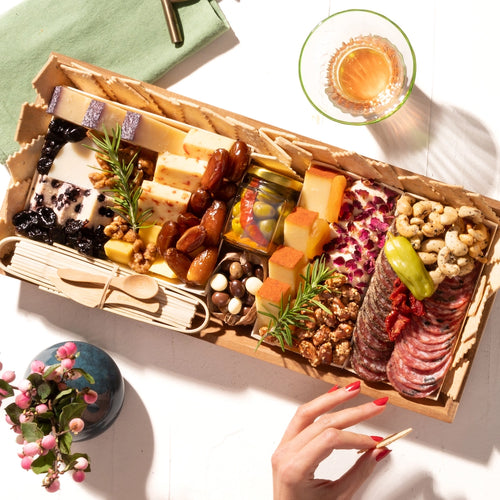
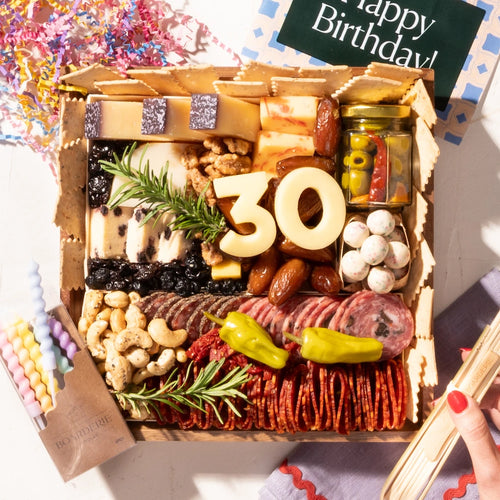
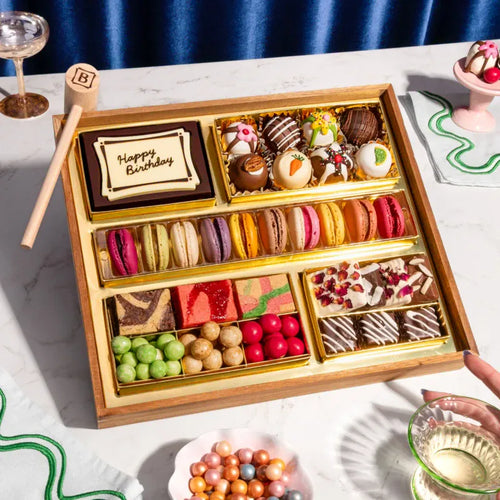
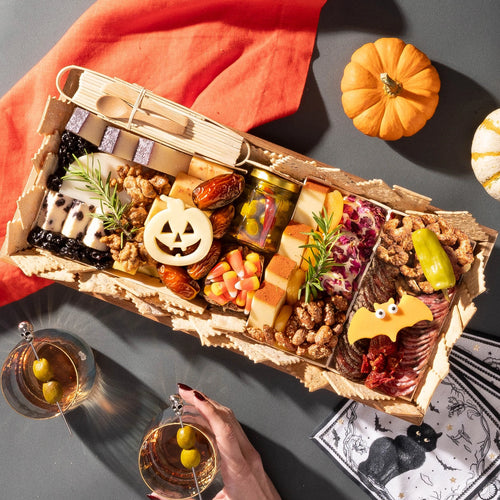


Charcuterie boards are one of the easiest and most enjoyable ways to serve food during outdoor parties and picnics. Whether you're planning a relaxed picnic in the park or a backyard celebration, a well-made board can bring guests together over a variety of textures and flavors. These require minimal cooking and let you showcase seasonal fruits, cheeses, and proteins. Plus, they can be made ahead of time and easily transported, making them ideal for casual entertaining. If you’re looking for summer charcuterie ideas, a board full of fresh ingredients can make any gathering feel special without much effort.
Seasonal Ingredients to Brighten Summer Boards
The types of cheeses, meats, fruits, vegetables, nuts, and accompaniments commonly recommended for summer charcuterie boards, with an emphasis on seasonal and picnic-friendly options.
Fresh Produce Picks
Summer offers a wide range of colorful fruits that can brighten any board and add juicy contrast to cheeses and meats. Watermelon chunks, sliced mango, blueberries, raspberries, and fresh cherries taste delicious while also bringing vibrant color to your spread. These ingredients are perfect for hot days. You can skewer fruits on small sticks for easy snacking or layer them loosely in sections for a more rustic look. When building a picnic charcuterie board, incorporating seasonal fruit keeps it light without being overly filling.
Choosing Warm Weather-Friendly Cheeses
Cheese is a must-have on any board, but hot weather means choosing varieties that won’t melt too quickly or lose flavor. Hard cheeses, such as Manchego, aged Cheddar, Gouda, and Parmesan, retain their shape when stored outdoors and pair well with crisp fruits. Soft cheeses such as goat cheese and feta are still great options if kept cool until serving. Cutting them into bite-sized pieces or placing them in jars with olive oil can help maintain their texture. For clever party platter ideas, pair cheeses with fruits or nuts that complement their flavors without requiring extra preparation.

Complementary Crackers, Breads, and Crisps
Every good board needs a sturdy base for cheeses and spreads. Select a few types of crackers and breads that offer a crunchy texture without going stale too quickly. Whole grain crisps, baguette slices, pita chips, and gluten-free options ensure everyone can find something they enjoy. Adding breadsticks or seeded crackers can give the board a more artisanal feel without extra cost or effort. Keeping a mix of textures also helps balance creamy and juicy ingredients. To build a truly simple appetizer platter, variety in crunch plays a huge role in the overall eating experience.
Fun Proteins and Crunchy Vegetarian Alternatives
While salami and prosciutto are popular choices, plant-based proteins and crunchy additions can be just as satisfying. Try marinated tofu cubes or spiced nuts for flavor. These options hold up well outside and require minimal handling. You might also include rolled turkey slices or bite-sized chicken skewers. These choices add satisfying substance to a picnic food board, helping to keep guests full while offering something for everyone’s taste.
Smart Layouts for Picnic and Party Settings
Assembling a Large Charcuterie Board
When creating a board for a crowd, starting from the center makes organizing much easier. Place the visual anchor, usually a large wedge of cheese or a bundle of grapes, in the middle and build outward from there. This approach draws attention while maintaining a balanced approach across the board. Using odd numbers of items helps create visual interest, and grouping foods by texture can make the layout more intuitive. Large grazing board ideas provide ample space to get creative, ensuring guests can easily access every section.
Color-Blocked Zones
Grouping reds, greens, and neutrals into distinct areas ensures that sweet fruits don’t mingle with savory items unless intended. Keep strong-smelling cheeses apart from milder ones, and give sauces or dips their own containers to avoid soggy crackers or unwanted spills. If you're looking for tidy yet attractive cheese tray ideas, using mini bowls as natural dividers is a great solution that enhances form.
Compact Cheese Trays
Using trays that fit into coolers or wrapping ingredients in wax paper parcels makes packing simple. Stackable containers and mini boards allow you to prep multiple sets ahead of time. Bento boxes or sectioned food trays are beneficial when you want to serve a variety of items without occupying too much space. If you're crafting a charcuterie picnic box, it’s helpful to stick with fewer items that are easy to assemble once you arrive at your destination.
Preserve Freshness Outdoors
Keeping food fresh during outdoor gatherings demands smart preparation and the use of proper containers. Below are several essential strategies:
-
Sealed Jars: One of the most effective ways to preserve dips, dressings, and marinated items is by using tightly sealed glass jars or leak-resistant containers. These vessels prevent spills during transport while shielding contents from contaminants. Additionally, glass helps retain cooler temperatures longer than plastic, providing an extra layer of protection against spoilage. You can also label them for convenience and place them directly on the board for a rustic, no-fuss presentation.
-
Pre-Chilling Ingredients: Chilling your ingredients in advance is crucial for maintaining freshness throughout the event. Refrigerate meats, cheeses, fruits, and even serving platters for several hours before packing. This pre-chill helps lower the starting temperature of your items, giving you a head start in keeping them safe outdoors. Once packed, store your board in an insulated cooler or with ice packs to maintain the low temperature until it's time to serve. Keeping perishable items cool for as long as possible minimizes bacterial growth and extends both taste and visual appeal.
-
Layering Wet and Dry Items: Combining foods with differing moisture levels can quickly lead to soggy textures and flavor cross-contamination. Use barriers to separate juicy fruits, brined cheeses, or moist veggies from crackers, nuts, or breads. These act as moisture shields and keep items crisp until serving. Layering doesn’t just help with preservation. It also adds structure to your layout, preventing items from sliding or blending together in transport.
-
Storing Crunchy Items Separately: To keep your crisp items from going soft, store them separately until you're ready to serve. Moisture in the air or from nearby ingredients can easily be absorbed by dry items, compromising texture within minutes. Use breathable containers with moisture-absorbing inserts or small food-safe paper bags to preserve crunch.
-
Using Reusable Containers: Packing your grazing board components in divided or stackable containers makes setup easier while offering built-in protection against shifting or crushing during transport. Bento-style boxes, collapsible silicone trays, and eco-friendly multi-compartment carriers allow you to separate flavors and temperatures with precision. These are also ideal for repacking leftovers or collecting waste, promoting sustainability at your event. Reusable options make it easy to stay organized while reducing single-use packaging, which is especially valuable for outdoor events where cleanup may be limited.
With a few strategic packing techniques and the right gear, freshness becomes one less thing to worry about, letting you focus on sharing good food and great company.
Themed Charcuterie Ideas for All Guests
Creative board ideas and themes, such as family-friendly boards, dessert boards, and boards inspired by specific occasions or dietary preferences.
Family-Friendly Boards
When building a board with kids and families in mind, adding playful elements can make the experience more enjoyable for everyone. Think finger-friendly foods like mini cheese cubes, seedless grapes, baby carrots, and rolled deli meats. Using cookie cutters to shape cheese or fruit can turn ordinary items into fun shapes that spark interest. Small spreads, such as hummus or ranch dip, in tiny jars give children a sense of independence as they create their own bites. The goal of a family-friendly charcuterie setup is to encourage curiosity and interaction while making sure the board remains satisfying for guests of all ages.
Elegant Cheese Charcuterie
Select a few bold cheeses, such as Brie, Stilton, or aged Gouda, and pair them with complementary elements like fig jam, rosemary crackers, and fresh figs or olives. Focus on flavor depth and subtle contrasts. Instead of offering a wide variety, aim for a curated feel with quality ingredients that shine on their own. A well-balanced cheese charcuterie board with carefully chosen items can elevate a simple afternoon and make your outdoor setting feel like a fine dining experience.

Light Fruit and Cheese Platters
A refreshing blend of fruit and cheese hits the spot without feeling too heavy. When the temperature rises. Pairing juicy strawberries, pineapple slices, and kiwi with light cheeses like mozzarella pearls or herbed goat cheese creates an airy, summery profile. This type of board is ideal for early brunches or mid-afternoon snacks when guests are seeking something that’s both flavorful and hydrating.
Hiking-Ready Picnic Food Boards
Portability becomes the top priority if your outdoor plans include walking or hiking. Layering individual portions of meats, cheeses, nuts, and fruits into small jars can offer a practical and stylish solution for eating on the go. These jarred boards are ideal for travel, as they prevent items from shifting in backpacks. For added convenience, silicone pouches or biodegradable containers are equally effective and easier to carry than large trays. Charcuterie board recipes prepared in advance help keep your snacks mess-free, even when the setting is a bit more adventurous.
Step-by-Step Assembly Tips for Outdoor Success
Practical guidance on arranging, styling, and assembling charcuterie boards, including how to create visually appealing layouts and maintain freshness for outdoor settings.
Timing and Sequencing Your Setup
Staying organized with your timeline can make all the difference when preparing food outdoors. Prep the day before by washing produce, slicing cheese, and storing items in airtight containers. The morning of your event, assemble parts of the board that hold up well in coolers, such as firm cheeses, cured meats, and sliced fruit. Delicate items, such as crackers, herbs, and softer cheeses, should be added last, just before serving. By following a loose sequence and prepping in layers, you reduce the chance of anything drying out or losing its texture. This method is especially helpful when planning a summer charcuterie board for events where the temperature must be carefully managed.
Tips for Styling
Styling a grazing board is as much about visual storytelling as it is about flavor pairing. Below are some creative but simple styling approaches:
-
Vertical Layering for Protein Presentation: When arranging meats like salami, prosciutto, or coppa, consider folding or loosely stacking them vertically. This not only adds dimension to the board but also makes each slice easier to grab without disrupting the overall layout. Vertical layering enables the eye to travel upward, adding height and variety to the board. You can create rosettes from thin slices or fan them in arcs to create movement. Placing these clusters alongside contrasting items like briny pickles or hard cheeses provides visual relief and flavor balance.
-
Breaking Cheese into Bite-Sized Portions: Large blocks of cheese can be intimidating and inconvenient for guests to cut themselves, especially at outdoor or casual gatherings. Pre-cutting cheese into hand-friendly portions such as cubes, triangles, or shards simplifies serving and encourages sampling. Soft cheeses can be scooped into rustic dollops, while harder varieties can be sliced into neat stacks or crumbles. By presenting cheeses in ready-to-eat shapes, you eliminate mess and create a more accessible, guest-friendly experience. Also, varying the shape of each type of cheese adds dimension to the board.
-
Filling Gaps with Herbs and Edible Flowers: Empty spots on your board can make the layout feel incomplete or unbalanced. Instead of cramming more food into tight corners, try filling negative space with sprigs of rosemary, thyme, or basil. Edible flowers such as pansies or nasturtiums add a fresh, organic flair and introduce unexpected pops of color. These small embellishments lend the board a garden-inspired feel, signaling freshness and care. They also help frame clusters of food and act as natural dividers without adding extra bulk.
Small styling choices can make a dramatic difference in both presentation and functionality. Thoughtful styling is an extension of hospitality that enhances every shared bite.
Food Safety Musts
Use insulated bags and coolers for transportation, and avoid leaving perishables in direct sunlight. Arrange your table under a shady spot or use umbrellas and tents to protect the board. Wooden or bamboo trays are well-suited for outdoor settings because they don’t retain heat and are easy to carry. Cold packs under the serving board can help maintain safe temperatures. Avoid using soft cheeses that spoil quickly unless you have reliable cooling methods on hand.
Budgeting and Shopping for Effortless Elegance
Recommendations for choosing affordable yet high-quality ingredients, as well as tips for shopping efficiently for charcuterie board supplies.
Affordable Staples
Finding quality ingredients doesn’t have to be expensive, especially when you shop with a bit of intention. Farmers' markets offer seasonal produce at prices often lower than grocery stores, and the direct-to-consumer model ensures a higher level of freshness. Shopping locally also gives you the chance to try new foods you might not have considered before.
Flavor Boosters
Even a basic board can be transformed with a few flavorful additions. Including small portions of bold condiments can enhance each bite without much extra cost. A spoonful of spicy chutney, a drizzle of honey, or a dollop of homemade pesto can elevate even the most common pairings. Pickled vegetables also add a burst of tang that complements rich cheeses and meats. These extras add variety without requiring large quantities, keeping your board exciting. For those exploring cheese board ideas, unexpected flavor boosters bring complexity without complicating the setup.
Frequently Asked Questions
Bringing a charcuterie board to a picnic or outdoor gathering requires a little planning to keep everything fresh, safe, and delicious. Below are answers to some of the most common questions about safely transporting and storing charcuterie boards in warm weather.
How should I transport a charcuterie board to a picnic or outdoor party?
Pack ingredients in airtight containers or glass storage boxes to prevent shifting and spills. Arrange foods as you would on the board, then assemble or transfer them to your serving platter upon arrival.
What’s the best way to keep ingredients cold during transport?
Use insulated cooler bags or boxes with ice packs to keep perishable items chilled. Pre-chill your ingredients and containers before packing for maximum freshness.
How can I prevent crackers and bread from getting soggy?
Store crunchy items like crackers and breadsticks in separate, breathable containers or food-safe paper bags. Add them to the board just before serving to maintain crispness.
How do I keep fruits and cheeses from mixing moisture and becoming soggy?
Separate juicy fruits and moist cheeses from dry items using wax paper, parchment, or food-safe dividers. Layering wet and dry foods prevents sogginess and preserves texture.
Are there specific containers that work best for charcuterie board transport?
Divided, stackable, or bento-style containers keep ingredients organized and protected from crushing. Glass jars are ideal for dips and marinated items, helping avoid leaks and maintain cool temperatures.
What should I do to keep food safe and fresh in hot weather?
Keep your board shaded and out of direct sunlight. Use cold packs under your serving tray and avoid leaving perishable items out for extended periods.
Can I prepare my charcuterie board in advance?
Yes—prep and chill ingredients the day before, storing them in airtight containers. Assemble the board on-site, adding delicate or perishable items last for the best presentation and freshness.

The beauty of a charcuterie board lies in its ability to create shared experiences through food. Guests are drawn to its inviting layout, where every bite feels like a personal discovery. Whether served at a picnic table or unwrapped from a cooler in the park, a well-assembled board adds personality and charm. Even the most straightforward items for a charcuterie board can feel special when presented with attention to detail, helping guests connect through the pleasure of delicious food.
