


Crafting an Italian charcuterie board is a delightful way to bring the rich flavors of Italy to your table. A well-crafted board becomes a feast of Italian cheese and meat favorites, featuring savory cured meats, aged cheeses, briny olives, and crusty bread. It’s a crowd-pleasing centerpiece that suits any gathering, offering a variety of tastes and textures for guests to enjoy. In this guide, we’ll explore plenty of Italian charcuterie board ideas to help you create an authentic spread with Mediterranean flair. Whether you’re hosting a casual get-together or a festive dinner, an Italian-style board delivers bold flavors and a touch of la dolce vita to everyone’s palate.

What Is an Italian Charcuterie Board?
In Italy, the tradition of the antipasto (literally “before the meal”) is very similar to what many know as a charcuterie board. An antipasto platter is the Italian version of a charcuterie spread. Both typically include a variety of cured meats, cheeses, and bite-sized accompaniments arranged for sharing. The charcuterie and antipasto platter serves the same role. A selection of appetizers meant to stimulate the appetite and encourage communal enjoyment. The main difference lies in their origins: charcuterie is a French term that initially focused on cured meats, whereas antipasto is Italian and traditionally includes not just meats but also cheeses, marinated vegetables, olives, and bread as part of the starter course. In modern entertaining, the lines have blurred, and an Italian antipasto board is essentially a charcuterie board, Italian-style, built around Italian ingredients and flavors.
You’ll typically find Italian charcuterie board ingredients such as cheeses, cured meats, olives, pickled or marinated vegetables, and bread or crackers as the foundation. These elements provide a balance of creamy, salty, tangy, and crunchy bites. Of course, there is plenty of room for regional and personal variation. In coastal regions of Italy, you might see seafood like anchovies or tuna on the board, whereas inland areas might feature local game or specialty cured sausages.
Italian Meats for a Charcuterie Board
Foremost is prosciutto, the silk-thin, air-cured ham that practically melts in your mouth. No generous charcuterie board with prosciutto would be complete without this sweet-and-salty delicacy, often considered the highlight of an Italian meat platter. Prosciutto’s delicate texture and balanced flavor make it a luxurious centerpiece; you can drape the slices invitingly or even twist them into rosettes for visual appeal. Alongside prosciutto, include a selection of salami to offer a range of tastes. Salami is a broad category of cured sausage, and you can showcase both mild and spicy examples. Genoa salami provides a garlic-forward, smooth taste, while the salami and cheese board has favorites like:
- Calabrian Soppressata: For those who appreciate a bolder experience, introduce Calabrian soppressata. This southern Italian salami delivers a notable kick of heat from red chili peppers, providing a striking contrast to milder options and adding a spicy dimension to your meat selection. Its robust and intense character is a highlight on any Italian-style charcuterie board, pairing beautifully with creamy cheeses.
- Mortadella: A true classic from Bologna, mortadella offers a delicate, spiced aroma and a luxurious richness that sets it apart. This large pork sausage is traditionally studded with pistachios, adding a subtle nutty flavor and a pleasing visual element. Its finely ground texture and subtle seasoning make it a versatile choice that appeals to a wide range of palates. Mortadella provides a gentle counterpoint to the more assertively flavored cured meats, contributing a unique and satisfying depth.
- Capocollo (Capicola): This seasoned and dry-cured pork shoulder is a must-have for its tender bite and deeply satisfying flavor. Capocollo, also known as capicola, can range from subtly smoky to mildly spicy, depending on the curing process. Its marbled appearance and rich taste make it an excellent addition to the meat selection, providing a hearty and flavorful component that stands out.
- Bresaola: For a leaner, a more refined option, include bresaola. This air-dried beef from northern Italy introduces a refreshing beefy element to the board. Its delicate texture and savory profile pair exceptionally well with sharp cheeses, creating a delightful contrast. Bresaola is a sophisticated choice that offers a lighter alternative to the more traditional pork-based cured meats, making the charcuterie board more diverse and appealing to a wider audience.
- ’Nduja and Speck: Don't overlook the unique contributions of regional Italian specialties. Spicy, spreadable 'nduja from Calabria provides an exciting burst of chili heat and a soft texture that's perfect for spreading on crusty bread or crackers. Alongside this, thin slices of speck, a smoked prosciutto from the Alps, offer a subtle yet distinctive wood-smoked flavor. These additions bring an authentic rustic charm and a complex layer of tastes that truly differentiate your charcuterie board.
By featuring a variety, your Italian meat assortment will offer something for everyone. When arranging, you can fold the meats in different ways to create an attractive tapestry of reds and pinks on the board.
Italian Cheeses and Classic Pairings
Aim for a mix of textures and flavors to complement the meats. Aged hard cheeses bring salty, nutty notes, while fresh soft cheeses offer a mild creaminess. For example, Parmigiano-Reggiano contributes intense umami with its crumbly, nutty shards. In contrast, fresh mozzarella or its indulgent cousin burrata adds a cool, milky component that balances the saltier items. Sharp Pecorino Romano, made from sheep’s milk, delivers a salty bite that stands up well to cured ham and bold salami. You might also consider adding a rich blue cheese, such as Gorgonzola, which offers a tangy, earthy complexity and pairs wonderfully with a drizzle of honey or a sip of wine.
One of the simplest yet most satisfying combinations on your board will be a prosciutto and cheese platter, highlighting how well Italy’s cured ham goes with a creamy cheese. Prosciutto is famously served with mild cheeses. Try laying out paper-thin Prosciutto di Parma alongside slices of fresh mozzarella di bufala for a beautiful contrast. The delicate, sweet-savory prosciutto and the milky mozzarella create a perfect harmony on the palate. You can arrange them together on a small plate as a feature on your board, maybe with a few basil leaves or cherry tomatoes, to evoke a Caprese-style twist. Other classic pairings include prosciutto or speck wrapped around fruity accents, but simply pairing prosciutto with good cheese and bread is an Italian staple.
Beyond that signature duo, offer at least a few different cheeses to give variety. Semi-soft cheeses like Fontina or young Taleggio provide a distinct flavor and texture. A mild provolone or even an imported Italian Asiago can be great for those who prefer something less intense than blue cheese. If you want an extra-indulgent touch, a truffle-infused cheese will add an earthy aroma that screams Italian luxury. By curating a selection of cheeses from soft to hard, mild to bold, you ensure that your Italian cheese and meat board has a well-rounded flavor profile.

Breads and Other Accompaniments
What truly makes an Italian antipasto or charcuterie spread shine are the charcuterie board ingredients beyond meat and cheese, like the breads, olives, vegetables, and condiments that tie everything together. Include some good bread or crackers as a vehicle for all those delicious toppings. Bite-sized crostini are perfect choices. Plain artisan crackers or focaccia chunks also work well, as they provide a neutral base that won’t overwhelm the other flavors. Having a variety of breads gives your guests options for building their perfect bite.
Fresh produce, both fruits and vegetables, should also make an appearance to lighten the board and add a touch of sweetness or crunch. Juicy fresh figs or ripe melon slices are famously paired with prosciutto. The sweet fruit and salty ham combination is a beloved Italian classic. Grapes, berries, or slices of pear and apple not only complement many cheeses but also cleanse the palate between savory bites. For vegetables, consider cherry tomatoes, crisp cucumber slices, or even seasonal specialties like grilled zucchini strips or fennel. In cooler months, segments of blood orange or persimmons drizzled with honey can be an elegant nod to Italian winter produce. To complete the cheese and prosciutto platter vibe, don’t forget a few spreads and nuts. Even a few candied nuts or chocolate-covered almonds can surprise the palate and work nicely with aged cheese. Italian grazing board arrangements often include these little extras to ensure every bite has contrast.
Mediterranean Grazing Board Inspiration
The Mediterranean way of eating emphasizes variety and communal experience, and your Italian spread can embody that spirit. You can include a few prepared dips or spreads to channel the feeling of a meze or tapas-style feast. Hummus or tzatziki might not be Italian, so instead consider Italian dips like basil pesto, an olive tapenade, or even a caponata served in small bowls on the board. These additions contribute extra layers of flavor, making your board feel abundant and inviting.
Arranging and Presenting Your Board
By treating your board as a canvas, you can create a visually stunning and abundant spread that invites guests to indulge. Thoughtful arrangement, strategic placement, and a focus on variety will elevate your charcuterie from a simple snack to a memorable culinary experience.
- Start with a Solid Foundation: Begin by selecting an appropriately sized board or platter; a beautiful wooden or marble surface enhances the rustic-meets-elegant aesthetic. Position any small bowls designated for olives or spreads first, as these act as anchors for the larger components. Once these are in place, arrange your substantial items, such as cheeses and piles of meats, around them, ensuring a balanced and visually appealing display.
- Embrace the Principle of Variety: The true allure of a charcuterie board lies in its diverse offerings, so avoid clumping similar ingredients together. Instead, scatter different items across the board to create an appealing mosaic of colors and textures. This prevents any single ingredient from dominating the spread, fostering an exciting visual journey for guests as they survey the many delicious options available to them.
- Mix and Match Textures and Shapes: Introduce visual interest by varying the forms and consistencies of your ingredients. Combine thinly sliced, dry-cured meats with softer, more pliable options, folding or rolling them for artistic flair. Arrange cheeses of distinct shapes—a sharp wedge of Parmigiano, a soft round of goat cheese, or a sturdy cube of Taleggio—apart from each other to encourage the eye to explore the entire board.
- Add Height and Garnish for Dimension: Elevate your presentation by incorporating elements that add verticality and freshness. Roll or bunch salami slices into elegant rosettes or create flowing "rivers" of meat. Hard cheeses can be cubed or broken into rustic chunks, while softer varieties are best served whole with a dedicated knife. Tuck in small bunches of grapes, sprigs of rosemary, or basil to break up the monotony of meats and cheeses and add fragrant accents.
- Ensure Easy Accessibility for Guests: Pre-slice most items that require cutting, though a single, dramatic wheel of cheese can be left whole for visual impact. Provide essential tools like cheese knives, toothpicks, or small forks for easy serving. Keep a ready supply of small plates and napkins nearby, making the entire experience comfortable and effortless for your guests to enjoy.
- Prioritize Visual Appeal and Color Balance: Remember that "we eat with our eyes first," making color harmony a crucial aspect of your board's appeal. Thoughtfully arrange items to create striking contrasts, such as the rich red of salami against the pale green of olives, or the warm golden hue of dried apricots beside the ivory mozzarella.
By integrating these strategies, your cheese prosciutto platter will not only be a feast for the taste buds but also a captivating display of culinary artistry. Let your personal creativity guide you, always keeping balance and visual appeal at the forefront of your arrangement.
Easy, Authentic Grazing
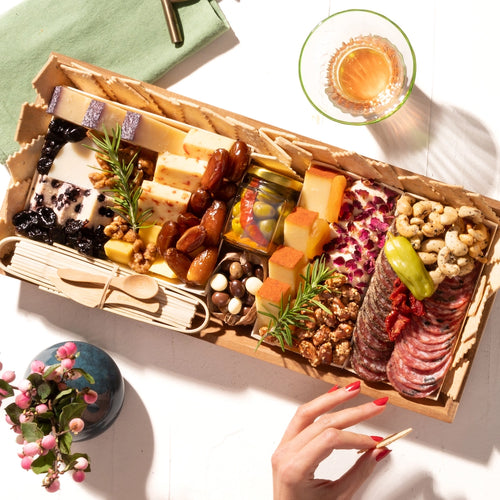
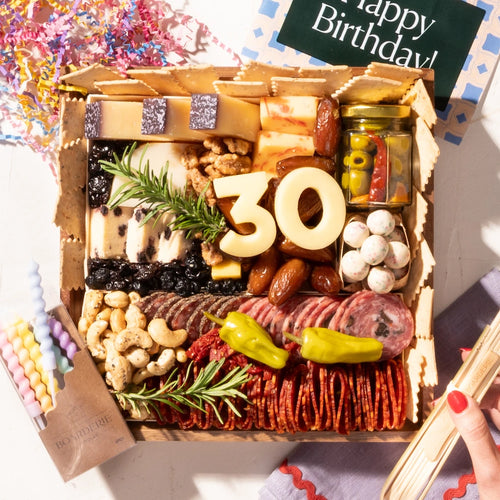
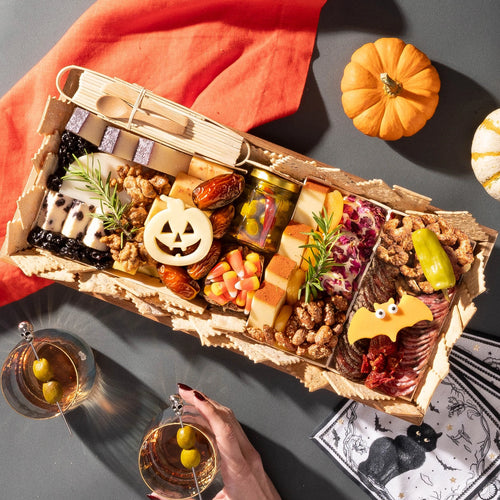
Some of the best boards are actually very simple – it’s all about quality ingredients and a pleasing mix. You can absolutely create an easy Italian charcuterie board with just a handful of well-chosen items. Remember that you can also enjoy the fruits of an Italian charcuterie board without doing all the shopping and arranging yourself. These days, it’s possible to order a charcuterie board online and get a curated assortment delivered to your door. For example, Boarderie offers artisanal ready-to-serve boards featuring high-quality cheeses, cured meats, and accompaniments. This is a convenient option if you want an impressive Italian antipasto platter but are short on time. Whether you take the DIY route or opt to order a prepared board, the result is the same: a convivial, delicious centerpiece that brings people together.

Creating an Italian charcuterie board is about embracing the rich culinary heritage of Italy and sharing it in a visually enticing, easy-to-enjoy format. By including a medley of genuine Italian meats, cheeses, and accompaniments, you’ll provide your guests with an edible tour of Italian terroirs – from the salty cured hams of Parma to the tangy aged cheeses of Tuscany and the sun-soaked olives of Sicily. Such a board is more than just food on a plate; it’s a celebration of flavor, tradition, and togetherness.
Sources
-
Curious Appetite – How to build the ultimate Italian charcuterie platter
-
Supermarket Italy – 10 Italian Meats for an Appealing Charcuterie Board
-
Eataly Magazine – How to Pair Prosciutto: 5 Ways to Serve It
-
My Chef’s Apron – An Italian-Inspired Grazing Board With 7 Antipasto Ideas
