
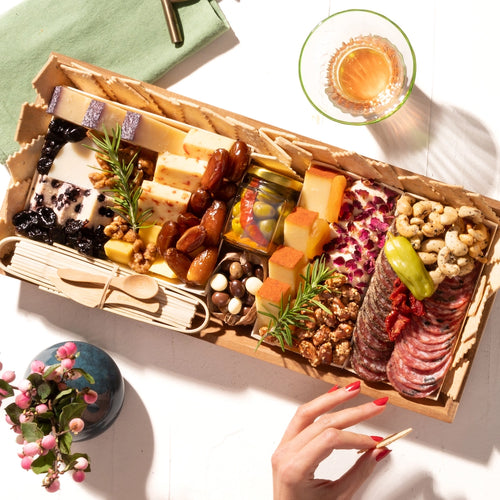
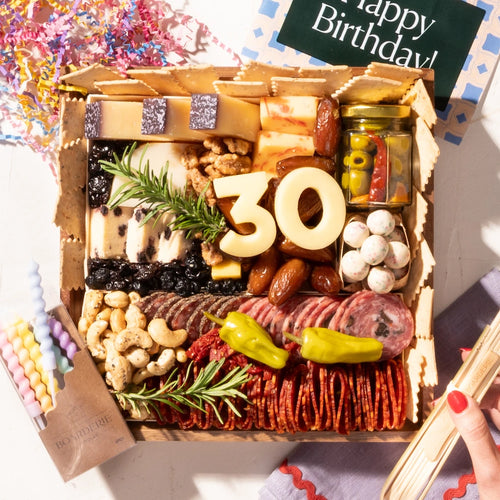
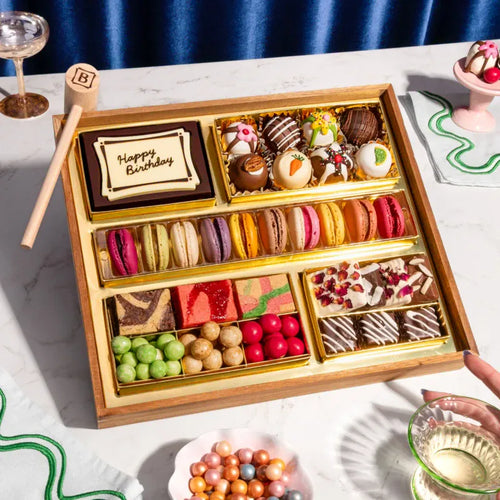
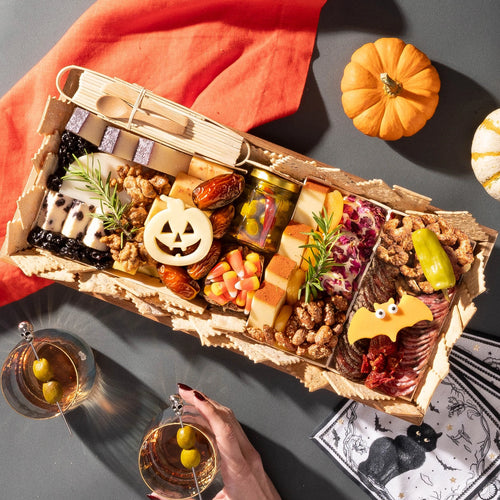


When you're pressed for time and guests are on the way, few things are more reliable than a charcuterie board. It doesn’t require cooking, and you can easily customize it using whatever ingredients you already have. Whether it's a casual hangout or an unexpected visit from friends, a well-arranged platter feels thoughtful and complete. Unlike hot dishes that require precise timing and reheating, this is typically served at room temperature, making it a stress-free option. If you’ve ever wondered how to make quick charcuterie without breaking a sweat, this approach is your answer.
The Essential Elements of a Simple Grazing Platter
The fundamental elements to include on a last-minute charcuterie board are a selection of cheeses, meats, fruits, and accompaniments that are easy to source and prepare quickly.
Three Contrasting Cheeses
A good charcuterie spread always starts with cheese, and variety is key to keeping it interesting. Choose three types that offer different textures and tastes: a creamy brie, a sharp aged cheddar, and a crumbly blue or goat cheese. This mix will satisfy a range of palates and create contrast on your board. Small wedges or sampler sizes work perfectly for simple cheese platter ideas. This trio lets guests choose something rich, bold, or tangy, depending on their mood. Add a few cheese knives and let people cut or scoop as they please.
Two Quick-Prep Meats
When time is short, pick meats that require zero prep but still feel elegant. Pre-sliced salami and prosciutto are ideal because they’re flavorful and ready to go. These meats add rich, savory depth and a hint of indulgence, making them the perfect contrast to fruits and cheeses. Fold slices into gentle ribbons or roll them into compact spirals to create a polished presentation. These charcuterie meat ideas work especially well for filling out space and offering a hearty bite, even when your guest list expands. Always keep a few packs in your fridge for moments when a board has to come together fast.
Sweet Produce and Dried Fruit
Fresh grapes, sliced apples, or dried apricots add color, natural sweetness, and a pleasing textural contrast to your board. Just make sure it’s clean and bite-sized. You can sprinkle in dried cranberries or dates for another texture. These choices add both visual appeal and balance, making your spread look complete and taste better overall. Including fruit also softens bold flavors and makes a meat and cheese platter more refreshing.

Crunch and Dip Pairings
Finish your platter with a few crunchy elements and a dip or two for a satisfying finish. Think crackers, breadsticks, and toasted nuts for texture. Add a ramekin of hummus or a mustard spread to elevate the experience. These extras offer something familiar and comforting, which balances out the bold or fancy items on your board. Together, they create a full-circle moment where every bite can be paired and layered. This makes it easier to build an easy cheese platter that feels special with very little effort.
Quick Drink Pairing Suggestions
When time is tight and guests are en route, selecting the right drinks to accompany your charcuterie board can feel daunting. The beauty of a well-chosen beverage is its ability to elevate the flavors and textures of your board, making the entire experience feel more intentional, even when assembled at the last minute. The key is to keep pairings simple, flexible, and crowd-pleasing, relying on versatile options that complement a range of cheeses, meats, and accompaniments. For wine lovers, you can’t go wrong with a classic red or white. A medium-bodied red wine, such as Pinot Noir or Merlot, offers enough structure to stand up to aged cheeses and cured meats without overpowering more delicate bites. These reds are approachable and widely available, making them a reliable choice. If you prefer white wine, opt for something light and crisp like Sauvignon Blanc or Pinot Grigio. These whites refresh the palate and pair beautifully with creamy brie, tangy goat cheese, and fresh fruit, balancing richness with acidity. If you have sparkling wine or Champagne on hand, even better. Bubbles are famously food-friendly and add a celebratory note, effortlessly pairing with salty, creamy, and savory flavors alike.
Not everyone drinks wine, so it’s smart to have a few non-wine options ready. Craft beer is a fantastic and often overlooked companion to charcuterie. Lighter styles like pilsners or wheat beers pair well with mild cheeses and fruits, while hoppier IPAs or amber ales can complement the boldness of sharp cheddar or spicy cured meats. For a refreshing non-alcoholic option, sparkling water with a splash of citrus (like lemon or lime) is both sophisticated and palate-cleansing. Iced tea also works well, especially if you add fresh herbs or fruit slices for a touch of flair.
If you’d like to serve a cocktail, keep it simple: a classic sangria, a straightforward margarita, or a bubbly spritz are all easy to assemble and offer broad appeal. These drinks can be made in batches and don’t require specialty ingredients, making them ideal for impromptu gatherings. For a touch of elegance, consider offering a limoncello spritz or a gin and tonic with fresh herbs. These drinks are light, refreshing, and enhance the flavors of both cheeses and charcuterie.
Portioning and Serving
When planning a quick charcuterie board for last-minute gatherings, estimating the right amount of food per person is key to ensuring your guests feel satisfied without overwhelming your table or your budget. As a general rule, if your charcuterie board is meant to be an appetizer, plan for about 3 ounces of meat and cheese combined per person. This allows everyone to nibble and enjoy a variety of flavors without filling up before the main meal. If the board is the main event, double this amount to 6 ounces per person to ensure hearty portions. Don’t forget to scale up slightly for larger groups or hungrier crowds. Rounding up is always better than running short, and leftovers are rarely a problem with cheese and cured meats. In addition to the main components, include a generous but not overwhelming assortment of extras such as crackers, bread slices, nuts, fresh or dried fruits, and pickled items. These sides not only add variety and texture but also help stretch the main ingredients further.
Food safety is just as important as flavor. Charcuterie boards are best enjoyed at room temperature, which brings out the flavors and textures of the cheeses and meats. However, perishable items should not be left out for more than 2 hours to avoid the risk of spoilage. If your gathering is outdoors or in warm conditions, aim to serve the board in shorter intervals, or set out smaller portions and replenish as needed from the fridge.
Smart Shortcuts and Budget-Friendly Hacks
Pre-Cubing Cheese and Using Store-Sliced Sticks
Consider grabbing pre-cubed cheese or slicing a block yourself in advance. For visual appeal, alternate cubed cheeses in small mounds or skewer them with toothpicks for quick grabbing. Store-sliced cheese sticks, like mozzarella or pepper jack, can also be stacked or twisted for variety. These choices simplify how to make quick charcuterie while keeping your board fuss-free when seconds count.
Rolling Deli Meats for Savory Rosettes
Take thin slices of turkey, ham, or salami and roll them into tight coils to mimic rosettes. Secure with a small skewer or toothpick for neatness, or fold them and tuck them into crevices on the board. This method creates volume and style without the need for extra ingredients or tools. It’s a small visual upgrade that feels intentional, even though it takes less than a minute per piece. Rolled meats turn a basic tray into a best charcuterie board brands that looks thoughtful without requiring chef-level skills.
Using Deli Charcuterie Kits
These kits are an excellent time-saver and usually cost less than buying each component separately. To personalize them, add one or two extras from your pantry or fridge, like a small ramekin of olives or a handful of pistachios. This slight upgrade gives the board your touch without much effort. A charcuterie kit can serve as a solid base when you’re caught off guard and need to assemble a platter in just a few minutes. Keeping a small basket or drawer stocked with charcuterie essentials can be a lifesaver. You only need to stash a few reliable go-tos that pair well with anything. That way, when surprise guests arrive, you can build from what’s already at home. A simple preparation makes it easier to pull together a quick party food spread without stress.
Fast and Easy Charcuterie Setup Tips
Methods for arranging and presenting ingredients attractively and efficiently, such as layout strategies, the use of small bowls, and the addition of garnishes to enhance visual appeal.

Placement Strategy
How you place items matters as much as what you include when arranging your board. Here are easy tips to help organize it effectively:
- Start with Visual Anchors: Every great board begins with a structural foundation, and placing your largest or most eye-catching items first is key. Anchor points act as visual and functional focal points. Positioning these elements at different corners or quadrants gives the board a strong framework to build around. This creates visual weight that balances the composition and offers natural stopping points for the eye. Once these anchors are in place, other items can be layered or nestled to create a cohesive feel.
- Use Curved Lines: Arrange items like crackers, sliced fruit, or vegetable spears in gentle arcs or curved lines to add a sense of motion and softness to your layout. Curves break up the rigidity of a square or rectangular board, guiding the eye smoothly across the display. Unlike straight lines, which can feel formal or staged, curves create a sense of casual elegance that’s welcoming and visually dynamic. This approach also makes it easier to create zones and keeps different elements from blending into one another. Soft waves of color and texture help maintain a natural, abundant appearance.
- Group Ingredients Into Themed Zones: Creating mini sections or “zones” for different types of food makes the board more intuitive and reduces the risk of cross-contamination of flavors. Grouping all meats in one area, all fruits in another, and cheeses in their own space allows guests to sample with clarity and ease. This method also enhances visual coherence by repeating colors and textures nearby. Each zone can include a variety of options within that category—for example, a citrus section with oranges and tangerines, or a cheese zone with aged and soft varieties. Themed clusters make the board feel intentional without being overly rigid.
- Avoid Overly Straight Lines: While structure is essential, avoiding rigid, geometric arrangements adds warmth and approachability. Straight lines can make the board feel stiff or overly curated, which can take away from the organic, abundant feel that grazing boards are known for. Instead, opt for slight angles, staggered placements, or curved edges. This technique maintains a fluid and layered layout, which is visually pleasing and encourages exploration.
- Let Ingredients Breathe: Negative space plays a vital role in board design. Rather than filling every inch, allowing small gaps between clusters gives ingredients room to stand out and prevents the board from looking crowded or chaotic. These open areas can also serve to guide the eye from one section to the next, acting as visual buffers. Strategic breathing space enhances the board’s presentation by adding balance and providing guests with clear access to select individual pieces. Think of it as visual punctuation that lets your best ingredients shine without distraction.
This method of arranging not only improves presentation but also enhances usability, helping your grazing board strike the perfect balance between form and function.
Duplication for Larger Crowds
Serving a larger group doesn’t require a massive board. Instead, repeat your layout on two or three smaller surfaces. This not only makes it easier for everyone to reach but also prevents traffic jams around one table. Use similar ingredient combinations but vary placement to keep things from looking too uniform. Select boards of various shapes for added variety. The repetition of the theme, not the exact layout, keeps your display cohesive. This technique helps turn a simple gathering into a smooth experience while preserving the charm of a simple cheeseboard for every guest.
Adding Garnish
Finishing touches can quickly elevate your board. Fresh herbs like rosemary sprigs, basil leaves, or thyme add vibrant color and fragrance. Even a few edible flowers can create a wow factor. Garnishes need just enough to spark interest. Strategically place them near corners or edges to avoid crowding the main items. These thoughtful accents transform ordinary ingredients into something extraordinary, instantly elevating any cheeseboard platter idea and making it ready for celebration.
Customization for Dietary Preferences and Freshness
Ways to adapt charcuterie boards for various dietary preferences and needs, including vegetarian, gluten-free, and locally sourced options, along with tips for freshness and safe storage.
Vegetarian and Gluten-Free Substitutes
Modern charcuterie is more than just meat and cheese. By offering a variety of dietary options, you show thoughtfulness and flexibility. Swap traditional salami with marinated tofu slices or roasted chickpeas for added texture and protein. Instead of using standard crackers, look for gluten-free crisps made from seeds or lentils. For cheese, include a plant-based wedge made from cashews or almonds alongside traditional selections. A well-balanced cheese board platter is about expanding what’s possible.
Keeping Cheese Tools
Use a different knife or spreader for each cheese, and avoid placing dips too close to meats if your guests are vegetarians. If someone has a gluten intolerance, make sure gluten-free items like crackers are clearly separated. Small efforts like these make a charcuterie board for guests feel safe for everyone. A little planning goes a long way in ensuring a stress-free experience for all.
Storing Perishables
When hosting an outdoor event or serving for several hours, managing the freshness of perishable foods becomes a logistical priority. Below are essential techniques:
- Choose Insulated Cooler Bags: A high-quality cooler bag is your first line of defense against spoilage. Opt for insulated models with thick padding, reinforced walls, and leak-proof linings to keep internal temperatures low for hours. Sturdy zippers and durable construction help retain cold air and prevent heat intrusion. Structured cooler bags also allow for organized packing, so you can stack containers neatly without squishing delicate items. Choose a size that suits your event and consider using separate bags for meats, cheeses, and produce to avoid cross-contamination.
- Pack Refill Portions: Instead of assembling your entire grazing board at once, prepare extra portions in clean, reusable containers. This makes it easy to replace empty sections without disrupting the rest of the display. Using containers with secure lids prevents leaks and keeps items hygienic until they’re needed. Stackable designs help maximize space in your cooler bag while allowing you to replenish items quickly. You can pre-portion dips, cheese slices, or fruit wedges so they’re ready to go without additional cutting or handling on-site. Keeping backup servings organized reduces stress during the event and maintains the integrity of the presentation.
- Use Frozen Bottles: To maintain safe temperatures inside your cooler, use a combination of frozen gel packs and water bottles. Frozen water bottles serve dual purposes: they act as cooling agents and provide a refreshing drink option as they thaw. Place cold sources around the sides and between containers to ensure even cooling, but avoid direct contact with delicate items like herbs or soft cheeses that may become waterlogged.
- Label Everything: During busy moments, especially at larger gatherings, clearly labeling your refill containers can save time and confusion. Use masking tape or removable labels to identify contents and note the corresponding board section or pairing suggestions. Labels also help if multiple people are assisting with setup or serving, ensuring consistency in presentation.
By incorporating smart storage techniques and refill strategies, you can extend the life and quality of your grazing board in any environment.

Buying Local Ingredients
Many small markets offer seasonal fruits, handmade cheeses, and artisanal meats that aren’t available in big-box stores. This adds uniqueness to your board while maintaining high quality. Explore ideas for creating themed or seasonal charcuterie boards that offer inspiration for adapting boards to different occasions or available ingredients. If you're lucky, some vendors even offer samples, helping you discover new favorites along the way. When you buy local charcuterie board ingredients, you're not only making your spread more personal but also contributing to your community’s food economy.
Lighting Ideas
Setting the right lighting can significantly alter the perception of your charcuterie board. If you're indoors, place your platter near a natural light source to let the colors pop. For evening gatherings, try using soft white fairy lights, candles, or a nearby lamp to create a cozy glow. Proper lighting also adds ambiance and makes the spread feel more special.
The best way to stay prepared for last-minute guests is to incorporate charcuterie into your ongoing hosting toolkit. Having a few essentials stocked can make assembling a board feel less like a scramble and more like a routine. Refrigerated items typically have longer shelf lives, giving you more flexibility when plans change unexpectedly. The key to pulling off a quick charcuterie spread is about being ready to improvise confidently. When you want a beautiful charcuterie spread with no prep, Boarderie delivers fully arranged, ready-to-serve boards that arrive fresh and guest-ready right out of the box.
