
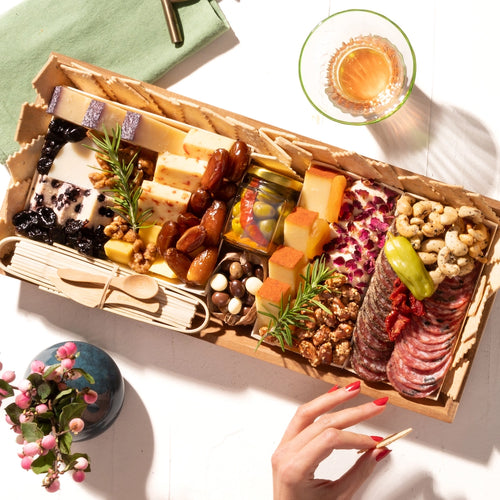

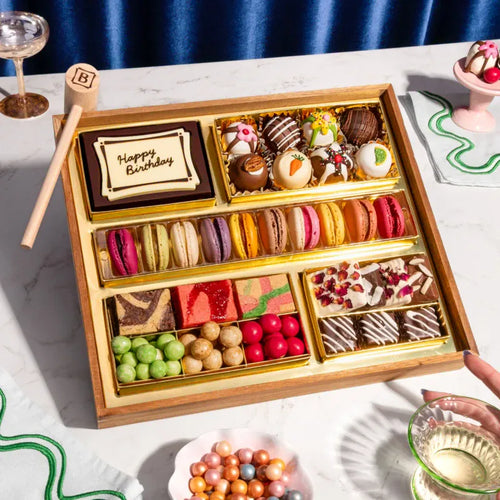
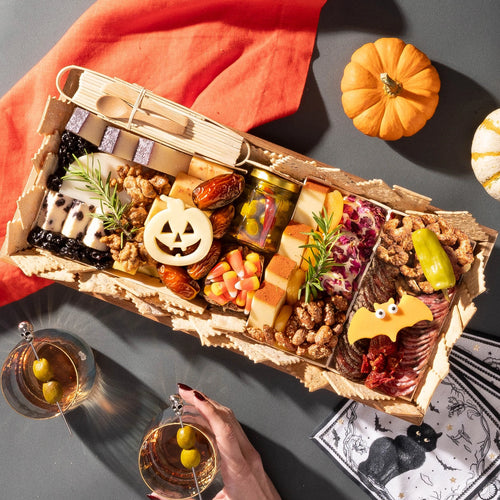


One of the most crowd-pleasing appetizers for any gathering is the meat and cheese board, often presented as a charcuterie board. A board with meat and cheese selections offers a little something for everyone. The key to a memorable charcuterie board is balance. You don’t want all spicy meats or nothing but rich, fatty slices. The great board artfully balances different charcuterie board meats in flavor, texture, and style. Charcuterie traditionally focused on preserved pork products, but modern boards have expanded to include everything from fruit and crackers to sweets. In this guide, we’ll explore how to make a charcuterie board that shines by balancing a variety of meat styles.

Understanding Charcuterie Board Meats and Styles
The word “charcuterie” comes from French and literally means “cooked meat,” referring to the age-old practice of curing meats to preserve them. Today, charcuterie contains all kinds of cured and prepared proteins across various cuisines. There’s a world of options for your board. Classic charcuterie meats generally fall into a few categories:
- Whole muscle cured meats: These are salted and air-dried cuts, typically served thinly sliced. Prosciutto and jamón Ibérico or Serrano are prime examples. These bring a tender bite and pure ham flavor.
- Cured sausages: This category includes meats like salami, soppressata, pepperoni, chorizo, saucisson sec, and other sausages made from ground meat and seasonings. They tend to be firmer and chewier, with bold flavors. Including at least one fine salami or similar sausage will add a nice, hearty texture and spice to your board.
- Cooked and smoked meats: Charcuterie isn’t all dry-cured. Items like smoked ham or French charcuterie meats, such as jambon de Bayonne or even smoked duck breast, can feature on a board. Mortadella is a cooked sausage that offers a smooth, aromatic contrast to the drier meats. These give a more delicate bite and often a welcome savory or lightly smoky note.
- Pâtés, terrines, and spreads: Soft, spreadable meat preparations are a cornerstone of traditional French charcuterie. Pâté de campagne, creamy liver mousse, rillettes, or even a spicy spreadable sausage like ’nduja fall in this group. These add a luxurious, rich element to your board. Just a small bowl or slice of pâté can introduce a completely different texture and depth of flavor.
By understanding these categories, you can better mix and match. Embracing this international palette of meats means your charcuterie board will have a compelling variety.
Balancing Flavors: Sweet, Spicy, Smoky, and Savory
Once you have a sense of the meat options available, think about the flavor profile of your overall board. A well-balanced charcuterie board teases all the taste buds. That means including a mix of mild and bold, sweet and salty, and maybe a touch of heat. The best boards offer a spectrum of flavors, charcuterie board meats and cheeses that range from delicate to intense, so no two bites are the same.
Include some milder, savory meats as well as bolder, spicier ones. For instance, prosciutto has a sweet-salty gentleness that pairs well with a more robust, garlicky soppressata or a pepper-crusted salami. Offering a plain cured ham and a spiced meat ensures guests who don’t enjoy heat have options, while spice-lovers won’t be bored. Cured meats tend to be salty by nature, so balance that with sweet elements. This doesn’t mean sugared meat, but consider meats with sweet spice notes or glazes. Some hams have a hint of sweetness. Even if your meats are purely savory, you can serve sweet accompaniments alongside to counter saltiness.
Charcuterie meats are often rich and fatty. Including something leaner or lighter can cleanse the palate. For instance, bresaola is much leaner than pork salami. Its beefy, slightly sweet flavor can provide a nice break from fattier pork-based meats. Even a few slices of roast beef or turkey pastrami can play this role. If you want a lighter twist, a turkey charcuterie board featuring smoked turkey breast, turkey salami, or turkey summer sausage, along with lighter cheeses and fruits, can be a refreshing alternative for health-conscious guests.
Balancing Textures: Tender, Firm, and Spreadable
Great charcuterie is a balance of textures. If everything on your board is thin and delicate, it can get monotonous, just as a selection of only hard, chewy sausages would be too much. Aim to provide a range of mouthfeel experiences: charcuterie board meats and cheeses that are silky, others that are dry and chewy, and some that you can spread or crunch. Adding a spread like pâté will offer a creamy, soft contrast to all those crunchy crackers and firm cheeses on your board.

Beyond the meats themselves, consider texture in the accompaniments as well. Nuts and bread bring crunch, while cheeses can range from creamy brie to crumbly aged gouda, contributing additional textural variety. The goal is that each bite can combine different textures, perhaps a meat and cheese board sample where a crisp cracker, a slice of silky ham, a crumble of firm aged cheese, and a dollop of honey create the perfect bite.
Selecting the Best Meats for Charcuterie Boards
With a foundation in flavors and textures, let’s talk about choosing the specific meats for your board. There is no single list of the best meats. It is really a mix that covers all the bases and suits your personal tastes. However, a common guideline is to include different styles to achieve the balance we’ve been discussing. Charcuterie pros often recommend selecting at least one from each major meat category. Culinary author Michael Ruhlman recommends offering a variety of textures by including a sausage, a cured ham, and a pâté or spread on your board. This simple rule ensures you have a little of everything: something dry and cured, something thin and fatty, and something soft and hearty.
How to Make a Charcuterie Board: Step-by-Step Setup
It’s time to assemble the board. Knowing how to set up a cheese and meat charcuterie board is as important as choosing the ingredients, because presentation affects how people enjoy the spread. Don’t be intimidated. Building a charcuterie board is more art than science, and you can arrange it in many creative ways. Here’s a step-by-step guide:
- Choose your board or platter: The foundation can be a large wooden cutting board, a marble slab, a slate board, or even a clean tray. Make sure it’s food-safe and large enough to hold everything without overcrowding. If you’re building a charcuterie board for a big party, you might even assemble it on a clean table surface covered with parchment. For smaller gatherings, a standard board works well.
- Place bowls for wet items: Before laying out meats, set down small bowls or ramekins for olives, pickles, mustard, or jam. It’s easier to position these first. Bowls also act as anchors on the board, and you can arrange meats around them. For instance, a bowl of olives or a jar of honey can be a focal point.
- Arrange the cheeses: Even though our focus is on meat, most charcuterie boards include cheese. Distribute cheese selections evenly around the board, slicing some in advance for ease. Vary the shapes. You might have one wedge of brie, a pile of cheddar cubes, and a log of goat cheese. By spacing them out, you ensure that the charcuterie board's meats and cheeses are available in every corner of the board. This way, someone grabbing cheese on one end can also pick up a meat next to it, keeping the experience cohesive.
- Lay out the meats: Now place your meats, the true stars. There are different techniques to make them visually appealing. Fold thin slices of prosciutto or jamón into loose ribbons or rosettes and arrange them in little piles. Salami slices can be fanned out in a line or concentric circles. If you have whole sausages like a dry chorizo, slice them thinly on a bias and stack or shingle the pieces. Spread the meats around the board rather than placing all of one type in one spot. Create multiple clusters of each meat in different areas. This encourages people to explore and helps balance the board’s look.
- Add accompaniments and fillers: Once meats and cheeses are placed, fill in the gaps with accompaniments. Tuck clusters of grapes or dried apricots in empty spaces, scatter almonds or walnuts for crunch, and add crackers or slices of baguette. Position some crackers near each cheese or spread so that every section of the board has a little of everything. Fresh fruit can add pops of color that make the board even more enticing.
- Garnish and final touches: A few sprigs of fresh herbs or some edible flowers can elevate the presentation. They don’t necessarily get eaten, but they signal freshness and make the whole board look abundant and appetizing. Also consider small labels or flags to identify the higher-end meats and cheeses, though it’s not required. The goal is that your guests feel drawn to the board and can easily pick up items and pair them.
When arranging, a useful guiding principle is the "rule of threes." This means trying to include about three types of meats, three types of cheeses, three types of starches, and three types of extras on the board. Sticking to this rule naturally creates a balanced variety without overwhelming you with too many choices.
As you set up, think about flow: people will be grazing from all sides of the board. Make sure similar items appear in multiple spots, as mentioned, and provide serving utensils where needed. If you’ve wondered how to set up a charcuterie board so that it stays neat, the answer is, it probably won’t stay neat once your guests dig in, and that’s okay. Part of the charm of a charcuterie board is its casual, abundant feel. Still, keep an eye out and refill or reposition items during the event if one area gets picked clean.
Bringing It All Together and Enjoying
Step back and admire your curated meat and cheese platter ideas come to life. A well-balanced charcuterie board is not only delicious but also a conversation piece. Guests will love discovering new combinations. Encourage this exploration. You can even suggest a few pairings with small signage or by pointing them out verbally: “Try that classic charcuterie meats saucisson sec with a piece of pear, it’s lovely!”
Remember that balance also extends to the overall experience. Serve your board with an assortment of drinks that suit the variety of meats. Perhaps a light red wine or bubbly to cut through the richness, or beer and cider, which pair great with cured meats. Provide napkins or small plates so people can gather a few items and step aside comfortably. The effort you put into balancing the charcuterie selection means each guest can tailor each bite to their liking: bold or mild, crunchy or soft, rich or light.
Know that you don’t always have to do it all yourself. If time is short or you want to treat yourself, you can buy a charcuterie board online and still get an excellent variety. Many specialty companies now order premium charcuterie boards straight to your door. For example, Boarderie is a service that delivers curated artisanal boards, arriving ready-to-serve on a wooden board. It’s among the best charcuterie delivery options for hosts who want a stunning spread with zero fuss. This way, you can experience an expertly balanced board and perhaps get inspiration for your own future creations. Whether you assemble it yourself or have one delivered, the joy of charcuterie is in sharing it.

Balancing different meat styles on a charcuterie board comes down to variety and mindful pairing. By mixing cured and cooked, pork and non-pork, spicy and sweet, soft and firm, you create a board that hits every note. The contrast of flavors and textures means every bite is exciting and satisfying. With the tips in this guide, you’re well on your way to charcuterie board mastery. So go ahead – start gathering your favorite meats, add a dash of creativity, and build a charcuterie spread that strikes the perfect balance. Your guests will savor the delicious diversity of your board and undoubtedly come back for more.
Sources
- WebstaurantStore – Best Meats for Charcuterie Board (context on modern vs. traditional charcuterie)
- Food & Wine – How to Build the Best Charcuterie Board (definition of charcuterie and global styles)
- MasterClass – How to Make the Perfect Charcuterie Board (importance of varied flavors and textures)
- Tasting Table – The Charcuterie Board Must-Have to Keep Textures Varied (pâté provides textural contrast)
- Food & Wine – How to Build the Best Charcuterie Board (advice to include a sausage, a ham, and a pâté for balance)
- Dairy Farmers of America – Ultimate Guide to Cheese Charcuterie Boards (the “rule of threes” for a balanced board)
