
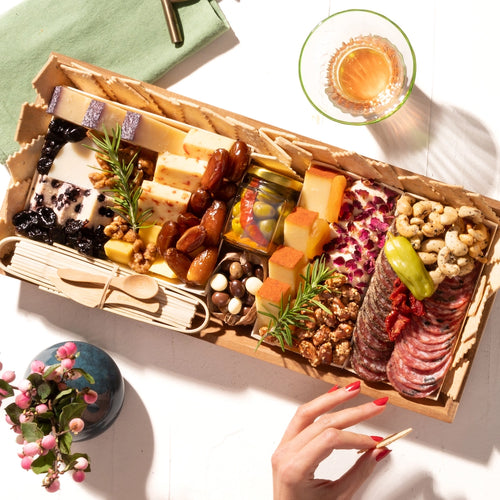
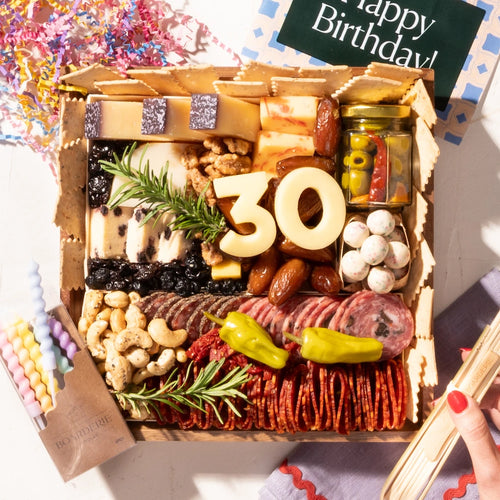
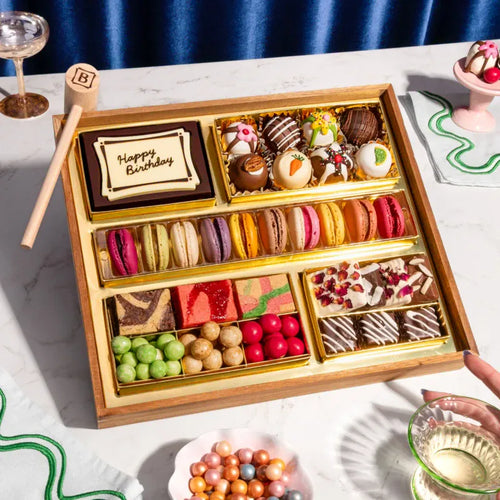
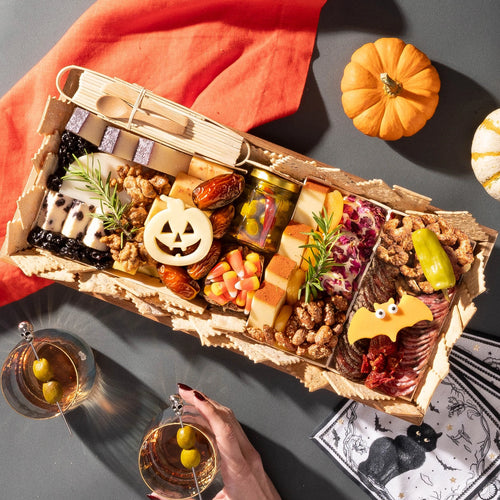


Grazing platters are lavish, shareable spreads of bite-sized foods artfully arranged on a board or tray. They’re essentially an expanded, curated cheese platter loaded with assorted cheeses, cured meats, fruits, nuts, crackers, and more. You might also hear them called grazing boards or charcuterie boards – although the terms are often used interchangeably, there is a slight distinction. A classic charcuterie board tends to focus primarily on meats and cheeses, whereas a grazing platter takes a broader approach and can include a wider array of ingredients like fresh fruits, veggies, breads, and dips.
Why Grazing Platters Are So Popular
These have become the ultimate party platter in recent years, and for good reason. First, they turn eating into an experience. The vibrant, overflowing arrangement is a conversation piece – guests inevitably gather around the board, oohing and aahing over the selection. This communal style of eating encourages mingling and casual interaction, unlike a formal sit-down meal. People can pick and choose what they like, creating their flavor combinations, which makes it fun and customizable. There’s a little something for everyone, from the foodie friend who goes straight for the gourmet blue cheese to the picky eater who’s happy with bread and grapes.

Another big reason for the craze is the “feast for the eyes” appeal. Grazing boards are extremely photogenic. Their colorful, artistic layout begs to be snapped and shared on social media. The trend of posting beautiful charcuterie and grazing boards online has only fueled more people to try it themselves. At the same time, these platters are very practical for entertaining. They’re easy for guests to graze on throughout a party – essentially functioning as a help-yourself appetizer board that can sustain a gathering for hours. There’s less need for multiple passed hors d’oeuvres or a complicated menu when you have one big, bountiful board to nibble from. And unlike single appetizers, grazing platters offer a variety of flavors all in one place, keeping taste buds excited. Versatility is yet another factor in their popularity. A grazing spread fits any occasion, whether it’s a casual movie night, a festive holiday party, a wedding reception, or even a business event. You can scale them up to a massive grazing table for a crowd or scale down to a small board for two.
How to Create a Simple Grazing Platter
One of the best things about grazing platters is that they’re surprisingly easy to put together. You don’t need to be a chef or food stylist. They’re highly flexible; you can honestly use whatever snacks and tidbits you have on hand to build a nice platter. Here’s a step-by-step guide:
- Start with a board or tray: You can use a large wooden cutting board, a serving tray, a slate board, or even a clean baking sheet as your base. Make sure it’s food-safe and big enough to hold all your goodies. If it’s a smaller gathering, even a dinner plate or two can work for a personal graze board.
- Pick a few cheeses and meats: For a classic grazing board, include 2–3 types of cheese and 1–2 types of cured meats. Slice or pre-cut them into bite-sized pieces for easy nibbling. Fold or roll the meats like salami or prosciutto so they’re easy to grab. If you prefer a meatless spread, you can skip the charcuterie and focus on cheese and plant-based snacks.
- Add fruits and veggies: Incorporate some fresh produce for color and freshness. Grapes, berries, apple or pear slices, and citrus wedges are popular choices for fruit. Veggies like cucumber slices, cherry tomatoes, or carrot sticks can also make an appearance. This is where you can really play with seasonal fruits for party platters. In summer, include juicy watermelon or peaches, and in fall, swap in figs, apples, or pears. Using what’s in season means better flavor and a nod to the time of year.
- Include crunchy and salty bites: Balance out the platter with an array of textures. Pile on some crackers, breadsticks, or sliced baguette for pairing with the cheese. Add nuts and pretzels for crunch. Briny items like olives or pickles are great little tangy accents that cut through the richness of the cheeses.
- Don’t forget something sweet and spreads: A few sweet elements make the board more exciting. You can use dried fruit or even a handful of chocolates or yogurt-covered almonds. Consider placing a small bowl of honey, fig jam, or another fruit preserve on the board – a drizzle of honey on blue cheese or a dab of jam on brie can be divine. Spreads and dips like hummus, pâté, or mustard can also be included in small ramekins to complement the other items.
- Arrange and fill in the gaps: Now for the fun part – arranging everything on the board. There’s really no wrong way to do this, but a few tips can help it look inviting. Place your bigger items, like cheese wedges or bowls of dip, spaced apart on the board. Then arrange slices of meat near the cheeses. Next, scatter fruits and veggies in groups, and fill any small gaps with nuts, crackers, or little sweets. The key is to make the board look full and abundant. It’s okay if items touch and overlap; that creates the lush, cornucopia effect that grazing platters are known for.
- Garnish for visual appeal: Add a few finishing touches to really make your platter pop. Tuck in some fresh herb sprigs or edible flowers in a few spots for a beautiful garnish. This not only adds color but also a subtle aroma. You could also sprinkle pomegranate seeds or cranberries for a burst of red color, depending on the season. Little details like these give your platter that polished, gourmet look.
Your simple grazing platter is ready to serve! Set it out with small plates and napkins for guests, and watch everyone happily graze away. There are no hard-and-fast rules. Feel free to improvise with whatever ingredients you love.
Dietary Preferences and Restrictions
Look for options made from cashews, almonds, or coconut oil, which offer creamy textures and nuanced flavors. For a protein-rich alternative to meats, consider marinated tofu cubes, smoky tempeh slices, or even vegan deli slices made from seitan or legumes. Roasted chickpeas, edamame, or spiced lentil “meatballs” can add savory, satisfying bites. Dairy-free needs can often be met with the same plant-based cheeses, but also consider spreads like hummus, baba ganoush, or white bean dip, which provide creamy, tangy elements without any milk products. For a nut-free board, consider seed-based options: sunflower seed butter or pumpkin seed pâté can serve as substitutes for nut spreads, while roasted pumpkin or sunflower seeds add a crunchy texture. Seed crackers deliver a satisfying snap and pair well with both sweet and savory toppings. Always check labels on packaged foods to ensure they’re truly nut-free, as cross-contamination can be a concern.
Gluten-free grazing is easier than ever with the abundance of specialty crackers on the market; look for rice crackers, corn crisps, or seed-based flatbreads that are labeled gluten-free. Sliced vegetables, such as cucumber rounds, bell pepper strips, or jicama sticks, make sturdy, fresh alternatives to bread or traditional crackers. For dips, ensure they’re thick enough to scoop and gluten-free—most classic hummus, guacamole, and salsas fit the bill. Aim for a mix of textures and flavors in every dietary category: include something creamy (like a vegan cheese or bean dip), something crisp (veggie sticks or seed crackers), something tangy or briny (pickled vegetables, olives, or caper berries), and something sweet (seasonal fruit, dried apricots, or date bites). The key is to group similar items together on the board and use abundant, colorful arrangements so no one feels like they’re missing out.
Layering and Texture Techniques
Layering isn’t just about piling food on top of food—it’s about using depth, height, and tactile contrast to create a platter that looks abundant, inviting, and full of character. Start by considering the base layer: arrange large items, such as cheese wedges, bowls of dips, or bunches of grapes, at different points on the board to establish a foundation and create visual anchors. Build upwards and outwards by stacking crackers or bread slices in overlapping fans or cascading lines. Texture plays a crucial role in making a grazing platter visually dynamic. Pair smooth, creamy cheeses with crunchy elements like nuts, crispbread, or seeded crackers. Place glossy olives next to matte slices of apple, or rest soft, fresh mozzarella beside wrinkled dried figs. The contrast between smooth and rough, shiny and matte, soft and crunchy draws the eye and keeps the arrangement interesting. Another technique is to cluster ingredients of similar colors or textures for a dramatic effect. These groupings create blocks of color and texture that stand out on the board, making the overall presentation more cohesive and bold.
Negative Space and Board Shape
The thoughtful use of negative space—intentional empty areas—can dramatically enhance the overall design and elevate the visual impact of your spread. Negative space acts as a visual breather, allowing the eye to rest and making the arrangement feel curated rather than cluttered. By leaving small gaps between clusters of ingredients or around feature items like a wheel of brie or a bowl of dip, you create clear focal points that draw attention and highlight the beauty of each component. This approach can also make the platter feel more approachable, as guests can easily spot and reach for their favorite items without feeling overwhelmed by a sea of overlapping foods. A round board naturally encourages a radial or circular arrangement, with items fanning out from the center or spiraling around a central focal point. This format is ideal for creating a sense of abundance and balance, as you can layer cheeses, meats, and fruits in repeating arcs, using negative space to separate different sections and maintain a harmonious look. Rectangular or oblong boards, on the other hand, lend themselves to linear arrangements, where ingredients can be grouped in rows or diagonal bands.
Selecting the Best Cheeses for Grazing Boards
Cheese is usually the anchor of any grazing or gourmet grazing board, so it’s worth putting some thought into your selection. You want a mix of flavors and textures to please different palates and to pair well with the other foods. Aim to include at least one from each of the following categories: a firm cheese, a soft cheese, and a bold or aged cheese. You might feature an aged firm cheese like cheddar or Gouda, a creamy soft cheese such as Brie or goat cheese, and something funky or sharp like a blue cheese.

Here are some cheese ideas within those categories: Firm cheeses could be cheddar, Manchego, Parmigiano-Reggiano, Gruyère, or aged Gouda – these are crowd-pleasers that pair with many foods. Soft cheeses include Brie, Camembert, fresh goat cheese (chèvre), or even a triple-cream cheese like Camembert or Saint-André for an indulgent treat. They bring a luscious, spreadable texture. Bold cheeses might be a blue cheese like Gorgonzola, Stilton, or Roquefort, or an aged pungent cheese like aged goat cheese or Taleggio. Not everyone will go for the intense blue, and that’s okay – having it there adds excitement for adventurous eaters, but you can also skip the blue if your group isn’t into it. Serve cheeses at room temperature for optimal flavor – remove them from the fridge about 30 minutes before serving, if possible.
Portion Sizes and Serving Tips
Planning portion sizes for grazing platters is important so you have enough food for everyone without vastly overdoing it. The amount to prepare depends on the number of guests and whether the platter is intended as an appetizer or the main course. A general rule of thumb is to allow roughly 3–4 ounces of food per person if the grazing platter is an appetizer, and about double that amount (6–8 ounces per person) if it’s intended to replace a meal. For an appetizer board, you might plan on about 2 ounces of cheese and 1–2 ounces of meat per person, plus handfuls of fruits, veggies, and accompaniments. For a larger grazing table that is the focal meal, you can scale those amounts up accordingly and offer a wider variety.
When setting up the platter, consider the flow of your event. Grazing platters are best put out at the beginning of a gathering and can remain available for a couple of hours. If the party lasts longer, it’s wise to refresh perishable items or swap in new dishes as needed. Keep food safety in mind: items like cheese and meat can be left out safely for approximately two hours at room temperature. If your event goes longer or is outdoors on a warm day, set the board out a bit later or bring it back in and cover it until needed, or nest the board on a tray of ice for a subtle chill. Another serving tip is to provide cheese knives, tiny tongs, or toothpicks for guests to pick things up, and small plates so they can assemble a few bites and move around. Many will happily hover around the platter, so ensure it’s placed on a stable surface at a comfortable height with space for folks to stand around and graze.
Creative Grazing Platter Ideas and Variations
Suppose you’re looking for inspiration beyond the standard cheese-and-charcuterie setup. Here are some imaginative grazing platter ideas to get your creativity flowing:
- Breakfast or Brunch Board: Who says grazing is only for afternoon or evening? A breakfast grazing board is a fantastic morning crowd-pleaser. Include items like mini bagels or croissants, cream cheese, fruit spreads, fresh berries, sliced melon, hard-boiled eggs, yogurt cups or parfaits, granola, and maybe even small pancakes or waffles. Don’t forget a carafe of orange juice or mimosa glasses on the side! It’s a delightful way for overnight guests or a brunch party to graze leisurely in the morning.
- Dessert Grazing Platter: Satisfy the sweet tooth with a dessert-themed board. This could feature an array of chocolates, truffles, cookies, macarons, and candies, alongside fresh fruits like strawberries, grapes, and dried mango. Add bowls of whipped cream, chocolate sauce, or caramel for dipping. You might also include cheeses that pair with sweet things (like a mild ricotta or mascarpone, or a chunk of dark chocolate cheese if you’re adventurous). A dessert graze board is perfect for a girls’ night in or as a show-stopping finale at a dinner party.
- Mediterranean Mezze Board: Give your grazing platter a Mediterranean twist by focusing on dips and small bites from that region. Think hummus, tzatziki, baba ganoush, stuffed grape leaves, feta cheese, olives, roasted red peppers, cherry tomatoes, falafel balls, and pita bread or pita chips. This type of board is loaded with flavor and is naturally vegetarian-friendly. It’s a nice change of pace from the typical cheese board and brings sunny, vibrant vibes to the table.
- Tex-Mex or Nacho Board: For a casual get-together, you can turn grazing into a DIY nacho or taco station. Cover a board with a layer of tortilla chips and small bowls of salsa, guacamole, queso dip, and sour cream. Add grilled chicken or beef strips, black beans, jalapeños, shredded cheese, and cilantro as toppings. Guests can build loaded nachos or even assemble mini tacos if you include small tortillas. It’s interactive, hearty, and a guaranteed hit for game nights!
- Themed Holiday Board: Match your platter to the season or holiday. For example, a Halloween grazing board could include cheeses cut into fun shapes, dark grapes, blackberries, pretzels (think “bones”), candy corn, and spooky decorated cookies. A Christmas board might feature red and green elements: think cranberries, pistachios, Brie topped with pomegranate seeds, gingerbread cookies, and winter fruits like pear and citrus. You can even add a small dish of seasonal jam (cranberry chutney for Thanksgiving, etc.). Themed boards are a wonderful way to celebrate occasions and impress guests with your attention to detail.
Regardless of the theme or style you choose, remember that balance and variety are essential. Mix and match flavors, textures, and food groups. The beauty of grazing platters is that they are totally adaptable.
Order Cheese Platters for Convenience
While creating your own grazing board can be fun, there are times when you might prefer to skip the work and let a professional handle the assembly. Perhaps you’re short on time, hosting a larger event, or you want to send a platter as a gift. The good news is, it’s very easy these days to buy grazing platter arrangements that come fully prepared and beautifully packaged. In fact, many companies and caterers now specialize in ready-made boards. With just a few clicks, you can buy grazing platters online and have an impressive spread delivered to your door. For example, Boarderie is a US-based service that offers gourmet cheese and charcuterie boards shipped nationwide; their boxes arrive fully arranged by chefs, sealed fresh, and ready to serve straight out of the package. Some providers even offer next-day delivery grazing platter options, which are perfect for last-minute occasions.

When ordering a pre-made platter, you’ll often have choices of size (e.g, for 2–3 people, 4–5 people, etc.) and style (all-cheese, cheese and charcuterie combo, vegetarian board, etc.). The platter typically comes with everything you need: an assortment of cheeses, meats, crackers, nuts, dried fruit, maybe even utensils, and a serving board. It’s a hassle-free solution, essentially “catering in a box.” Pricing can range from affordable to quite lavish, depending on the ingredients and size. While it may cost more than assembling one yourself, the convenience is hard to beat for busy hosts. If you do go this route, one tip is to transfer some of the items onto your own nice board or platter when it arrives.
Grazing Platters as Gifts
Beyond parties, grazing platters have also become a popular gifting idea. Instead of sending a typical fruit basket or box of chocolates, imagine surprising someone with an elegant charcuterie gift box or cheese board delivered to their doorstep! It’s an incredibly thoughtful present for birthdays, anniversaries, holidays, or to say thank you. You can send a cheese grazing gift to friends and family that lets them indulge in a ready-made feast. Many gourmet food companies offer giftable grazing boxes that include an array of cheeses, cured meats, and accompaniments packaged beautifully. The recipient essentially receives a portable party – all they have to do is open and enjoy.
Grazing gifts are great for sharing, too. Couples or families can graze together, making it a communal experience even if you can’t be there in person. After all, the best gifts are the ones you can share with others. When ordering a grazing platter gift, you can often include a personalized note, and some services allow you to pick delivery dates.
Grazing platters truly offer a perfect blend of ease, enjoyment, and elegance. They transform even a simple assortment of snacks into a visually stunning centerpiece, encouraging a laid-back, social dining atmosphere. Whether you decide to DIY a beautiful board for your next gathering or let a professional service handle the prep, you really can’t go wrong. Grazing platters are all about bringing people together over good food, letting everyone sample a variety of bites at their own pace. They’re flexible to whatever theme or ingredients you love, be it a rustic antipasto board or a sweet dessert spread.
Sources
-
nutritiontofit.comNutrition to Fit – How to Build a Grazing Platter (difference between charcuterie and grazing platter)
-
refinery29.comRefinery29 – You Can Stop Worrying: The Cheese Board Influencer Economy Is Doing Just Fine! (social media driving grazing board trend)
-
nutritiontofit.comNutrition to Fit – How to Build a Grazing Platter (flexibility of ingredients)
-
loveandlemons.comLove & Lemons – How to Make a Cheese Board (variety of cheese types to include)
-
pizzazzerie.comPizzazzerie – Summer Grazing Charcuterie Board (using seasonal summer fruits on a board)
-
saverygrazing.comSavery Grazing – What Is a Grazing Board & Why Are They Popular? (portion size guideline of 100g per person)
-
foodnetwork.comFood Network – 47 Best Holiday Gift Baskets 2024 (Boarderie’s fully assembled, ready-to-eat charcuterie boards)
-
delallo.comDeLallo – Gourmet Charcuterie Grazing Board (sharing grazing platters as gifts)
