


There is a particular kind of disappointment that comes with unwrapping a beautifully packaged food gift only to flip it over, scan the ingredient list, and realize you can't eat any of it. For the roughly 33 million Americans living with food allergies, and the tens of millions more who follow gluten-free, vegan, kosher, halal, or other specialized diets. This scenario plays out with frustrating regularity during holidays and corporate gifting seasons. The irony is that gourmet food remains one of the most universally appreciated gift categories. An estimated 10.8% of U.S. adults have at least one food allergy, and nearly half of those developed their allergy in adulthood. Factor in the growing number of people choosing plant-based, kosher, or halal diets for health, ethical, or religious reasons, and you're looking at a population that traditional gourmet gifting routinely overlooks. The global plant-based food market alone is valued at over $50 billion in 2025, and the kosher food market is projected to reach $28.71 billion by 2033. This guide is built for anyone who wants to send a gift that says I thought about you specifically, not just I grabbed something nice off a shelf.
Why Dietary-Aware Gifting Matters More Than You Think
Gift-giving triggers a surprisingly powerful neurological response. Both giving and receiving thoughtful gifts releases dopamine and oxytocin, the brain chemicals associated with pleasure and social bonding. But that effect rests on one word: thoughtful. A gift that someone can't use sends the opposite message, no matter how expensive or well-intentioned it was.
For people managing dietary restrictions, food gifts carry additional emotional weight. Many have spent years navigating social situations in which their needs were treated as inconveniences. Receiving a gourmet gift that actually accounts for those needs communicates something deeper than good taste.
This is especially true for people with severe allergies. Approximately 200,000 Americans visit emergency rooms for allergic reactions to food each year. Nearly 48% of food-allergic adults have multiple food allergies, making the stakes of a careless gift genuinely high. A box of artisan chocolates manufactured on shared equipment with tree nuts is a potential medical event. The good news is that the specialty food market has responded to this demand with remarkable creativity. A decade ago, "allergen-free" and "gourmet" rarely appeared in the same sentence. Today, the landscape looks completely different, with artisan producers' specialty brands creating products that are as indulgent as they are inclusive.

The Art of Finding Out What Someone Actually Needs
The simplest approach is often the best, but framing matters. Rather than a clinical "Do you have any food allergies?" try something like: "I'm putting together something special for you and want to make sure it's something you'll actually enjoy. Any foods you avoid or prefer?" This positions the question as personalization.
If you're gifting a colleague or acquaintance you don't know well enough to ask directly, a quick conversation with someone close to them usually provides what you need. Pay attention to what people order at restaurants, casually mention in conversation, or post on social media. Someone who consistently orders the gluten-free option at team lunches is giving you useful information.
Gluten-Free Gifts That Go Beyond Rice Crackers
Baked Goods and Confections
Italian producers have been particularly innovative in this space. Brands like those featured in specialty food importers' collections now offer gluten-free panettone, the traditional Italian holiday bread, made with alternative flours that preserve the airy, buttery texture of the original. Pair that with gluten-free chocolate-dipped citrus peels or amaretti cookies made with almond flour, and you've assembled a gift that feels luxurious rather than limited. For chocolate lovers, look for bean-to-bar producers who work in dedicated gluten-free facilities. Many premium chocolate makers are naturally gluten-free, but cross-contamination during manufacturing is common.
Savory Options
Gluten-free pasta gift sets featuring shapes like fusilli, penne, and linguine made from rice, corn, or legume flours pair beautifully with small-batch sauces and high-quality olive oils. A curated Italian pantry box gives the recipient everything they need for a memorable meal without a single grain of wheat.
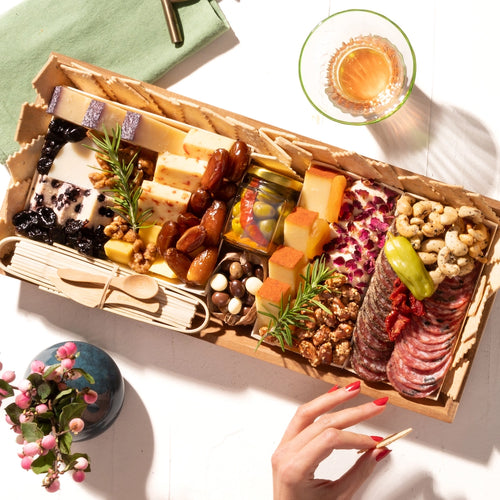
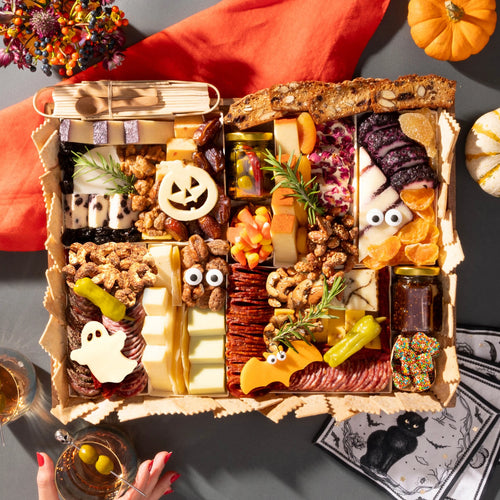
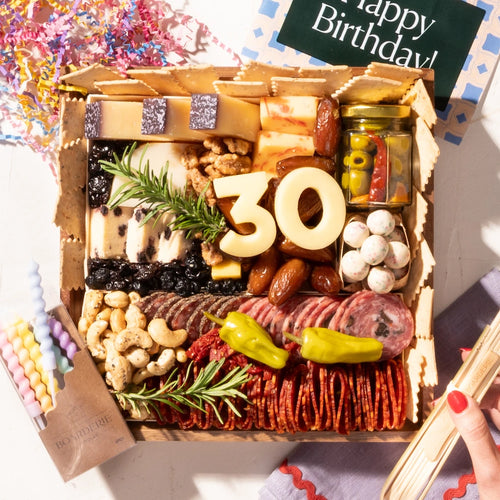
Artisan charcuterie and cheese boards also work well for gluten-free recipients, since most quality cured meats and aged cheeses are naturally free of gluten. The key is to ensure that any accompanying crackers or bread items are certified gluten-free. Companies like Boarderie, which ships fully assembled, chef-arranged charcuterie and cheese boards overnight, have recognized this need. Their curated boards include artisan selections that pair naturally with gluten-free accompaniments. Boarderie has built its reputation on presentation-ready boards that arrive fresh and photo-worthy, making them a strong option for anyone who wants to send an impressive spread without the guesswork of assembling one themselves.
Nut-Free and Allergen-Conscious Gourmet Picks
What "Nut-Free Facility" Actually Means
When shopping for nut-free gifts, the label "does not contain nuts" isn't always sufficient. Many products are made in facilities that also process tree nuts or peanuts, creating a risk of cross-contamination. Look specifically for products manufactured in dedicated nut-free facilities. This is the gold standard for allergy safety.
Several specialty producers have built their entire businesses around this standard. Gourmet popcorn makers like Poppingtons offer flavors ranging from classic caramel to white cheddar, all produced in nut-free, gluten-free environments. Divvies has carved out a niche in gourmet, peanut-free, vegan cookies, proving that dietary accommodations and indulgence aren't mutually exclusive.
Building a Top-8-Free Gift Box
The "Top 8" allergens—milk, eggs, fish, shellfish, tree nuts, peanuts, wheat, and soy—account for the vast majority of allergic reactions. Curating a gift box that avoids all eight is challenging but entirely doable. Consider including gourmet fruit preserves and honey, high-quality olive oil or flavored vinegars, artisan seed-based spreads, specialty hot sauces, and dried fruit or seed-based snack mixes. A fifteen-minute phone call to verify production practices can be the difference between a safe gift and a dangerous one.

Plant-Based and Vegan Gifts Worth Getting Excited About
The Rise of Artisan Vegan Cheese
Plant-based cheese has arguably seen the most dramatic quality improvement of any vegan food category. Cashew-based aged wheels, cultured nut cheeses with edible rinds, and smoked plant-based cheddars have moved from health-food-store curiosities to legitimate gourmet products. Plant-based cheese sales continue to grow as manufacturers invest in fermentation technology that produces more complex flavors and better melting properties. When gifting vegan cheese, presentation matters. A curated board with two or three varieties of plant-based cheese, paired with fig jam, marcona almonds, olives, and artisan crackers, rivals any traditional cheese plate for visual appeal and flavor complexity.
Vegan Chocolate and Confections
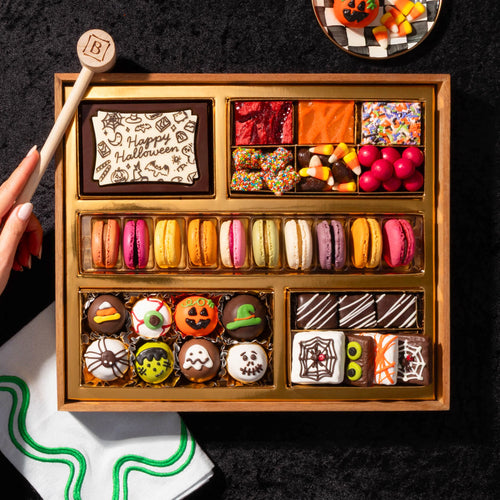
Dark chocolate is naturally vegan in many cases, but premium vegan confections go further. Truffles made with coconut cream, caramels using plant-based butter, and bonbons filled with fruit ganaches. Producers specializing in allergen-free chocolates now offer products that are free from the top eight allergens while delivering the richness and finish of traditional Belgian-style confections.
Pantry Luxuries
Some of the most appreciated vegan gifts are the kind of premium pantry staples that most people won't buy for themselves. Think single-origin extra-virgin olive oil, aged balsamic vinegar from Modena, high-quality spice blends, artisanal hot sauces, or specialty salts. These gifts have an extended shelf life and signal sophistication without requiring dietary research beyond confirming the ingredient list.
Kosher and Halal: Navigating Religious Dietary Laws
Kosher law (kashrut) divides food into categories, meat, dairy, and pareve (neutral), and prohibits combining meat and dairy. When gifting someone who keeps kosher, a pareve gift is often the safest choice because it can be enjoyed with any meal. Pareve items include fruits, vegetables, grains, eggs, and products certified as neither meat nor dairy.
Look for products bearing a recognized kosher certification symbol (the most common are the OU, OK, Star-K, and Kof-K marks). Nearly 31% of consumers who buy kosher products purchase them for perceived higher quality standards and stricter production oversight. This broader market has driven innovation, and today's kosher gourmet options span artisan chocolates, premium wines, craft snack collections, and specialty baked goods.
For both kosher and halal recipients, certification is the entire point. A product made with compliant ingredients but processed in a non-certified facility doesn't meet the standard. Always verify certification marks before purchasing, and when in doubt, stick to brands that specialize in certified products rather than mainstream producers that may offer a limited certified line.
Experience-Based Gifts That Sidestep the Ingredient List Entirely
Cooking classes focused on specific dietary styles make outstanding gifts because they're educational, experiential, and deeply personal. Many culinary schools and independent chefs now offer virtual classes that ship ingredient kits to participants' doors, pre-screened for specific allergens.
This category of gift also solves a common frustration for people with dietary restrictions. The limited recipe repertoire. Someone who has been gluten-free for years has likely exhausted their go-to recipes. A class that teaches new techniques and introduces unfamiliar ingredients has value that extends far beyond the session itself.
Specialty meal delivery services catering to specific diets have proliferated in recent years. A subscription to a service that delivers chef-prepared, allergen-specific meals weekly gives the recipient something valuable that most food gifts don't: sustained convenience. Instead of a one-time indulgence, they get weeks without having to plan, shop for, or cook compliant meals. When choosing a service, verify their allergen protocols. The best services allow customers to set detailed dietary profiles and process meals in allergen-controlled kitchens.
Wine and spirits tastings, olive oil sampling kits, specialty tea collections, and craft coffee subscriptions all offer gourmet experiences that are naturally free from most common allergens. A curated olive oil tasting set from different Mediterranean regions is gluten-free, nut-free, dairy-free, vegan, kosher, and halal.
How to Present a Dietary-Friendly Gift Without Making It About the Restriction
Presentation and Packaging
Invest in how the gift looks. A beautifully arranged selection of allergen-free artisan foods, wrapped in quality packaging with a handwritten note, signals care and intention. The same products tossed into a generic gift bag with a printed "ALLERGEN-FREE" label across the front tells a different story—one where the restriction is the headline rather than the thought behind it.
This is one reason pre-curated gourmet boards and professionally assembled gift boxes have become so popular. When someone opens a Boarderie charcuterie board or a well-designed specialty gift set, the first impression is this looks amazing. The accommodation is built in; the experience leads.
The Power of a Personal Note
A short, specific note transforms any food gift. Rather than a generic greeting, mention why you chose what you chose. This kind of specificity tells the recipient you were shopping for them.
Skip the Disclaimers
Resist the urge to over-explain your dietary awareness in the gift message. Phrases like "I know you can't eat regular chocolate, so I found these" inadvertently frame the recipient's diet as a problem you had to solve. Instead, let the gift speak for itself. If you've chosen well, the recipient will notice and appreciate the thoughtfulness without you having to narrate it.

A Quick-Reference Gifting Matrix
Matching gift categories to dietary needs doesn't have to be complicated once you know what to look for. Here are combinations that work across common restrictions:
- For gluten-free recipients: artisan cheese and charcuterie boards with certified GF crackers, bean-to-bar chocolate collections, Italian pantry sets with GF pasta, olive oil, and vinegar tasting kits.
- For nut-free recipients: seed-based snack collections from dedicated facilities, gourmet popcorn, nut-free baked goods, specialty hot sauces, fruit preserves, and honey sets.
- For vegan recipients: plant-based cheese boards, dark chocolate and confection collections, premium pantry staples (oils, vinegars, spices), artisan fermented foods, craft coffee or tea subscriptions.
- For kosher recipients: pareve-certified chocolate and confections, kosher wine, certified gourmet snack collections, premium dried fruit and nut assortments (with OU or equivalent certification).
- For halal recipients: halal-certified artisan meats, premium date collections, specialty tea and coffee sets, dual-certified kosher-halal snack assortments.
- For multiple restrictions: olive oil tasting kits, specialty salt collections, artisanal honey, high-quality spice blends, and experience-based gifts such as cooking classes or meal subscriptions.
The common thread across all of these categories is intentionality. The most memorable gourmet gifts are the ones that make the recipient feel seen. In a world where roughly one in ten adults manages a food allergy, and millions more navigate voluntary or religious dietary frameworks, that kind of thoughtfulness is overdue.
Sources:
- Prevalence and Severity of Food Allergies Among US Adults — JAMA Network Open
- Food Allergy Facts and Statistics — FARE (Food Allergy Research & Education)
- The Power of Gifting — Psychology Today
- Plant-Based Food Market Size — Precedence Research
- Kosher Food Analysis Report 2025 — GlobeNewsWire
- Halal Food Market Report 2026 — Research and Markets
- Plant-Based Retail Market Overview — Good Food Institute
- Epidemiology and Burden of Food Allergy — PMC/NIH
- The Etiquette of Gifting Diet-Specific Gifts — Healthy Hampers
- Allergy Statistics in the U.S. — Allergy & Asthma Network
