


When someone you care about is sick or recovering from surgery, the instinct to send flowers is almost automatic. It's a kind gesture, but it often falls short. Fresh bouquets wilt within days, and they don't do much to address what a recovering person actually needs: nourishment, comfort, and the feeling that someone thought carefully about their situation. This guide organizes get-well gift ideas by recovery type, explains the science behind why certain gifts actually support healing, and covers the timing and logistics that most people get wrong.
Why Recovery Type Should Shape Your Gift Choice
Post-Surgical Recovery
Someone healing from surgery has specific physiological needs. Nutrition plays a direct role in how quickly surgical wounds close and how effectively the body fights post-operative infection. The body demands extra protein for tissue repair, vitamin C for collagen synthesis, and zinc for skin regeneration and immune response. Vitamins A, C, and zinc positively influence every stage of wound healing, from inflammation through tissue remodeling.
Gifts that support this recovery should lean toward nutrient-dense foods. Think high-quality cheeses and nuts rich in protein and zinc, dried fruits packed with vitamins, and easy-to-eat meals that don't require the recipient to stand over a stove. Ready-to-eat food gifts are especially valuable in the first week home, and cooking feels impossible.

Chronic Illness and Ongoing Conditions
People living with conditions like lupus, Crohn's disease, fibromyalgia, or POTS are managing day to day. The most appreciated gifts here aren't about healing; they're about reducing the burden of daily life. The most meaningful gifts fall into two categories: things that save energy and things that provide physical comfort. Meal delivery service credits and cleaning service vouchers address the reality that everyday tasks can drain someone with limited energy reserves. What chronic illness patients consistently say they value most is emotional presence. A thoughtful food gift that arrives unexpectedly on a hard day can communicate that kind of presence even from a distance.
Mental Health Recovery
Mental health recovery is the category most people overlook when thinking about get-well gifts, yet it's where thoughtful gifting can have an outsized impact. Someone navigating depression or burnout often feels isolated, and gifts that gently encourage self-care without being prescriptive tend to land best. Positive affect journaling, the practice of writing about emotions, gratitude, or daily experiences, is associated with lower mental distress and improved well-being in people experiencing anxiety symptoms.
Weighted blankets have also gained clinical backing. Weighted blankets significantly reduced insomnia severity in patients with psychiatric disorders. For someone whose mental health challenges are disrupting their sleep, this is a gift with genuine therapeutic value. Light therapy lamps, which mimic natural sunlight, can help regulate circadian rhythms and have been noted as a tool for managing seasonal and non-seasonal mood disorders. Paired with a streaming service subscription or an audiobook credit, you create a gift that meets someone where they are.
Hospital Stay vs. Home Recovery
The setting matters as much as the condition. Hospital environments come with restrictions that many gift-givers don't anticipate. Common restrictions include:
Flowers and plants - banned from most ICUs, cardiac care, pediatric, and labor and delivery units due to mold and allergen risks.
Latex balloons - allergic reaction potential.
Stuffed animals - dust and pathogen carriers, especially problematic for immunocompromised patients.
Strong fragrances - perfumes, scented candles, and lotions are often prohibited hospital-wide.
The safest hospital gifts tend to be entertainment-focused: loaded e-readers, puzzle books, podcast playlists, or a tablet preloaded with shows.
Food-Based Comfort Gifts That Actually Support Healing
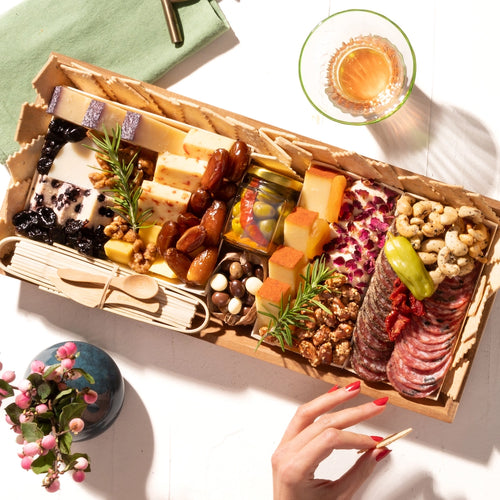
Protein requirements increase significantly after surgery, as amino acids are the raw material for new tissue. Iron supports blood cell production, magnesium reduces swelling, and fiber prevents the constipation that's nearly universal with post-surgical pain medications. This means the most helpful food gifts are those rich in protein, healthy fats, vitamins, and minerals. Nuts, artisan cheeses, dried fruits, dark chocolate, olives, and cured meats check nearly every box: protein, zinc, iron, antioxidants, and healthy fats, all in forms that require zero preparation.

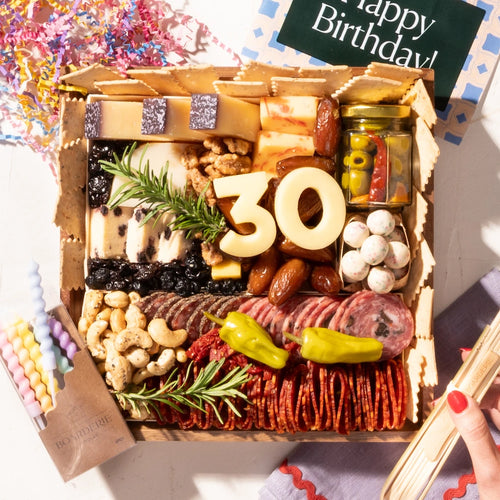
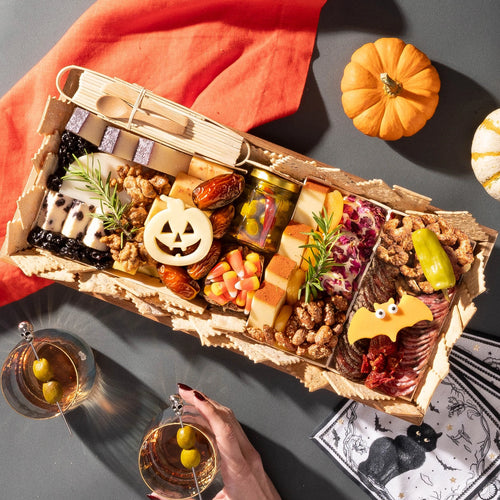
This is where artisan food boards have a genuine advantage over traditional gift baskets. A well-curated cheese and charcuterie board delivers variety across multiple nutrient categories in a format that's easy to graze on throughout the day, which is exactly how most recovering people eat. Small portions are easier to manage than full meals, especially when appetite is unpredictable or nausea is a factor.
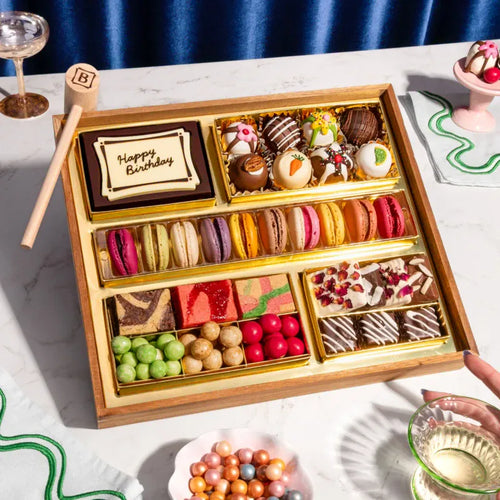
Boarderie has turned this into a turnkey gifting experience. Their boards arrive fully assembled by chefs and are ready to eat the moment they're opened, with no assembly or effort required from the recipient. Each board features hand-selected artisan cheeses, cured meats, nuts, dried fruits, olives, and chocolates sourced from producers around the world. You can select a specific delivery date, include a personalized message, and even send a gift via email that lets the recipient choose when they'd like their board to arrive, an especially thoughtful option when you're not sure exactly when they'll be home from the hospital or feeling up to eating.
Soup has earned its reputation as a recovery food for good reason. Broth-based soups deliver hydration, electrolytes, and easily digestible protein in a warm format that soothes both body and mood. For someone with a sore throat, post-surgical jaw or dental work, or nausea, soup may be one of the only appealing food options.
Hydration is chronically undervalued in recovery. Many patients, especially post-surgical ones, struggle to drink enough water, and dehydration slows every aspect of healing. Cold-pressed juice deliveries that feature immune-supporting ingredients offer a way to deliver both hydration and concentrated nutrition in an easy-to-consume format. Coconut water and high-quality herbal tea collections also support hydration without requiring any effort from the recipient. These pair well with a quality insulated tumbler, giving the practical gift of temperature-maintained beverages at the bedside.
Comfort and Practical Gifts That Reduce the Recovery Burden
Services That Give Time and Energy Back
For someone deep in recovery, the most luxurious gift is not having to do something. Service-based gifts eliminate tasks that drain already-depleted energy reserves. Meal delivery service subscriptions remove the daily burden of figuring out food. House cleaning service gift cards tackle the housework that piles up when someone can't bend, lift, or stand for long. Grocery delivery credits mean they don't have to drag themselves to a store when they're barely managing to get from the bed to the couch.
Entertainment and Mental Stimulation
Recovery involves a staggering amount of downtime, and boredom is a real morale killer. Gifts that fill the hours without requiring much energy or concentration are consistently valued. Audiobook subscriptions work for people who can't hold a book or focus their eyes on a screen. Streaming service gift cards provide passive entertainment. A loaded e-reader, preloaded with books you think they'd enjoy, shows you thought about them as a person, not just a patient.
For longer recoveries, a subscription to a meditation or mindfulness app gives the recipient a tool they can use throughout their healing process. Apps that offer guided breathing exercises and gentle movement sequences are particularly suited to people managing pain or insomnia during recovery.
Timing, Delivery, and the Etiquette Most People Get Wrong
The Hospital Window
If someone is hospitalized, resist the urge to send a large gift immediately. The first day or two is often chaotic. The patient may be sedated, in and out of procedures, or simply too overwhelmed to process gifts. A brief, heartfelt text or card is enough during this phase. If you do send something to the hospital, keep it small, portable, and in line with policy. Call the nurse's station or check the hospital's website for gift guidelines before ordering anything.
The Homecoming Gap
The real opportunity is the first one to three weeks after the person returns home. This is when the support system tends to evaporate. The initial flurry of texts and visits fades, but the person is still in significant recovery mode. A gift that arrives during this window communicates something powerful: I'm still thinking about you. Food-based gifts are ideal here because the person is now home and able to eat without hospital dietary restrictions, but probably isn't up for cooking. A fully assembled charcuterie board or a week's worth of prepared meals addresses a genuine need at the time it's most acute.
The Long Haul
For chronic illness or extended recoveries, the most meaningful gesture is sustained contact. A single lavish gift at the start, followed by silence, can actually feel worse than nothing. Consider spacing smaller gifts across weeks or months: a comfort item in week one, a food delivery in week three, a book or subscription in month two. Boarderie's email gift option lets you send a gift that the recipient can redeem on their own timeline. This removes the guesswork around delivery timing entirely and ensures the gift arrives exactly when the person feels ready for it.
What Not to Do
A few etiquette missteps are worth flagging because they're common, well-intentioned, yet problematic. Don't assume dietary needs. If you're not sure, choose options with variety or ask a family member. Don't send strong fragrances. Even outside the hospital, many recovering people experience heightened sensitivity to scent. And don't underestimate the power of a handwritten note. In an age of digital communication, a physical card with a few sincere sentences can be the most treasured part of any gift.
Matching Your Budget to Maximum Impact
Thoughtful get-well gifting doesn't require a large budget, but it does require intentionality. How you allocate your budget matters more than the dollar amount.
- Under $30: At this price point, the best strategy is a single well-chosen item rather than a cheap assortment. A high-quality herbal tea collection, an insulated tumbler, a weighted eye mask, a journal, or a curated selection of recovery-friendly snacks all fall in this range. Pair any of these with a handwritten note for impact that outweighs the cost.
- $30 to $75: This is the sweet spot for a meaningful standalone gift. A premium food delivery, a Boarderie artisan board, or a curated wellness basket communicates real thought and provides genuine nourishment. A weighted blanket typically falls within this range and provides long-term comfort. A combination of a practical item with a consumable creates a small but impactful care package.
- $75 and Above: At higher price points, think in terms of sustained impact. A month of prepared meal deliveries, a weekly house cleaning, or a combination care package that covers comfort, nutrition, and entertainment can meaningfully alter someone's recovery experience. This is also the range where you can coordinate with others — pooling resources with friends or family to fund something that would be out of reach individually but transformative collectively.

The common thread is specificity, the evidence that someone thought about what recovery actually looks like and chose accordingly. It's timing, arriving not just in the dramatic first hours, but in the quiet, difficult days and weeks that follow. And it's practicality, giving something that makes the hard days a little less hard. Flowers are beautiful. But when someone is healing, what they need is nourishment, comfort, a reduced burden, and the knowledge that people are still showing up. The best get-well gifts deliver exactly that.
Sources:
- How Nutrition Can Support Your Surgery — American College of Surgeons
- Impact of Nutrition on Skin Wound Healing and Aesthetic Outcomes — Journal of Cosmetic Dermatology (PMC)
- Foods That Speed Up Post-Surgery Recovery — St. John's Health
- A Randomized Controlled Study of Weighted Chain Blankets for Insomnia in Psychiatric Disorders — Journal of Clinical Sleep Medicine
- The Effect of Weighted Blankets on Sleep and Related Disorders — PMC
- Anxiety and Stress Weighing Heavily at Night? — Harvard Health
- What Should I Gift My Loved One with Mental Illness? — NAMI
- 3 Gifts That Aren't Allowed in Hospitals — Children's Cancer Research Fund
- Gifts for Hospital Patients: 9 Ideas — Optalis Healthcare
- 2025 Holiday Gift Guide for Those with Chronic Illness — Be Well
- Boarderie — Charcuterie Board Delivery
- A Systematic Review on the Role of Vitamin C in Tissue Healing — PMC
