
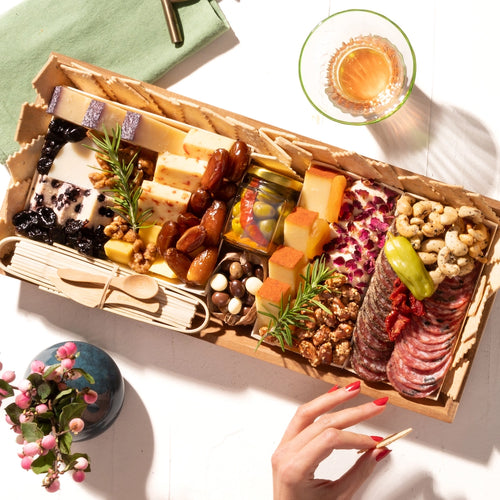
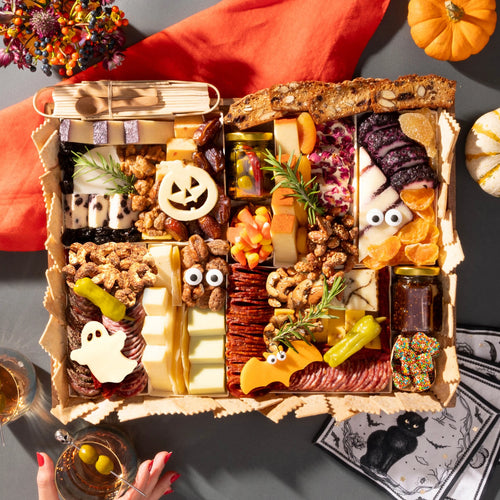
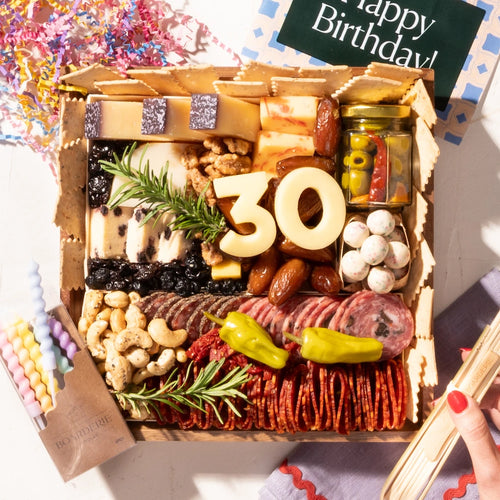
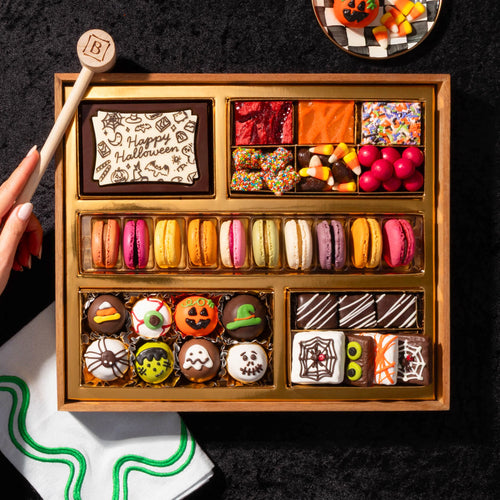


Creating a visually appealing snack board doesn’t require gourmet ingredients or professional training. With a bit of creativity and intention, you can transform ordinary items like crackers, cheese slices, deli meats, fruits, and chocolates into a colorful and balanced display. These boards are conversation starters and a centerpiece all in one. Whether you’re prepping for a birthday, game night, or casual gathering, fun charcuterie ideas can elevate any spread into a show-stopping experience. All it takes is a mix of flavors, smart placement, and a willingness to think beyond the traditional plate. Even humble pantry staples can contribute to something truly artistic when arranged thoughtfully.
Core Elements of an Engaging Snack Charcuterie Board
The core elements that contribute to an engaging charcuterie board are the use of color, the mixing of textures, and the arrangement of ingredients to encourage interaction and customization.
Using Color
Color is one of the easiest ways to transform a simple snack tray into a feast for the eyes. When creating a snack charcuterie board, select fruits, vegetables, cheeses, and dips that complement your seasonal theme. In the summer, include bright red strawberries, orange bell peppers, and fresh green basil. In winter, lean into deep purples, rich cranberries, and dark chocolates. Mixing bold colors ensures your board looks lively and festive, no matter the occasion. Group similar colors together for harmony or mix contrasting shades for visual excitement. Guests will be drawn to the board not only for the food but for the beauty it brings to the table. A colorful presentation makes your board stand out and adds that extra wow factor without needing complex ingredients or expensive touches.
Mixing Textures
A satisfying charcuterie appetizer tray has to feel great in every bite. Think about the crunch of a toasted nut, the smoothness of brie, or the snap of a crisp apple slice. Mixing textures is the secret to creating a more dynamic tasting experience. Chewy dried fruit, flaky crackers, firm meats, and silky hummus all bring something different to the table. Even within each group, you can offer variation. Pair a firm cheddar with creamy goat cheese and a crumbly blue. The goal is to surprise and delight your guests with every combination they create.
Designing for Interaction and Customization
A big part of entertaining with charcuterie is making the experience fun and social. Set up your board so that guests can easily build their own bites. Offer items in small portions to encourage mixing and matching. Think of your layout as a menu where guests can choose their favorite flavors. When people can explore and create on their own, they’ll stay longer around the board.

Grouping Ingredients
When assembling your board, ensure that everything is easily accessible and enjoyable. A good charcuterie snack box or platter groups similar items close together so guests don’t have to hunt for what they want. Keep wet items like olives or jams in their own containers to avoid sogginess. Use ramekins, cupcake liners, or small bowls to separate dips and spreads. Organizing by type also helps you build balance. For example, place your bold flavors next to milder options to let guests build from mild to intense.
Inspiring Charcuterie Board Designs and Layouts
Concentric Circles
One eye-catching way to style your board is by arranging ingredients in concentric circles. Start with a bowl of dip in the center. Then build outward, placing ingredients in neat circular rows. Sliced cucumbers and dried fruit can form clean rings that create visual harmony. Each layer should be distinct in color or texture to create definition. This design helps guide the eye naturally across the board, encouraging guests to start at the center and explore outward. It also makes refilling easy, as you can simply restock the outer circles without disrupting the overall structure. This thoughtful layout adds elegance and symmetry to your charcuterie displays.
Diagonal Stripes
Diagonal designs offer a fresh take on layouts that break away from the typical horizontal or vertical format. By laying ingredients in angled stripes, you introduce a sense of movement and contrast. Use alternating colors and flavors to make each stripe stand out. For instance, line up sharp white cheddar, herbed crackers, and rich brown chocolate almonds in distinct diagonal sections. This approach is especially effective on rectangular boards, where diagonals naturally draw attention. It’s also a clever way to separate sweet from savory, or bold from mild. For your charcuterie ideas for guests, diagonal stripes make flavor pairings more intuitive.
Tiered Displays
When you're ready to take your setup to the next level, adding height can transform your board into a show-stopping centerpiece. Here’s how to create your own tiered masterpiece:
- Start with Safe and Stable Bases: The foundation of a successful tiered display is stability. Whether using cake stands or tiered trays, make sure each level is sturdy enough to support the weight of your food. Wobbling structures not only create visual tension but pose a real risk of collapse. Choose even surfaces and test the setup in advance to avoid last-minute surprises. Rubber grips or silicone pads can also help secure the risers. Stability ensures guests can serve themselves confidently, especially when the display includes heavier items, such as cheeses or jars.
- Organize Each Tier: Tiered layouts shine when each level serves a distinct purpose. Try grouping items by category or by flavor profiles. This arrangement gives structure to your display while guiding guests naturally through a tasting experience. You might position lighter items higher to reduce top-heaviness and reserve the lower tiers for denser offerings. This method not only enhances visual order but also makes it easier to replenish each section as items run out.
- Distribute Color and Shape: Visual harmony is key to maintaining a polished look across multiple layers. Balance bold hues, so they appear on each tier rather than clumping together. Likewise, vary shapes by combining round elements, such as grapes or balls of cheese, with angular crackers or stacked vegetable sticks. Repeating these elements across different levels ties the display together while keeping the eye engaged.
- Add Edible Garnishes: Fresh herbs, flowers, and leafy greens can soften transitions between tiers while enhancing the overall lushness of your display. These decorative accents fill visual gaps and add organic movement to the structure, making it feel abundant and inviting. Tuck sprigs of rosemary, mint, or thyme near fruit clusters, or use edible flowers like pansies or nasturtiums for pops of color. Garnishes should be strategically placed to avoid competing with the main ingredients.
- Include Serving Tools: As guests interact with the display, convenience becomes essential. Providing the right utensils on each tier keeps things tidy and accessible. It prevents unnecessary reaching or crowding and allows multiple guests to serve themselves at once. Choose compact tools that match your aesthetic and consider resting them on small plates or linen napkins to contain drips or crumbs. These thoughtful touches enhance the user experience, ensuring your showpiece remains inviting throughout the event.
A tiered grazing display is a visual narrative that draws people in and encourages them to linger. Each level becomes an opportunity to showcase your ingredients in new ways, adding cohesion to the overall presentation.
Spiral Layouts as Edible Flavor Maps
Spirals offer a sense of motion and creativity. Begin from the center and work your way out, curving ingredients in a circular motion that resembles a nautilus shell or a swirling galaxy. Soft cheeses, rolled meats, and thinly sliced fruits work well for this format. Use vibrant items like cherry tomatoes or dried apricots to highlight the curve and make the spiral stand out. A spiral layout also invites guests to follow a “flavor path,” starting with milder items and ending with spicy options. For a truly designer charcuterie board, the spiral layout combines structure with creativity in a visually striking way.

Themed Grazing Boards to Match Any Occasion
Explore the idea of tailoring charcuterie boards to specific themes or events, such as holidays, movie nights, road trips, and seasonal celebrations.
Coastal-Inspired Boards
Build a board inspired by ocean flavors and sunny shores, for a breezy twist. Think delicate smoked salmon, lemon wedges, herbed cream cheese, and crunchy cucumber slices. Add in shrimp cocktails, seaweed snacks, and citrus-marinated olives to enhance the coastal mood. When entertaining outdoors, this approach feels light yet luxurious. Using ocean-inspired ingredients also introduces a different set of textures and tastes compared to traditional boards. A festive food board like this works well for warm-weather gatherings, especially when paired with sparkling drinks.
Movie-Night Snack Boards
Bring comfort food to the forefront by creating a board specifically for movie marathons. Use sections of the board for caramel popcorn and marshmallows. Add in cheese cubes, pickles, and fruit skewers for variety. The goal is to combine fun finger foods that feel indulgent. This kind of board creates an atmosphere that’s cozy, playful, and informal. It’s also a great way to offer a little something for everyone without having to cook. As a charcuterie appetizer tray, this format breaks the mold, replacing traditional pairings with whimsical favorites.
Road-Trip Snack Boxes
Choose stackable containers and pack each with a thoughtful mix of protein, fruit, dips, and crunchy treats. Layering items in bento-style rows helps keep things neat and visually appealing. Each section should feel complete on its own while still contributing to the full spread. This makes on-the-go snacking practical and stylish. A well-planned charcuterie snack box brings gourmet fun to the road and keeps energy levels up without the need for stops or junk food.
Pro Tips for Practical and Budget-Friendly Setup
Simple Ratios
One approach is to work in ratios: three kinds of cheese, two types of meat, two types of fruit, one or two spreads, and at least two kinds of crackers. This structure helps you organize the ingredients and makes shopping easier. It also ensures there’s enough variety without overwhelming your guests. Using this method keeps the focus on thoughtful selections rather than quantity. That way, each item earns its spot and plays a role in flavor pairing. With just a few well-matched items, you can still achieve one of the best charcuterie board combinations without overfilling the tray or stretching your budget.
Store-Bought Shortcuts
Hosting doesn’t require hand-making everything. Store-bought items can be smart choices when selected with care. Adding a few ready-to-go items saves time while still allowing your board to feel thoughtful. Pairing a purchased fig jam with artisan cheese or arranging pre-cut fruit beautifully goes a long way. The trick is to present these items in a way that feels curated. Placing store-bought goods in ceramic dishes or garnishing with herbs adds a homemade touch. This lets you enjoy party snack ideas without a kitchen overload.
Budget Strategies
Setting up an impressive charcuterie board doesn’t have to be complicated or expensive. Start by following a simple ratio to guide your ingredient selection. Aim for three types of cheese, two varieties of meat, two fruits, one or two spreads, and a couple of cracker options. This structure ensures enough variety for guests without overwhelming your shopping list or your budget. Don’t shy away from store-bought shortcuts; high-quality pre-sliced meats, pre-cut cheeses, and ready-made dips can save significant time and effort. Present these convenience items thoughtfully by arranging them in attractive bowls or garnishing with fresh herbs for a homemade touch. For budget-friendly boards, shop in bulk for pantry staples like crackers, nuts, and dried fruit, which can be used across multiple gatherings. Combine these affordable basics with one or two specialty items to elevate the overall experience without overspending. Reuse small jars, serving boards, and containers you already own to cut down on costs and reduce waste.
Freshness, Portability, and Easy Cleanup
Keeping Items Cool
Maintaining the freshness of your ingredients is essential, especially when serving outdoors or over long periods. Use frozen grapes or berries as edible chillers. Tucked into the board, they help keep nearby cheeses and meats cooler for longer. You can also discreetly place small chill packs under parchment or in bowls to preserve temperature-sensitive items. If you're building a board in advance, refrigerate it fully assembled and pull it out just before serving. This ensures that nothing wilts or becomes soggy before guests arrive.
Labeling with DIY Picks
Adding food labels helps guests navigate your board without guessing what each item is. You can use toothpicks and leftover decorations like wrapping paper scraps, washi tape, or cardstock to create charming tags. Handwriting the names of cheeses, meats, or dips makes your display more engaging and guided. These labels also add a personal touch and are helpful for anyone with allergies or dietary restrictions. Incorporating simple DIY touches can transform a board from basic to memorable. Even small details like this enhance the overall impact of your fun charcuterie ideas.
Where to Buy and How to Select the Perfect Charcuterie Board for Every Occasion
When creating an unforgettable charcuterie centerpiece, the board you choose is just as important as the snacks you serve. Your charcuterie board sets the stage for presentation, influences the overall vibe, and can even impact the ease of serving and cleanup. Fortunately, there are plenty of options for purchasing a charcuterie board to fit every style, budget, and occasion. Local home goods stores, kitchenware boutiques, and even large supermarkets often carry an assortment of cutting boards and serving platters that double beautifully as charcuterie boards, allowing you to see and feel the material before you buy.

When choosing the right board, consider your specific needs and the type of gatherings you host. For intimate get-togethers or romantic evenings, a smaller wooden or slate board may suffice, offering just enough space for a curated selection of cheeses, meats, and accompaniments. If you frequently entertain larger groups, opt for an oversized board or even a set of nested boards that can be arranged together for a dramatic effect. Materials matter, too: classic wood boards (like maple, acacia, or bamboo) add warmth and rustic charm, while marble and slate offer a sleek, modern look and keep cheeses cooler for longer. Some boards come with built-in features such as grooves for crackers, integrated bowls for dips, or chalkboard edges for labeling items. Consider ease of cleaning as well. While wooden boards are durable and develop character over time, they require hand-washing and occasional oiling, whereas glass and marble boards are easier to sanitize but may be heavier and more fragile.
Portability and storage are additional factors. If you plan to take your charcuterie on the go, look for boards with handles, lids, or carrying cases. For multi-course spreads or themed boards, modular or tiered sets provide flexibility and visual impact. The best charcuterie board is one that suits your entertaining style, complements your décor, and makes you excited to create. With so many options available, you can find a board that not only showcases your snacks but also becomes a cherished part of your hosting toolkit
Once your board is complete, capturing it with a great photo allows you to remember your creation and share it with others. Overhead shots work especially well, providing a full view of your layout and making each ingredient visible. Natural light brings out the vibrancy of your ingredients, so set up near a window or outdoors if possible. Adding subtle props can add context to the image without distracting from the board itself. Sharing a photo of your interactive charcuterie board can inspire others and help you look back on the flavors and creativity you brought together. Ready to elevate your next gathering? Explore a curated selection of premium charcuterie boards and snack collections at Boarderie.
