
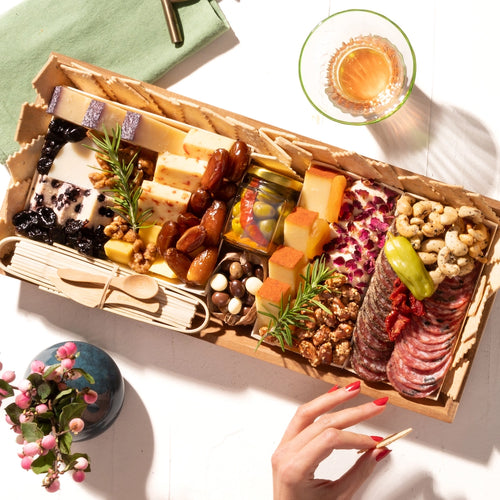
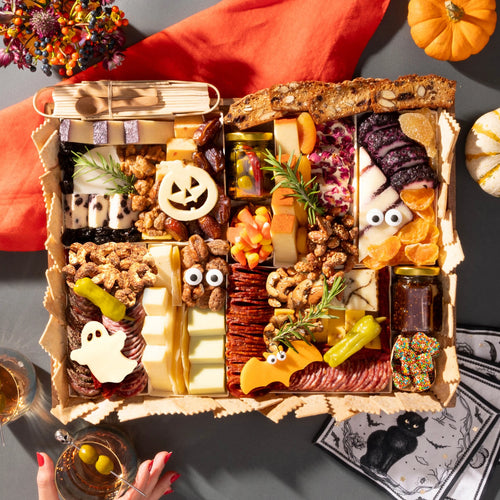
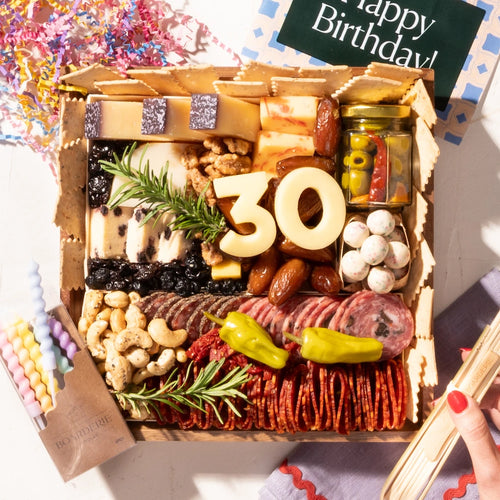
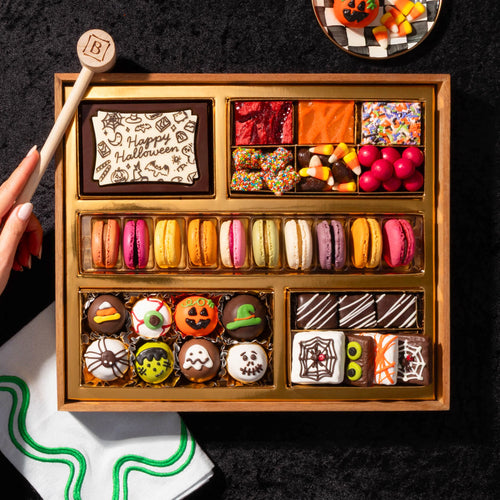


Charcuterie boards have exploded in popularity as a go-to centerpiece for gatherings in recent years. In the age of social media, beautifully arranged cheese and meat board spreads are everywhere. On Instagram alone, the #charcuterie hashtag surpassed two million posts during the pandemic boom. But beyond their visual appeal and trendiness, these offer something even more special for hosts and food lovers: the ability to customize every element. A customizable charcuterie board lets you tailor each bite to delight your guests’ unique tastes and dietary needs.
What Exactly Is a Charcuterie Board?
A charcuterie board (pronounced shahr-koo-tuh-ree) is essentially an artful assortment of cured meats (charcuterie in French) paired with various cheeses and complementary accompaniments. In other words, it’s a board presented for sharing. A typical board might include an array of sliced salami, prosciutto, or other meats; various cheeses of different textures; plus extras such as crackers or bread, olives, pickles, nuts, and dips or spreads. The goal is to offer a balanced variety of flavors and textures that guests can mix and match. Charcuterie boards are interactive by nature – guests graze and create their own combinations, which makes it a fun, communal eating experience.

Originally a French tradition focused on preserved meats, modern charcuterie boards have evolved into a versatile entertaining staple. They can be as simple or elaborate as you want, ranging from casual snack platters to extravagant displays worthy of a gourmet magazine. The beauty is that customizable cheese boards allow you to include all your favorite items and adapt the selection to the occasion. No two boards are ever exactly alike, and that’s part of the charm.
Quality and Craftsmanship: The Artisan Difference
The distinction between artisan, chef-made boards and mass-produced alternatives is profound, shaping both the taste and the experience of your gathering. Artisan boards are the result of daily craftsmanship, where each element is thoughtfully selected and arranged by skilled hands, often chefs or experienced food artisans who take pride in their work. Unlike factory-assembled platters that rely on automation and standardized ingredients, chef-made boards are prepared fresh, often in limited quantities, to ensure every bite bursts with flavor and freshness. One of the hallmarks of an artisan charcuterie board is the meticulous attention to quality at every stage. Skilled producers source cheeses, meats, and accompaniments from trusted partners, prioritizing unique flavors and traditional methods over mass-market uniformity. This means you might find a tangy goat cheese from a local creamery, a hand-cured salami from a regional producer, or small-batch jams and pickles that add layers of complexity you won’t find in generic supermarket offerings.
Fresh preparation is another key advantage of chef-made boards. Rather than sitting on a shelf or in a warehouse, these boards are assembled to order, often the very day they’re shipped or served. This commitment to freshness ensures that cheeses are at their peak creaminess, meats retain their delicate textures, and accompaniments like fruits, nuts, and spreads are vibrant and full of flavor. Artisan makers understand that the best boards are more than just an assortment; they are harmonious compositions, where every component is chosen for its ability to complement and elevate the others. By contrast, mass-produced charcuterie boards are typically assembled in large batches, prioritizing efficiency and shelf life over taste and originality. Ingredients may be pre-sliced, vacuum-sealed, or preserved with additives to extend their longevity, sacrificing the nuanced flavors and textures that make a board memorable. The result is a platter that may look appealing but lacks the depth and character of a chef-made creation.
Why Customize Your Charcuterie Board?
One size does not fit all when it comes to food, and that’s where customization shines. Crafting a spread tailored to your specific crowd ensures everyone finds something they love. In fact, charcuterie boards are incredibly flexible as they can be adjusted to suit any gathering, from an elegant cocktail party to a kids’ birthday or a casual movie night. With a little planning, you can design the board to fit any occasion or dietary preference. Offering that personal touch makes your guests feel considered and welcome. There are several benefits to making a charcuterie board uniquely your own:
- Something for everyone: A customized board lets you cater to varied tastes. You can include mild options for conservative eaters alongside bolder flavors for adventurous palates. By tailoring selections, a single board can simultaneously please spice lovers, salt enthusiasts, and those with a sweet tooth.
- Dietary accommodations: When you know your guests’ needs, you can build the board accordingly. Have vegetarian friends? Skip the meat on part of the board or provide meat-free protein like hummus. Expecting gluten-free or keto guests? Include gluten-free crackers or extra veggie sticks for dipping. The result is an inclusive spread where no one feels left out.
- Seasonal and thematic flair: Customizing also means you can align the board with a theme or season. For example, in the winter holidays, you might incorporate cranberries and cinnamon-spiced nuts, whereas a summer board could spotlight fresh berries and herbs. Tailoring the contents to the event adds a memorable, thoughtful touch.
When guests see their favorite cheese or discover a new pairing you included with them in mind, it elevates the experience. It shows you went the extra mile to personalize the hospitality, which people truly appreciate.
Catering to Dietary Needs and Preferences
One of the greatest advantages of designing your board is the ability to accommodate any dietary restrictions among your guests. It’s well worth the effort to make sure everyone can partake in the spread. Consider providing dairy-free or plant-based alternatives for those who can’t have traditional cheese. Today, there are excellent vegan “cheeses” made from nuts that offer a creamy texture and rich flavor similar to the real thing. Including a couple of these alongside your Brie and cheddar means lactose-intolerant or vegan guests can still enjoy a cheesy bite. Similarly, keep an eye out for any food allergies. If someone has a nut allergy, you’ll want to avoid nuts either entirely or, at the very least, segregate them in a separate bowl to prevent cross-contact. You might label the cheeses and spreads on your board as well – small tags or cards noting “contains nuts” or “gluten-free” can be very helpful. Clearly labeling each item (e.g., identifying blue cheese vs. goat cheese) is a considerate touch that helps guests make informed choices and find their favorites easily.
The key is arranging meats on a cheese board in a way that provides options. Divide your board into sections if needed: perhaps a vegetarian section, a spicy section, etc. You can get creative with substitutes, too. If a friend doesn’t eat pork, you might include turkey salami or smoked salmon in place of the usual prosciutto. For guests who don’t drink alcohol, use a jam or honey instead of wine-infused cheeses.
Building a Balanced Spread: Meats, Cheeses, and More
Think of it as ensuring no two items are too similar. When selecting cheeses, aim for diversity: a common guideline is to include at least one soft, one semi-firm, and one hard cheese for contrast. For example, you might choose a creamy Brie (soft), a nutty Gouda or sharp cheddar (semi-firm), and an aged Parmesan or Manchego (hard). This trio covers a broad spectrum, from mild and spreadable to firm and pungent. You can then add any other favorites, like a blue cheese for a bold touch or a flavored cheese for something unique.
For the meats, apply a similar principle. Include a few different types of charcuterie so guests can sample a range. Classic picks for a gourmet charcuterie board are thinly sliced cured hams (such as prosciutto or jamón), salami or cured sausages (like soppressata, genoa salami, or chorizo), and perhaps a rich paté or terrine for a spreadable option. Vary the textures here as well, as some meats are delicate and melt-in-your-mouth, while others are dense or coarsely ground. You could add smoky flavors (smoked turkey or bacon strips) or spicy cured meats for an extra kick.
Don’t forget the extras: these are the accompaniments that round out the board and truly make it a complete experience. Salty, briny items provide a nice contrast to the richness of meats and cheeses. Fresh fruits like grapes, apple slices, or berries add sweetness and cleanse the palate between bites. Dried fruits (apricots, figs, dates) offer concentrated sweetness and chewy texture. Consider including a dollop of whole-grain mustard, a sweet fig jam or honey, maybe a spicy pepper jelly or an herbed cheese spread. These allow guests to experiment with layering flavors (a smear of honey on blue cheese is divine, for example).
Charcuterie Serving Ideas: Presentation and Arrangement Tips
Once you’ve gathered all your elements, arranging them is the next step in wowing your guests. Great presentation not only looks beautiful but also makes it easier for people to serve themselves. Here are some practical charcuterie serving ideas and techniques for assembling a visually appealing board:
- Start with anchor items: Begin by placing your largest pieces on the board. Typically, this means any big wedges or blocks of cheese and any small bowls you're using (for olives, nuts, or spreads). Spacing these out evenly creates a framework. In fact, the easiest way to build your board is to set down those large cheeses and bowls first, then fill in around them with the smaller items. The large items act like anchor points and ensure the board looks balanced from the start.
- Add meats and fold creatively: Next, arrange your meats in the spaces between the cheeses. Rather than just laying flat slices, try folding or twisting them for an attractive presentation. For example, you can fold salami into quarters to make a little "flower" shape or ruffle prosciutto slices loosely into piles. This not only saves space but also gives a lavish, abundant look. Group each type of meat in a couple of places on the board so that they’re accessible from different sides.
- Fill in with accompaniments: Now place your fruits, crackers, nuts, and other accompaniments in the remaining gaps. Aim to distribute colors and shapes in a way that’s visually pleasing – perhaps clusters of grapes in two opposite corners, crackers in another spot, etc. By grouping like items together (all almonds in one spot, all cornichons in another), you create pops of color and texture that make the board look bountiful. Small sprigs of herbs (rosemary, thyme) can also be tucked in as edible decoration to add greenery.
- Ensure easy grazing: As you arrange everything, consider accessibility. Ideally, guests should be able to reach any item and clearly see what it is. If your board is very large, replicate key items on different sides so people aren’t digging across the whole board. Provide cheese knives or spoons near items that need serving utensils (soft cheeses, spreads). Little tongs or toothpicks can be set out for picking up slippery things like pickles or olives. The friendlier your setup is to navigate, the more people will enjoy it.
- Final touches: Take a step back and check the overall look. Is the board nice and full? Any empty-looking spots can be quickly fixed by adding handfuls of extra nuts or berries, or even a few decorative herb sprigs to make it appear lush. Charcuterie boards are meant to look abundant and inviting. Don’t worry about perfect symmetry – a little organized chaos is part of the rustic appeal! Just try to balance out colors and types of food so nothing clumps too much in one area (for instance, avoid having all the white crackers or all the green items side by side). When you’re satisfied, you’ve achieved a show-stopping presentation.
With these serving and arranging tips, your board will be both attractive and user-friendly. People eat with their eyes first, and an eye-catching board arranged thoughtfully will draw everyone in for that first bite.

Themed Charcuterie Board Ideas for Every Occasion
One of the most fun aspects of charcuterie is how easily you can adapt the theme or style of the board to suit special occasions. With a few tweaks, you can create a platter that perfectly matches a holiday, celebration, or unique concept.
Holiday Wreath Platter: A Festive Centerpiece
- Foundation: Begin by arranging fresh rosemary sprigs in a circular pattern on your board, forming a vibrant, aromatic "greenery" base. This creates the illusion of a traditional wreath.
-
Layering the Feast: Around and within the rosemary circle, artfully layer a selection of meats, cheeses, and other accents chosen for their festive colors.
- Meats: Consider thinly sliced prosciutto, rolled salami, or even delicate turkey pinwheels.
- Cheeses: Opt for a variety of textures and hues, such as sharp cheddar cubes, creamy brie wedges, and white cheddar stars cut with a cookie cutter.
- Red Accents: Incorporate vibrant red elements like cherry tomatoes, pomegranate arils, dried cranberries, or red grapes.
- Green Accents: Add green olives, small gherkins, kiwi slices, or even small sprigs of fresh dill for added color and texture.
- Embellishments: Finish with small, festive touches like miniature candy canes (if appropriate for the sweet elements), small frosted gingerbread cookies, or even tiny decorative bows (non-edible, placed strategically). The goal is to create a cohesive and inviting edible Christmas wreath that is both delicious and visually captivating.
Dessert Charcuterie Board: A Sweet Indulgence
- Chocolates Galore: Offer a variety of gourmet chocolates, including dark chocolate truffles, milk chocolate squares, white chocolate pretzels, and chocolate-covered nuts.
- Miniature Baked Goods: Include bite-sized cookies, mini brownies, small macarons, or even delicate éclairs.
- Fruity Freshness: Balance the richness with fresh fruits like strawberries, raspberries, blueberries, and sliced kiwi. Dried fruits such as apricots, figs, and apple rings also add texture and sweetness.
- Dipping Delights: Provide an assortment of items perfect for dipping, such as marshmallows, pretzel rods, and mini rice crispy treats.
- Sweet Spreads: Offer small bowls of luscious spreads like Nutella, caramel sauce, honey, or a creamy fruit dip.
- Crunchy Components: Add elements like chocolate-covered pretzels, wafer cookies, or crispy rice crackers for textural contrast.
- Garnishes: A sprinkle of powdered sugar, a few fresh mint leaves, or a handful of colorful sprinkles can add a finishing touch. This "candy-and-treats board" transforms dessert into an interactive and visually appealing experience.
Breakfast/Brunch Board: A Morning Feast
- Pancake/Waffle Perfection: Include mini pancakes or waffles, perfect for dipping in syrup or topping with fruit.
- Bagel & Spread Bar: Offer bagel chips or mini bagels alongside a variety of cream cheese flavors, butter, and jam.
- Protein Power: Incorporate crispy bacon strips, breakfast sausage links, hard-boiled eggs, or even mini quiches.
- Fresh & Fruity: Provide an array of colorful fruit slices like melon, berries, grapes, and orange segments.
- Pastry Pleasures: Add small croissants, mini muffins, scones, or cinnamon rolls for a touch of sweetness.
- Yogurt & Granola: Consider small bowls of yogurt and a sprinkle of granola for a healthier option.
- Syrup & Toppings: Don't forget small pitchers of maple syrup and bowls of whipped cream, chocolate chips, and nuts for customization. This board transforms breakfast into a social and interactive dining experience.
Regional Theme Board: A Culinary Journey
-
Italian Antipasti Board:
- Cured Meats: Prosciutto, various types of salami (e.g., Genoa, soppressata), and coppa.
- Cheeses: Fresh mozzarella balls (bocconcini), aged Parmesan chunks, creamy Gorgonzola, and provolone slices.
- Marinated Vegetables: Artichoke hearts, roasted red peppers, sun-dried tomatoes, and marinated mushrooms.
- Olives: A selection of Italian olives like Castelvetrano and Kalamata.
- Accents: Fresh basil leaves, balsamic glaze, and a drizzle of high-quality olive oil.
- Carbs: Crispy breadsticks, ciabatta bread, or focaccia.
-
French-Inspired Board:
- Pâté & Terrine: A rich liver pâté or a rustic country terrine.
- Cornichons: Small, tart gherkins that provide a delightful counterpoint to rich flavors.
- Mustard: A robust Dijon mustard for spreading.
- Cheeses: Creamy Brie, pungent Roquefort (blue cheese), nutty Comté, and soft chèvre (goat cheese).
- Carbs: A crusty sliced baguette is essential.
- Fruit: Grapes, figs, and apples pair beautifully with French cheeses.
- Accents: Honey, candied nuts, and a touch of fruit preserve.
- Mediterranean Mezze Board: Hummus, baba ghanoush, pita bread, falafel, feta cheese, cucumber and tomato salad, stuffed grape leaves (dolmades), and various olives.
-
Spanish Tapas Board: Jamón serrano, chorizo, Manchego cheese, marinated olives, patatas bravas (mini potatoes), Padrón peppers, and crusty bread.
These themed boards allow guests to immerse themselves in a specific culinary heritage, making the dining experience both educational and delicious.
Color-Coordinated Board: A Visually Striking Masterpiece
-
"Harvest Board" (Warm Autumnal Colors):
- Orange: Cheddar cheese (various shades), dried apricots, mandarins, carrots (baby or sliced).
- Yellow: Yellow bell pepper strips, cornichons, yellow cherry tomatoes, corn on the cob (mini).
- Red: Red grapes, sliced apples (red varieties), cranberries, pomegranate arils, roasted red peppers.
- Brown/Earthy: Nuts (walnuts, pecans), whole wheat crackers, rustic bread.
- Meats: Prosciutto or coppa.
- Green-Themed Board:
-
- Cheeses: Herbed goat cheese, pesto-marinated mozzarella balls, sage derby.
- Vegetables: Green grapes, cucumber slices, green olives, edamame, avocado slices, sugar snap peas.
- Nuts: Pistachios.
- Herbs: Fresh mint leaves, basil leaves, rosemary sprigs for garnish.
- Spreads: Guacamole, green olive tapenade.
- "Berry Bliss" (Red, Pink, and Purple): Strawberries, raspberries, blueberries, red grapes, dark chocolate, red velvet cookies, pink macarons, purple candy.
-
"Blue & White" (Nautical or Winter Theme): Blueberries, blue cheese, white cheddar, white chocolate, marshmallows, pretzel sticks, white crackers.
By meticulously selecting items based on their color, you create an artful arrangement that not only tastes incredible but also serves as a beautiful focal point, tying the entire presentation together for maximum impact.
Just remember to include some variety and the fundamental elements so that the board is balanced in taste while it’s impressing the eyes.
Ordering and Gifting Boarderie Charcuterie Boards
Building a board yourself can be a rewarding process, but there are also convenient options if you need help or want to send a board as a gift. These days, it’s easier than ever to order charcuterie online for delivery. Many gourmet providers offer ready-made charcuterie assortments that arrive beautifully arranged and ready to serve – with just a few clicks, you can have a curated board delivered right to your door. This is perfect for busy hosts who might not have time to shop and assemble everything from scratch. You can also order through local catering companies or high-end grocery stores, which often have platters available for parties. Utilizing these services means you’ll get a professional-looking spread, and you can focus on other aspects of your event.

Charcuterie boards also make fantastic gifts for any food lovers in your life. If you want to surprise someone with a delicious, shareable present, you can send a charcuterie board gift through various companies that specialize in shipping them. These often come in the form of a charcuterie gift box or basket, packed with an assortment of meats, cheeses, and accompaniments, sometimes even including a keepsake wooden board.
Specialty services make it simple to have charcuterie boards delivered fully assembled and fresh. High-quality prepared boards like these take care of all the work, so your giftee can simply open the package and enjoy with zero prep or cleanup. Whether you decide to craft your own board or take advantage of the convenience of pre-made ones, the goal remains the same: treat your guests to a personalized and delightful culinary experience. Charcuterie’s mix-and-match style is inherently fun and engaging, and with thoughtful customization, it becomes even more special.
Creating customizable charcuterie board experiences is all about knowing your audience and infusing a bit of your own creativity. By selecting a variety of components and arranging them with care, you ensure that every guest, regardless of their preferences or dietary needs, can savor the spread. Remember to mix flavors and textures, accommodate any dietary restrictions, and invite everyone to share their contributions. Whether it’s a casual family gathering, a festive holiday charcuterie platter, or a thoughtful gift delivered to someone far away, buying charcuterie turns eating into a personalized experience. Every board you build is an opportunity to tailor each bite to your guests, ensuring they leave your table with a smile and a sense of satisfaction.
Sources
-
Simply Better Living (SharpUSA) – How to Customize a Charcuterie Board【1】
-
Skinnytaste – How To Make a Charcuterie Board【7】
-
Boarderie Blog – Transform Your Parties with Gourmet Charcuterie Boards【12】
-
Sur La Table (Lid & Ladle) – How to Build a Charcuterie Board【16】
-
Platterful Blog – Charcuterie Board Businesses Boomed in the Pandemic【31】
-
DeLallo – 22 Unique Charcuterie Board Ideas and Themes【23】
