


Corporate gifting has a generic problem. Year after year, procurement teams send the same shrink-wrapped cookie tins and the same forgettable gift cards. Not because they don't care, but because no one has given them a better framework for doing it differently. The result is billions of dollars spent annually on gifts that recipients discard, forget, or quietly resent. Whether you're managing gifts for 30 employees or 3,000 clients across the country, the principles here will help you spend smarter and make every gift count.
Why the Default Cookie Tin Keeps Failing
The problem with generic dessert gifts is that they communicate nothing. A mass-produced assortment box says, at best, "We remembered to send something." At worst, it says, "You got the same gift as every other name on the spreadsheet, and we didn't think about it for more than thirty seconds." That matters more than most procurement teams realize. 68% of recipients say that receiving a "memorable" business gift strengthened their relationship with the company that sent it. The operative word is memorable. A gift that blends into the background of every other holiday gesture doesn't clear that bar.
The Real ROI of Getting Dessert Gifts Right
Companies with well-executed gifting programs see up to a 5x return on investment through improved client retention and employee engagement. That's not a feel-good metric. Businesses that implement a strategic gifting approach are 2.5 times more likely to retain clients than those that don't.

On the employee side, the connection between recognition and retention is well-documented. Engaged employees are 87% less likely to leave their company, and tangible gestures of appreciation, gifts included, contribute directly to that sense of engagement. Internal gifting programs have been shown to boost employee satisfaction by 31%, a figure that translates into real savings, given that replacing a single employee costs between 50% and 200% of their annual salary.
Dessert gifts, specifically, carry an advantage that other corporate gift categories don't: they're inherently shareable. A box of artisan pastries or a curated dessert board placed in a conference room becomes a communal experience. People gather around it, and they talk about it. The gift circulates through the office, multiplying its visibility and the positive associations attached to it. This shareability factor is why food gifts remain the single most popular category in corporate gifting, outpacing branded merchandise and tech accessories year after year.
A Budget Framework That Matches Corporate Reality
The Appreciation Tier
This is the sweet spot for broad employee recognition. Think team milestones, seasonal thank-yous, and company-wide holiday gifts. At this price point, you're looking at curated boxes of artisan chocolates, small-batch cookie assortments from local bakeries, or single-serving dessert collections. The IRS caps the tax-deductible portion of business gifts at $25 per recipient, so gifts in this range also align with straightforward accounting.
The Relationship Tier
This is where most client gifts should land. Companies typically spend $75 to $125 per client gift, with the largest subset clustering around $75 to $100. At this level, you have access to premium dessert boards, gourmet bakery collections, and multi-component gift sets that combine sweets with complementary items like specialty coffee or artisan spreads. Companies in finance and law, which tend to be the highest spenders, often operate at the upper end of this range. The investment signals that you value the relationship enough to be deliberate about the gesture, a signal that $25 gift cards simply can't send.
The VIP Tier
Reserved for your most important clients, board members, or strategic partners. At this level, you're selecting curated experiences rather than simple products. Think multi-course dessert tasting boxes or presentation-grade charcuterie and dessert boards shipped overnight in premium packaging. If a client generates six figures in annual revenue, a $200 to $500 annual gift investment represents a rounding error relative to the relationship's value. The mistake companies make at this tier is underspending relative to what's at stake.
The Etiquette Rules That Actually Matter
If you send dessert gifts to three of your five largest clients, the two who didn't receive anything will notice. The same principle applies internally. When one department gets a holiday spread and another gets nothing, the omission sends a louder message than the gift itself. Establish a gifting tier system and apply it uniformly. Every client in the same tier gets the same caliber of gift. Every team at the same level gets the same recognition. This is about ensuring that no one feels deliberately excluded.
More than 32 million Americans live with food allergies, and roughly 10% of U.S. adults follow a plant-based diet. Sending a dessert gift without considering these realities is a waste of money. The practical solution is to select dessert gifts that either accommodate common restrictions by default or offer enough variety for most recipients to find something they can enjoy. Look for gifts that clearly label ingredients and allergens, and avoid the most common allergens in their hero items.

The holiday season is the most competitive window for corporate gifts, and not just because of shipping logistics. When a client receives fifteen gift boxes in the same week of December, yours needs to stand out or risk blending into the pile. Smart companies are shifting some of their gifting budget to unexpected moments throughout the year: a dessert gift after a successful project close, a thank-you box for a contract renewal, or a "just because" gesture in the dead of Q2 when no one else is gifting. The surprise factor alone increases memorability, and you're competing with zero other gifts instead of a dozen.
The Bulk-Order Playbook for Perishable Dessert Gifts
For holiday gifting, experienced corporate buyers begin placing orders in September or October. Custom packaging typically requires a two-week lead time from order to warehouse fulfillment. Factor in additional time for address verification and shipping coordination, and a 6- to 8-week lead time is realistic for orders above 50 units.
Dessert gifts that include chocolate, cream-based items, or fresh components need temperature-controlled shipping. This means insulated packaging and expedited delivery, typically overnight or two-day shipping. The cost of overnight shipping is real, but so is the cost of a melted chocolate assortment arriving at a client's doorstep. Premium vendors handle this end-to-end, building cold-chain logistics into their fulfillment process so you don't have to manage it yourself.
Companies like Boarderie, for instance, have built their entire model around this challenge. Their artisan cheese, charcuterie, and dessert boards ship overnight in vacuum-sealed, temperature-controlled packaging with reusable Nordic Ice packs, arriving chilled at 40°F. For corporate buyers managing large recipient lists, turnkey logistics reduces the biggest risk in perishable gifting. Boarderie also offers logo-branded gift notes for orders of 30 or more, making it easy to add a corporate touch at scale.
Multi-Address Shipping Changes the Equation
The days of shipping 500 gifts to a single office mailroom are fading. With remote and hybrid workforces now standard, corporate dessert gifts often need to be delivered to hundreds of individual home addresses. This means your vendor needs robust multi-address shipping capabilities and individual tracking. Before committing to a bulk order, confirm that your vendor can accommodate multi-address distribution without requiring you to manage shipping logistics gift by gift. The best corporate food gift companies offer CSV upload for recipient lists and dedicated account management for enterprise-level orders.
Quality Control at Scale
Ask potential vendors about their quality assurance processes: How do they ensure consistency across a large batch? What happens if a shipment arrives damaged? Do they have a replacement policy? The answers to these questions distinguish serious corporate-gifting vendors from companies that dabble in bulk orders as a side business.
Dessert Categories Worth Exploring
The dessert gifting landscape has expanded dramatically beyond the cookie-and-brownie paradigm. Here are the categories that are generating the most buzz in corporate gifting circles, and the reasons they work:
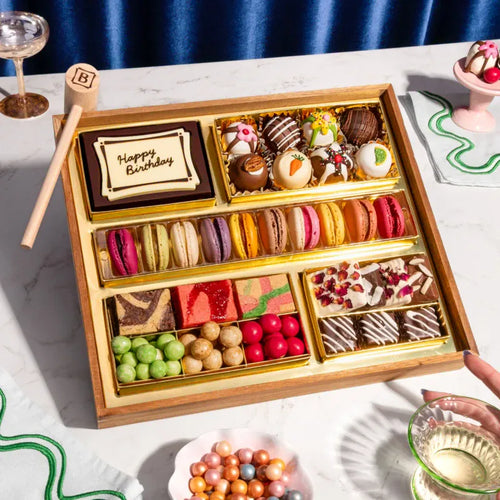
- Artisan Chocolate Collections: Single-origin and bean-to-bar chocolates have transformed the category from commodity to craft. A curated box of chocolates from named producers, with tasting notes and origin stories, turns a simple sweet gift into an educational experience. This category also accommodates dietary restrictions well, with many artisan chocolatiers offering vegan, dairy-free, and sugar-free lines without sacrificing quality.
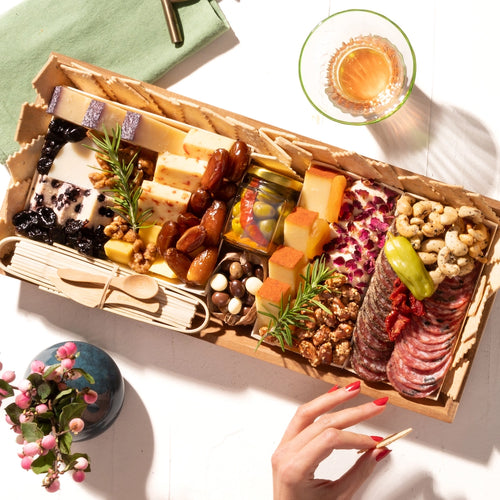
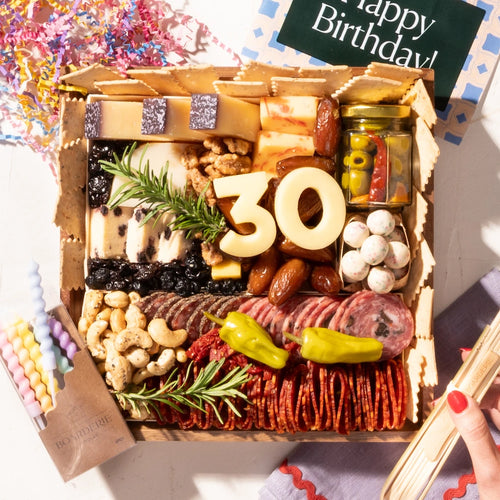
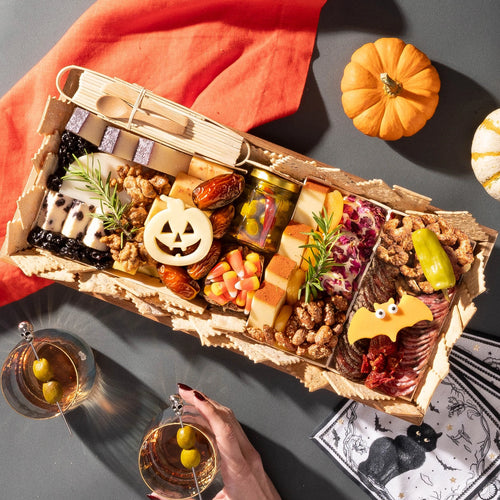
- Curated Dessert and Charcuterie Boards: This is one of the fastest-growing categories in corporate food gifting, and for good reason. A beautifully arranged board that combines artisan sweets with complementary savory items offers visual impact that individual boxes can't match. The presentation does half the work for you: recipients see the gift and immediately recognize the care invested. The format is also inherently shareable, making it ideal for office settings where a single gift can serve an entire team. Boards arrive ready to display, requiring no plating or preparation, which removes friction for the recipient.
- Specialty Bakery Subscriptions: Rather than a single gift moment, some companies are opting for multi-delivery models, a different dessert arriving each month for a quarter. This approach keeps your brand visible long after the initial gifting occasion and creates anticipation for each delivery. The per-unit cost is higher, but the sustained visibility and repeated positive associations can justify the premium for your most important relationships.
- Regional and Local Specialties: Sending a dessert gift that highlights the culinary identity of your company's home region adds a layer of personality that mass-produced options lack.
Build-Your-Own Dessert Experiences
An emerging category that pairs well with remote teams: curated ingredient kits that let recipients create their own dessert. Think baking kits for gourmet brownies, macaron-making sets, or DIY chocolate truffle collections. These gifts extend the experience beyond consumption, turning it into an activity and making it memorable in a different way.
Making It Personal Without Losing Your Mind
Personalization is the single most effective lever for increasing the perceived value of a corporate gift. 62% of companies now prioritize personalized gifts, recognizing that the same dollar spent on a generic gift and a personalized one produces vastly different outcomes. Here's how to scale personalization without creating a logistical nightmare.
- Tiered personalization is the most practical approach. For your top-tier recipients, invest in genuine personalization: handwritten notes, curated selections based on known preferences, and delivery timed to a specific occasion. For your mid-tier, use customized gift cards with the recipient's name and a specific reference to your working relationship, printed at scale. For your broadest tier, a well-written, warm message from leadership paired with a high-quality product does the job.
- Branded packaging offers another layer of personalization that scales efficiently. Many premium food gift vendors offer custom-branded boxes, ribbons, or inserts for bulk orders, typically at a modest upcharge.
- Recipient choice is the personalization approach that removes the most guesswork. Rather than selecting a single dessert gift for everyone, some corporate gifting platforms let you send recipients a selection link where they choose from a curated set of options. The recipient gets something they actually want, and you get credit for both the gift and for considering their choice.
The trajectory of corporate gifting is moving unmistakably toward quality over quantity, experience over object, and thoughtfulness over obligation. The companies that are getting the most return from their gifting budgets are the ones treating every gift as a deliberate act of communication.

For dessert gifts specifically, the opportunity is wide open. The category has been underserved by generic options for so long that any meaningful upgrade in quality, presentation, or personalization stands out immediately. A beautifully curated dessert board that arrives in premium packaging and includes a genuine note of appreciation doesn't just outperform the shrink-wrapped cookie tin. It operates in an entirely different category of impact. Audit your current gifting program against the framework in this post. Map your recipients to the right budget tier. Build your ordering timeline backward from the delivery date, not forward from whenever someone remembers to start. Choose vendors who own their logistics end-to-end. And above all, select dessert gifts that you'd be genuinely excited to receive yourself. That simple gut check is worth more than any gifting guide.
Sources:
- Coresight Research and GiftNow: Corporate Gifting Market Study
- GiftAFeeling: 229+ Corporate Gifting Statistics
- Bundled Gifting: The ROI of Corporate Gifting
- Sendoso: Corporate Gifting Industry and Market Data
- Small Packages: Corporate Gifting Budget Guide
- Collin Street Bakery: Corporate Holiday Gift Planning Timeline
- Boarderie: Corporate Gifting Services
- Boarderie: Why Gourmet Food Gifts Are the Gold Standard in Corporate Gifting
- Dallmann Confections: Holiday Gifts for Employees with Dietary Restrictions
- ValiantCEO: The Etiquette of Corporate Gifting
- Shadow Breeze: ROI of Corporate Gifting
