
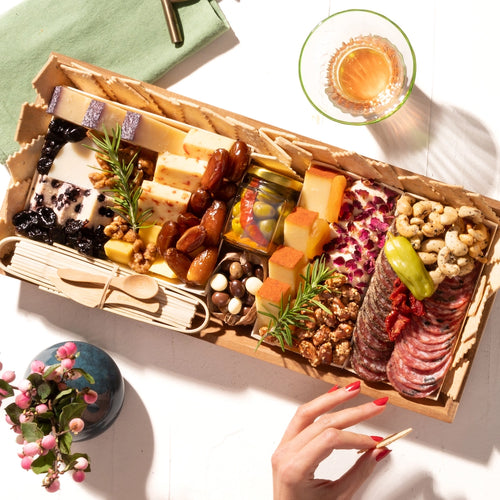


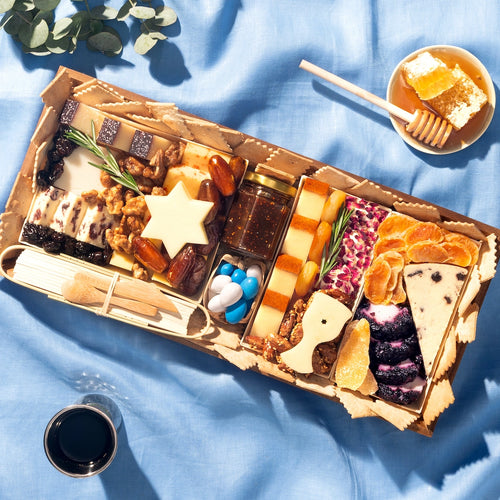


As seasons change, so do our cheese cravings. Sweltering summer days call for light cheese options that refresh the palate, while chilly winter nights beckon for cozy winter cheeses that bring comfort. What makes an ideal summer cheese can be very different from a cheese suited for cold weather. This is no accident of taste. Just like produce, cheese has distinct seasons. Factors like the animal’s diet and milk cycle mean a young goat cheese in July will taste different than one in January. Understanding these seasonal dynamics can help you choose the right cheeses year-round.

Summer Cheese Selections: Fresh, Soft, and Light
When the weather heats up, cheeses that are young, fresh, and water-rich tend to steal the show. Many barely-aged cheeses are at their peak during summer, especially those made from the rich milk of animals grazing on lush summer pasture. Delicate varieties like chèvre, feta, and mozzarella are often considered among the best summer cheeses because they require no aging and taste especially vibrant when made from summer milk. Below are a few summertime favorites:
-
Fresh Mozzarella & Burrata: Mild, milky cheeses known for their creamy centers. These Italian classics truly shine in warm-weather dishes. Think caprese salad with mozzarella, or a drizzle of olive oil over a summer burrata paired with vine-ripe tomatoes and basil. Their high moisture content makes them refreshing and light on the palate.
-
Goat Cheese (Chèvre): Soft goat cheeses are tangy and spreadable, often sold as young logs or disks. They have a pleasant tartness and creamy texture that works beautifully in salads or simply smeared on bread with a sprinkle of herbs. Chèvre made in summertime can carry subtle hints of the pasture and feels bright and fresh.
-
Ricotta: This fluffy, fresh cheese has a slightly sweet, mild flavor. It’s extremely versatile. Dollop it on summer fruit, mix it into cold pasta salads, or enjoy it on toast. For example, a summer squash ricotta tart or crostini showcases how well this light cheese pairs with seasonal vegetables.
-
Feta: A brined, crumbly cheese that brings a salty punch. Feta’s firm but creamy crumble is fantastic over watermelon cubes, cucumbers, or mixed greens. Its savory tang balances the sweetness of summer produce (like in a watermelon-feta salad) for a cooling, sweet-savory combination.
These cheeses demonstrate the appeal of going fresh and light in summer. They are usually served chilled or at room temperature, not cooked or melted. High moisture content and lower fat mean they won’t feel heavy. You can even put them in the fridge for a bit before serving so they’re extra cool.
Summer Pairings and Boards
How you serve it and what you serve with it matter. When building a warm-weather platter, focus on fresh accompaniments and simplicity. Choosing the right charcuterie board cheese in summer means favoring styles that won’t overwhelm on hot days. It’s the perfect occasion for pairing fresh fruit with brie or other creamy cheeses. Juicy produce like berries, peaches, melon, and figs brings out the best in a mellow cheese, adding bright contrast without heaviness. A wedge of Brie or Camembert topped with sliced strawberries or a spoonful of peach salsa makes a delightful sweet-savory bite. Similarly, fresh burrata with ripe cantaloupe or peaches is a match made in heaven, as the cheese’s richness is offset by the fruit’s nectar.
Don’t forget crisp vegetables and herbs: cucumber, cherry tomatoes, radishes, and bell pepper strips all add crunch and garden-fresh flavor alongside cheese. Tender herbs can be scattered around or even layered on the cheese to provide aroma and color. Balancing soft and firm cheeses is still important even in summer. You might include one harder variety for texture and contrast on your board. But overall, keep the feel airy and bright.
For charcuterie, opt for lighter cured meats. Thinly sliced prosciutto or jamón, delicate salami with herbs, or even a chilled poached shrimp can provide a bit of savory protein without dominating the cheese. A few salty bites actually enhance mild cheeses, and a sliver of prosciutto wrapped around melon and mozzarella is a classic Italian summer treat. Crackers or bread should be on the lighter side, too: thin water crackers, breadsticks, or lightly toasted baguette slices. You want delivery mechanisms for the cheese that don’t outshine it.
Consider the setting and temperature. A summer cheese board is often enjoyed outdoors, maybe at a picnic, backyard barbecue, or by the pool. Set out your cheeses just before serving and keep the board in the shade or indoors until needed, since many fresh cheeses can lose texture if they sit out in intense heat for too long. Offer chilled drinks that complement the cheeses: crisp white wines, rosé, iced tea with citrus, or even a light beer can all pair nicely. Every element should contribute to a refreshing, effortless vibe. When done right, a summer cheese spread feels like an extension of the season itself. Vibrant colors, ripe flavors, and a sense of casual abundance.

Winter Cheese Selections: Aged, Bold, and Comforting
As the weather cools and our appetites turn toward heartier fare, cheese can provide the ultimate comfort. Cheese for cold weather tends to be longer-aged, full-flavored, and often higher in fat, which gives that satisfying richness we crave in winter. Here are a few cheese categories that shine in winter:
-
Alpine Cheeses (Gruyère, Comté, Raclette, etc.): Firm, cooked-curd cheeses from high mountain regions, known for their toasty, nutty, and slightly sweet flavor. These are the cheeses you want for melting. A wedge of aged Gruyère brings a deep savory aroma, with crunchy cheese crystals that develop from long aging. These cheeses are superb on their own, but also transform beautifully in hot dishes.
-
Aged Cheddar and Gouda: Sharp cheddar provides a strong, tangy bite that can stand up to other rich foods. Aged Gouda, on the other hand, develops caramel sweetness and little crunchy tyrosine crystals, almost like butterscotch in cheese form. Both cheddar and Gouda become firmer and more intense with age, making them ideal winter nibbling cheeses. A thin slice of 2-year cheddar on a cracker with a dab of apple chutney or mustard can be incredibly comforting. And if you’re making a hot dish, these cheeses love to be baked or stirred into soups and sauces.
-
Blue Cheeses (Stilton, Gorgonzola, etc.): Winter is high season for blue cheese, which marries well with seasonal treats like nuts, port wine, and figs. A classic English Stilton is often enjoyed around the holidays, sometimes literally served with a glass of port or sherry. These bold, pungent cheeses have a way of warming the palate. Even if eaten in small quantities, a creamy blue can add a lot of character to a cheese board.
-
Soft-Ripened and Washed-Rind Cheeses: Not all winter cheeses are hard. Some of the most comforting are the small wheels of bloomy or washed-rind cheese that get super creamy. Brie and Camembert made in the winter can be especially rich. Serve them at room temperature or bake them until gooey. A wheel of Brie baked in puff pastry with pecans and cranberries is a holiday party staple. Meanwhile, washed-rind gems like Epoisses or Taleggio bring meaty, pungent aromas that can definitely hold their own in cold weather. One famous winter specialty is Vacherin Mont d’Or, a soft Swiss/French cheese available only in winter, traditionally warmed in its wooden box and scooped out like fondue.
These robust cheeses illustrate how winter welcomes intensity. They’re often aged for months or years, building complexity, or they’re high in fat and meant to be enjoyed warm and gooey.
Winter Pairings and Boards
Putting together a cheese spread in winter is all about amplifying that cozy, hearty feeling. Heavier cheeses can handle bolder accompaniments. This is the time to break out the robust salamis, smoked meats, rich chutneys, and strong condiments. Pairing salty cured meats with cheddar is a natural choice. The salt and fat in the meat complement the intensity of the cheese. A hearty meat and cheese board for winter entertaining can feature things like dry-cured sausages, pepper-crusted salami, smoked ham, or even pâté alongside the cheeses. These proteins add substance and umami, making the overall spread more filling.
Balance the rich and salty items with a touch of sweetness. Dried fruits are a classic winter pairing. Likewise, winter fruits such as apples and pears are excellent with cheese. Imagine a slice of crisp apple with a chunk of cheddar, or a spoonful of spiced apple chutney on a piece of Gouda. Jams, preserves, and honey are also wonderful for cutting through strong cheese flavors: try fig jam with blue cheese, cranberry relish with Brie, or honey with goat cheese. Spiced or herbal preserves can add an extra festive dimension.
For crunch and warmth, include roasted nuts, which lend a toasty note that fits the season. Candied nuts can hit the sweet-and-salty spot at once. Whole-grain crackers, slices of dense rye or sourdough bread, and even gingerbread or fruitcake can all serve as bases for your cheeses in winter. These heartier breads and crackers stand up to the bold flavors and add their own depth.
Visually and thematically, a winter board tends to look rustic and abundant. Don’t be afraid to create a large charcuterie board as a centerpiece for a holiday party. Something piled high with wedges of aged cheese, rounds of cured meats, piles of fruit and nuts, and little bowls of pickles or mustard. The generous display itself feels celebratory. You can garnish with winter greenery or herbs for presentation, but functionally, the board should offer a variety of intense flavors and comforting bites. Consider serving some items warm: a small fondue pot of melted cheese, a baked Brie, or simply keeping bread warm in a cloth. Warmth makes the experience even more cozy. A winter cheese board is an invitation to indulge. It’s about layering savory and sweet, soft and crunchy, all in a way that makes people want to gather around the table.
Balancing Textures and Flavors Year-Round
No matter the season, a great cheeseboard is all about balance and variety. This means balancing soft and firm cheeses, mild and bold flavors, and, if possible, a mix of animal milk types. A common guideline is to include at least one cheese from each major category of texture. Select one hard cheese, one softer crowd-pleaser, and one very bold option to create a well-rounded selection. This way, you cater to a range of tastes. The best cheese for charcuterie boards is that which includes a mix of ages and textures, ensuring no two cheeses are too alike. Variety keeps your guests interested, encouraging them to compare and find their favorite combinations.

Cheese is a food meant to be enjoyed year-round, but paying attention to the seasons can truly enhance that enjoyment. In summer, you’ll relish the simple pleasures of milky fresh cheeses with produce at its peak. In winter, you’ll appreciate the depth of aged wheels and the way they warm and comfort you. By adapting your cheese choices and pairings to the time of year, you’re not following a strict rulebook so much as celebrating what each season offers.
If assembling an elaborate cheese platter for each occasion feels daunting, remember that you can always start small with just a couple of seasonal picks. Or, to truly make things easy, take advantage of modern conveniences. Charcuterie board delivery services like Boarderie can curate a ready-to-serve assortment of seasonal cheeses and accompaniments, shipped straight to your door. However you go about it, don’t hesitate to explore and experiment. One season might introduce you to a new favorite cheese or a pairing you hadn’t imagined. By the time the calendar turns again, you’ll have a whole repertoire of seasonal cheese ideas to enjoy and share. Choosing cheeses by season is about pleasure and discovery. It heightens your appreciation for both the cheese and its context. Embrace these contrasts, and let each cheese board tell the story of the season you’re in.
Sources:
-
The Cheese Professor – How to Find the Right Season to Buy Your Favorite Cheeses
-
KimEcopak (Cuisine) – Seasonal Cheese Trends – Flavors & Pairings for Every Season
-
D Magazine – Winter Cheeses Are Worth Waiting For
-
Wisconsin Cheese – Charcuterie and Cheese Board Basics
