


If you’re looking for creative serving ideas for charcuterie beyond the traditional platter, consider the latest trend of individual charcuterie portions. Instead of one big board that everyone grazes on, hosts are now preparing charcuterie board cups, essentially mini charcuterie boards served in single-serve cups or cones. These personal servings have taken off in popularity. They combine all the delicious elements of a classic meat and cheese board in a portable format that’s perfect for mingling.

Why Choose Individual Charcuterie Cups and Cones?
Individual charcuterie in a cup servings have numerous benefits for both hosts and guests. Below are some key advantages that explain why these mini servings have become a go-to option:
- Perfect Portions and Less Mess: With charcuterie cups, each guest gets their own generous bite-size assortment, eliminating the need to crowd around a single board or worry about double-dipping. These mini charcuterie cup portions provide all the variety of a full board, but in a perfectly portioned format. There’s no confusion over whose snacks are whose, and no fighting over the last piece of brie. Each person has their own little cheese and charcuterie sampler, which means less mess and easier clean-up.
- Hygiene and Safety: With everyone having their own cup or cone, there are no shared utensils or hovering over one platter. This dramatically reduces the spread of germs and makes charcuterie cups for parties an appealing choice when health is a priority. For modern gatherings, personal servings feel extra considerate and mess-free.
- Grab-and-Go Convenience: Charcuterie cups and cones are incredibly convenient to eat. There’s no need for plates or forks. Guests can grab a cup and wander, which is ideal for cocktail hours and receptions. This mobility means people can snack while they mingle, sip a drink, or move around without juggling a heavy plate. In other words, these cheese and meat cups turn a stationary grazing table into a portable experience. Guests can nibble from their cup while chatting, making the atmosphere more relaxed and interactive.
- Customizable for Everyone: Another big advantage is the ability to tailor each individual charcuterie cup to different tastes or dietary needs. With one big board, it can be tricky to accommodate everyone. However, with individual cups, you can create a few vegetarian options, some without nuts for those with allergies, or mild versions for kids. The host has full control to ensure each guest gets a mix of items they’ll love. This personalization makes everyone feel considered.
- Visual Appeal and Fun Presentation: Lined up on a tray or displayed, they resemble a bouquet of savory treats. The vertical arrangement allows for creative styling with height, color, and garnish in each cup. In many ways, they are even more eye-catching than a flat board because of their 3D “little bouquet” look. Guests often comment on how cute and elegant they are. The novelty factor alone makes them a conversation piece and a hit on social media. Your spread instantly looks professionally catered when you include charcuterie cups or cones.
Opting for charcuterie cups and cones gives you portion control with style, hygiene, portability, personalization, and plenty of wow factor. It’s a small change that upgrades the whole grazing experience for your guests.
What to Put in a Charcuterie Cup
When assembling a charcuterie cup, think of it as a miniature version of a full charcuterie board. There isn’t a strict charcuterie cup recipe to follow. It’s more about combining a variety of complementary items and flavors, just like you would on a large board. Here’s a breakdown:
- Cheeses: Include one or two types of cheese cut into small, bite-sized pieces. A mix of textures is nice, such as sharp cheddar cubes, a small wedge of creamy brie, or a few crumbles of goat cheese. Choose cheeses that can hold their shape. Cheese and meat cups typically shine with familiar favorites like cheddar, gouda, manchego slices, or even a mini mozzarella ball. Aim for approximately 1–2 ounces of cheese per cup, divided between two varieties for variety.
- Cured Meats: Charcuterie literally means preserved meats, so this is essential. Use thin slices of cured meats like salami, prosciutto, soppressata, pepperoni, or jamón. To make them fit nicely, fold or roll the slices. You might tuck a salami rose or a prosciutto ribbon into each cup. One or two types of meat are plenty per cup. Choose meats that pair well with your cheeses. A spicy soppressata with mellow cheddar, or prosciutto with creamy brie.
- Fresh Fruit & Veggies: Add fresh elements for color, sweetness, and balance. Grapes are a classic charcuterie addition and work great at the bottom of a cup. Berries like strawberries, blueberries, or blackberries add bright color and acidity. Cherry tomatoes or cucumber spears can bring a refreshing bite and a pop of color as well. Aim for a couple of pieces of fruit in each cup for a touch of sweetness and visual appeal.
- Crunchy Carbs: Every charcuterie needs some crackers or bread. In a cup, you can use short breadsticks, pretzel rods, bread twists, or sturdy crackers. Choose smaller crackers that won’t break apart – or stand a thin breadstick at the back of the cup for height. You might also include a slice of baguette crostini if it fits. These crunchy elements give that satisfying texture contrast and serve as vehicles for the cheese and meat. Try to include at least one cracker or breadstick in each cup.
- Nuts & Salty Snacks: A small handful of nuts adds great crunch and flavor. They also fill gaps at the bottom of the cup and help keep other items in place. Beyond nuts, you can use salty snacks like mini pretzels, sesame sticks, or even popcorn for a fun twist. These little fillers round out the savory profile and give your guests something to munch on between bites of cheese.
- Pickles & Olives: Tangy pickled items provide a zesty contrast to the rich cheeses and meats. Consider adding a cornichon or two, or a couple of olives. Because these are wet items, it’s best to skewer them or place them in a way that they don’t directly touch crackers. You can stick an olive on a cocktail pick and nestle it in, for example. A pickled item or two per cup is plenty to give that burst of briny flavor.
- Something Sweet: It’s always nice to have a sweet note. Dried fruits like apricots, figs, or golden raisins are perfect since they’re not messy and pair well with cheese. You could also include a piece of chocolate or a yogurt-covered almond for a treat at the end. Another popular touch is a honey stick; those little straws filled with honey can be popped into a cup to drizzle on the cheese. Just one or two sweet elements are enough; they leave guests with a pleasant finish after the savory bites.
- Fresh Garnish: Don’t forget a bit of greenery to make it beautiful. A fresh herb sprig, such as rosemary or thyme, adds a lovely fragrance and makes the cup look polished. It’s not meant to be eaten, but it provides aroma and color. Charcuterie cup presentation tips often recommend herbs or even edible flowers as the finishing touch.
The goal is to mimic a well-rounded charcuterie board in miniature form: a balance of creamy, salty, sweet, and crunchy in every serving. And because everything is packed into a small container, it actually makes assembly easier than you might think.

How to Make Charcuterie Cups (Step-by-Step Assembly)
For those who love a little DIY project in the kitchen, this is a perfect task. The charcuterie cups DIY approach is quite straightforward and enjoyable. Let’s walk through the process of assembling your own charcuterie cups:
- Gather Your “Vessels” and Tools: Start by choosing and preparing the cups or cones that will hold your charcuterie. Small, clear plastic cups, paper treat cups, or even stemless wine glasses can work. A cup in the 3 to 5-ounce range is an ideal size. It’s big enough to fit a variety of items but still single-serving. If using paper cones, have a cone holder or some method to prop them upright while you work. Also, gather small skewers or toothpicks, which will help in arranging items. Set up your DIY charcuterie snack cups workstation with all cups, ingredients, and tools at the ready.
- Prep and Cut Ingredients: Before filling the cups, do all the slicing and prep work. Cut cheeses into bite-sized pieces. Slice any larger fruits. Fold or roll the slices of meat so they are ready to place. Having everything pre-portioned will make assembly much smoother.
- Start with a Base Layer: Begin assembling by adding a base to the bottom of each cup. Heavy items work well here because they help weigh down the cup, providing stability. Grapes, nuts, or small crackers can form this bottom layer. For instance, drop in a handful of almonds or a cluster of grapes. The base not only provides weight and stability, but also creates a platform to attach other items, ensuring they stay in place nicely.
- Add Tall Items for Height: Next, place the tallest item towards the back of the cup to act as a backdrop. Common choices are a breadstick, a pretzel rod, or a long cracker. If you prepared any long skewers, those can also provide height. Gently push these tall items into the base layer so they stand upright. This vertical element is crucial for visual appeal. It adds dimension to the cup and makes it easier to hold without everything spilling out.
- Arrange Cheeses and Meats: Now add your cheeses and meats, which are the heart of the charcuterie. Place a few pieces of cheese and the folded meats into the cup, distributing them so they’re not all clumped together. You can stick some on short skewers or toothpicks to help position them upright. Spear a cheese cube and a folded salami slice on a pick and set it in the cup. Tuck another slice of meat around the breadstick. The idea is to alternate cheese and meat for a nice mix, and use the skewers to showcase those items visibly.
- Fill with Fruits and Extras: After the main cheeses and meats are in, add the fruits and other extras in the remaining space. Slip in a couple of berries or a cherry tomato at the front, where their color can shine. Drop in a dried apricot or a chocolate-covered pretzel. If you have olives or pickles on a pick, insert those as well. These smaller items can fill any gaps and make the cup look abundant. Be careful not to overstuff, as you want it full but not so crowded that things get squished or fall out. Remember that less can be more; a thoughtfully arranged cup often looks better than one crammed to the brim.
- Garnish and Finish: Lastly, top each cup with a fresh garnish for that professional touch. Take a small sprig of rosemary, thyme, or basil and stick it in the back or center. The greenery adds a beautiful contrast and an enticing aroma. A little herb sprig poking out makes the whole arrangement feel polished. If you have edible flowers, you could add one for extra flair. Once garnished, your charcuterie cups are complete!
A quick extra tip: If you’re not serving the cups immediately, keep them refrigerated. You can assemble them an hour or two ahead of your event, cover them lightly with plastic wrap, and store them in the fridge so everything stays fresh.
Charcuterie Cones: A Creative Twist on Individual Servings
In addition to cups, creative charcuterie cones have become popular for single servings. A charcuterie cone is just what it sounds like: all your meats, cheeses, and snacks arranged in a cone-shaped holder instead of a cup. They often look like delectable little bouquets of food. The assembly is similar, but there are a few special considerations for cones due to their shape. Creative cones offer all the same advantages as cups. They’re single-serve, beautiful, and fun. They might even feel a bit more festive, like receiving a gift-wrapped treat. Don’t hesitate to mix both cones and cups at the same event, too. For example, you could serve savory items in cones and perhaps use cups for a dessert charcuterie. Both formats complement each other, adding variety to your display.
DIY or Buy: Making Charcuterie Cups vs. Buying Pre-Made
As you plan to incorporate charcuterie cups and cones into your entertaining, you might wonder whether to prepare them yourself or to purchase them from a caterer or store. The answer depends on your time, budget, and the desired look. The DIY route gives you full creative control. You can hand-pick all the ingredients, accommodate your guests’ preferences or allergies, and theme the cups exactly as you like. It’s often more cost-effective to assemble them yourself, since you can buy the ingredients in bulk and portion them out. Preparing DIY charcuterie snack cups can be a great way to add a personal, homemade touch to your event. Guests will appreciate the effort and customization.

On the other hand, there are times when buying pre-made individual charcuterie servings might be worth it. If you’re extremely short on time or hosting a very large event, professional help could be the way to go. Many local catering companies, charcuterie board businesses, or even upscale grocery stores offer individual charcuterie cups or cones as part of their catering menu. You can often buy charcuterie cups online through these services, specifying how many you need and what you’d like in them. They will arrive assembled and ready to serve, saving you the effort. This convenience is beneficial for corporate events or weddings where you have plenty of other details to manage.
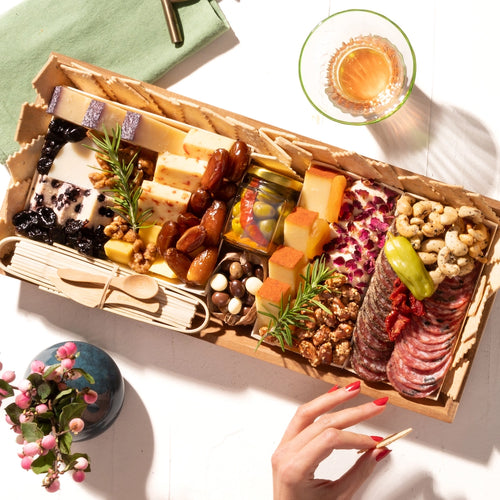
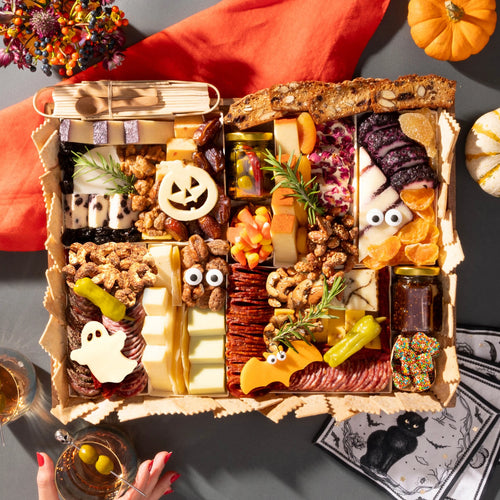
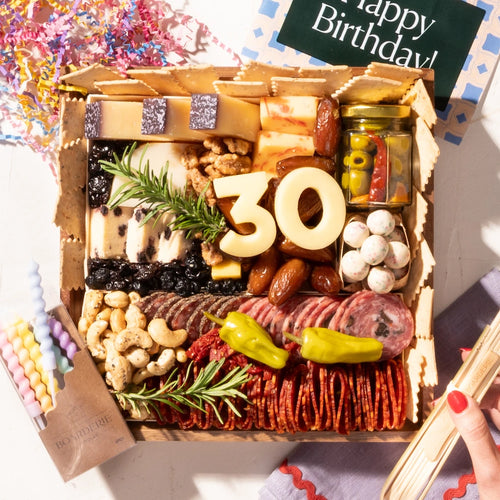
If you’re looking for a completely effortless solution for charcuterie, you’ll be interested to know that some companies specialize in delivering gourmet charcuterie assortments to your door. For instance, Boarderie is a notable U.S. brand that offers nationwide delivery of beautifully arranged cheese and charcuterie boards. They curate high-quality meats, cheeses, and accompaniments and ship them fresh, so you receive a ready-to-serve board without any work on your part. While Boarderie’s products are full boards rather than individual cups, you could easily transfer some items into cups for serving, or use their board as the centerpiece and supplement with a few individual cones on the side. The existence of such services shows how popular and in-demand artfully arranged charcuterie has become.
By now, you have seen that there are countless charcuterie cup ideas to try. From assembling classic combinations in a cup to experimenting with themed cones for different events, the possibilities are endless. The next time you plan a party or even a cozy night in, think beyond the big grazing board. Enjoy the process of creating these mini delights, and watch your guests’ faces light up when you hand them their very own charcuterie cup. It’s a modern twist on a time-honored entertaining favorite, and it’s here to stay.
Sources:
-
Feast & West – Charcuterie Cups feastandwest.com
-
Frolic & Fare – How To Make Charcuterie Cones frolicandfare.com
-
Boarderie – Unique Charcuterie Board Ideas to Impress Every Guest boarderie.com
