
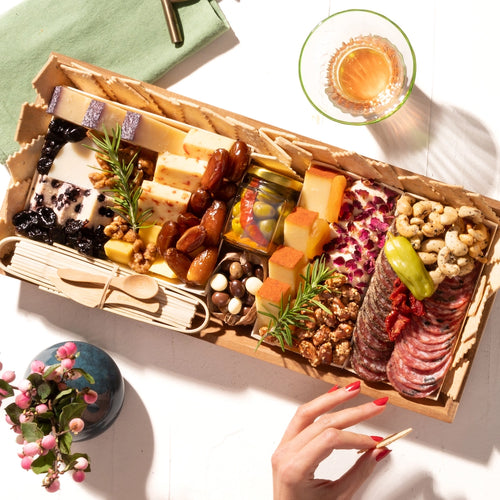
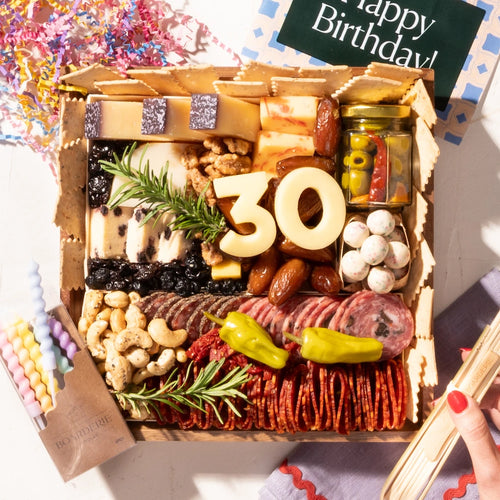
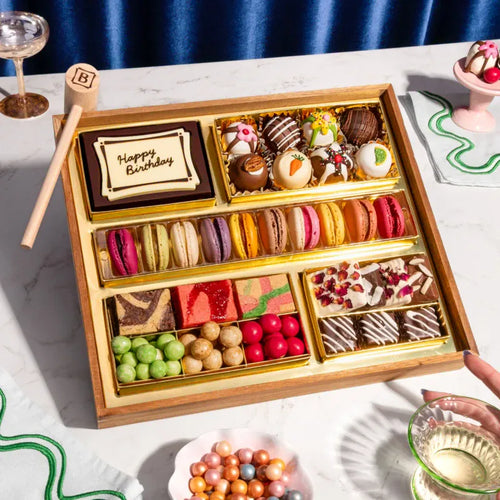
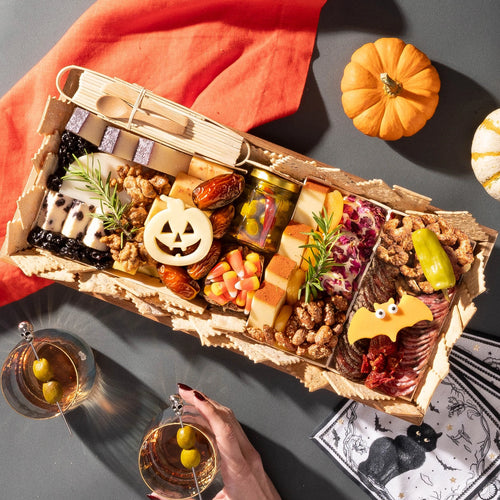


A charcuterie board is a curated platter that artfully displays a variety of meats and accompaniments, embodying both culinary delight and visual appeal. The ability to combine flavors and textures transforms a simple meal into an engaging experience, inviting guests to explore new pairings and indulge in gourmet snacking. The rise in popularity can be attributed to their adaptability and ease of preparation. They require minimal cooking skills but demand an eye for detail and presentation. Hosts can effortlessly adjust the board's components to fit the occasion, whether it's a casual get-together or an elegant soirée. The interactive nature encourages guests to mingle, share, and discover new favorites. This communal aspect fosters a relaxed atmosphere, making them an excellent choice for stress-free entertaining.

Charcuterie Board Basics and Definitions
At its core, a charcuterie board is a thoughtfully arranged platter featuring a selection of preserved meats and assorted accompaniments, designed to offer both a culinary and visual experience. The word “charcuterie” itself is rooted in French tradition, initially referring to the art of preparing and assembling cured meats such as prosciutto, salami, and pâté. Dating back to 15th-century France, charcuterie was developed as a practical means of preserving meat before the advent of refrigeration. Charcutiers—specialists in the craft—employed techniques like salting, smoking, and air-drying to extend the shelf life of pork and other meats, turning preservation into an artisanal culinary practice. Over time, these methods spread throughout Europe, with each region adding its own distinctive flavors and specialties to the tradition.
In its original form, a traditional charcuterie board was composed almost exclusively of various cured meats, often accompanied by simple sides such as pickles, mustards, and rustic bread. The focus was on showcasing the rich, savory flavors and diverse textures of meats that had been carefully crafted and aged. However, as charcuterie boards gained popularity outside of France, their composition began to evolve. Modern interpretations frequently expand beyond meat to include a variety of cheeses, fresh and dried fruits, nuts, olives, spreads, and even sweets. This evolution reflects both the influence of global culinary trends and the desire for greater variety and creativity in entertaining.
Board Sizing, Portions, and Equipment
Selecting the right board size, calculating portions, and choosing the appropriate equipment are crucial first steps for creating a charcuterie board that is both visually appealing and practical for your gathering. The foundation begins with understanding your guest count and matching it to the correct board dimensions. For intimate gatherings of two to four people, a board measuring around 9 x 12 inches is typically sufficient. This compact surface allows for a curated selection of meats, cheeses, and accompaniments without overwhelming the presentation. For medium-sized groups of six to ten guests, consider a board in the 12 x 18 inch range or a large round board with a 15–18 inch diameter. This size provides ample space for variety and creative arrangement, accommodating more ingredients while ensuring everything remains accessible. When hosting larger parties of twelve or more, opt for an expansive board—such as a 20 x 24 inch rectangle or a 24-inch round tray—or even utilize multiple boards arranged together for a dramatic grazing table effect. The key is to avoid overcrowding, which can make it difficult for guests to serve themselves and detract from the board’s visual appeal.
Portion planning is equally essential to ensure that every guest enjoys a satisfying selection without excessive waste. A general guideline for homemade charcuterie boards served as an appetizer is to allocate 2–3 ounces each of cheese and cured meat per person. If the board is intended as the main meal, increase this to 4–5 ounces per person. Complement these core components with a generous but balanced selection of accompaniments: plan for a handful of crackers or bread slices per guest, along with small portions of fruits, nuts, and spreads to round out the experience. For themed boards or longer events, scaling up the quantities and variety can help maintain abundance throughout the gathering. When in doubt, it’s better to overestimate, as leftovers can be easily repurposed slightly.
Equipping yourself with the right tools ensures a smooth serving experience and enhances guest enjoyment. Essential equipment includes a sturdy serving board or platter, cheese knives for different textures (such as a soft cheese spreader and a hard cheese knife), small tongs or forks for picking up meats and accompaniments, and ramekins or small bowls for dips, olives, or spreads. Providing cocktail napkins, small plates, and extra serving utensils helps keep the board tidy and accessible. For larger gatherings, consider labeling cheeses and meats with small cards or markers to guide guests through the selection.
History and Evolution of Charcuterie
The origins of charcuterie trace back to 15th-century France, where it emerged as a method to preserve meat before the advent of refrigeration. Artisan charcutiers developed techniques like salting, smoking, and curing to extend the shelf life of various meats, creating a staple in French cuisine. Over time, these methods spread across Europe, each region adding its unique twist to the practice. Today, charcuterie is celebrated worldwide, synonymous with craftsmanship and gourmet indulgence.
In recent years, charcuterie has evolved beyond its traditional confines, influenced by global culinary trends and the growing interest in artisanal food. Contemporary charcuterie boards often incorporate international flavors and ingredients, reflecting a fusion of cultures. This evolution is evident in the inclusion of diverse elements like Japanese pickles, Spanish chorizo, or Middle Eastern nuts, transforming the classic charcuterie board into a multicultural culinary canvas. This adaptability ensures that charcuterie remains a relevant and exciting option for modern hosts.
Key Components of a Charcuterie Board
Crafting a successful charcuterie board begins with understanding its key components, which typically include a diverse variety of meats, cheeses, and carefully selected accompaniments. Each element plays a crucial role in building a balanced and engaging culinary experience.
Meats
Crafting the perfect charcuterie board is an art form, and the selection of cured meats plays a pivotal role in creating a truly memorable experience. These savory additions provide a spectrum of flavors, textures, and aromas that can elevate your board from simple to spectacular. When thoughtfully chosen, they offer an exciting journey for the palate, ensuring there's something to delight every guest, whether they prefer subtle and delicate or bold and spicy. The foundation of any charcuterie board, meats provide a spectrum of rich flavors and textures. Popular choices include:
-
Prosciutto: Renowned for its delicate, salty, and subtly sweet taste, prosciutto is a dry-cured ham that embodies elegance. Its signature melt-in-your-mouth texture, achieved through a meticulous curing process, makes it an undeniable crowd-pleaser on any charcuterie board. This thinly sliced delicacy, often aged for months or even years, develops a nuanced flavor profile that pairs exquisitely with fresh fruits like melon, creamy cheeses such as mozzarella or burrata, and crusty bread. Offering a lighter, more refined option, prosciutto adds a touch of sophistication and a delightful counterpoint to bolder flavors on the board, ensuring a well-rounded and appealing selection for all palates.
-
Salami: A highly versatile cured sausage, salami comes in a captivating array of varieties, each offering a unique culinary adventure. From the mild and garlicky Genoa to the peppery and robust soppressata, or the fennel-infused finocchiona, the options are extensive, allowing for diverse flavor profiles and textures. You can find salami that is firm and sliceable, offering a satisfying bite, or more tender varieties that melt in your mouth. Its inherent saltiness and often spicy kick make it an excellent companion to tangy pickles, sharp cheeses, and crisp crackers, providing a delightful contrast and an exciting dimension to your charcuterie spread.
-
Coppa: This exquisitely cured pork shoulder distinguishes itself with its beautiful marbling and a richer, more robust flavor compared to the lighter prosciutto. Coppa offers a delightful chewiness and a deeper, more intense pork flavor that develops during its careful curing and aging process. It's visually appealing fat marbling not only contributes to its rich taste but also to its succulent texture, making it a standout addition to any charcuterie board. When paired with nutty hard cheeses, sweet fig jam, or a drizzle of balsamic glaze, coppa truly shines, providing a satisfying and flavorful experience that adds depth and complexity to your selection.
-
Chorizo: For those who appreciate a spirited kick and vibrant color, chorizo is an indispensable cured sausage. Its characteristic spiciness, derived from paprika and other seasonings, awakens the palate and adds an exciting dimension to the charcuterie board. Beyond its fiery flavor, chorizo also contributes a beautiful reddish-orange hue, enhancing the visual appeal of your spread. Whether you opt for a smoky Spanish chorizo or a more piquant Mexican variety, its robust flavor stands up well to bolder pairings like aged cheddar, tangy olives, or a hearty red wine, ensuring a dynamic and memorable taste experience for guests who enjoy a bit of spice.
-
Pâté or Terrine: To introduce a touch of luxury and sophisticated texture to your charcuterie board, consider including a smooth pâté or a rustic terrine. These finely ground or coarsely chopped meat preparations offer a completely different textural dimension, ranging from silky and spreadable to firm and sliceable, providing a delightful contrast to the cured meats. Pâté, often made from liver, offers a rich, umami-laden flavor that can be subtly sweet or savory, while a terrine, often a more rustic preparation, can feature a blend of meats and vegetables. They pair beautifully with toasted baguette slices, cornichons, and a touch of fruit compote, elevating the board with an element of refined indulgence.
By thoughtfully selecting a range of these exquisite cured meats, you can create a charcuterie board that is not only visually stunning but also offers an unforgettable culinary journey for your guests. The diversity in flavor, texture, and aroma ensures that every bite is a new discovery, making your entertaining efforts truly stress-free and immensely enjoyable.
Cheeses
Crafting the perfect charcuterie board begins with a thoughtful selection of cheeses, ensuring a delightful journey for every guest's palate. The key is to offer a spectrum of flavors and textures, creating a harmonious and memorable experience. Aim for at least five distinct types to provide a comprehensive sampling of the cheese world.
-
Soft and Creamy Cheeses: Begin your selection with a soft and creamy cheese, offering a delicate and approachable starting point. Options like Brie or Camembert provide a rich, buttery melt-in-your-mouth experience, often with subtle earthy or mushroom notes. Fresh goat cheese (chèvre), on the other hand, presents a brighter, tangier profile that cleanses the palate beautifully. These cheeses are excellent for spreading on crackers or baguette slices, providing a smooth contrast to firmer textures on the board. Their mildness also makes them a popular choice for those new to artisanal cheeses.
-
Semi-Hard and Versatile Cheeses: No charcuterie board is complete without a semi-hard cheese, which offers a satisfying chew and a range of nuanced flavors. Cheddar, whether sharp or mild, is a classic choice, delivering nutty and savory notes that are universally appealing. Gruyère, with its complex, nutty, and slightly sweet undertones, adds an element of sophistication. Gouda, especially a younger variety, provides a creamy texture and a mild, buttery flavor. These cheeses are versatile, pairing well with a wide array of accompaniments, from sweet fruits to savory cured meats, making them a cornerstone of your board.
-
Hard and Aged Cheeses with Character: To introduce depth and intensity, incorporate a hard and aged cheese. These varieties are characterized by their firm, often crystalline textures and concentrated flavors that develop over time. Parmesan, with its robust, salty, and umami-rich profile, adds a powerful punch, while Manchego offers a distinctive nutty and slightly sweet taste. An aged Gouda, distinct from its younger counterpart, brings a deeper caramel-like sweetness and a more crumbly texture. These cheeses are perfect for breaking into shards and savoring, offering a concentrated burst of flavor that lingers on the palate.
-
Pungent and Bold Blue Cheeses: For the adventurous palate, a blue cheese is an indispensable addition, providing a striking contrast to the other selections. Varieties like Roquefort, Gorgonzola, or Stilton are known for their distinct pungent, earthy, and often tangy flavors, thanks to the veining of edible mold. These cheeses can be surprisingly creamy despite their bold aroma and taste. Blue cheeses pair exceptionally well with sweeter accompaniments such as honey, figs, or dark chocolate, as the sweetness helps to balance their intense flavor profile. They offer an exciting and memorable experience for those who appreciate strong, unique tastes.
-
Smoked or Herb-Infused Cheeses for Intrigue: To add an unexpected twist and enhance the overall complexity of your board, consider including a smoked or herb-infused cheese. A smoked cheddar or Gouda introduces a rustic, savory depth, evoking a sense of warmth and earthiness. Cheeses infused with herbs like rosemary, thyme, or chives offer a fresh, aromatic dimension that can beautifully complement the other flavors. These specialty cheeses demonstrate thoughtfulness and creativity, inviting guests to explore unique flavor combinations and adding an element of surprise to your carefully curated selection, ensuring a memorable culinary journey.
By thoughtfully curating a diverse array of cheeses, encompassing a range of textures, flavors, and aromas, you can transform a simple gathering into an unforgettable culinary experience. Remember, the art of the charcuterie board lies in balancing familiar favorites with intriguing new discoveries, ensuring there's something to delight every guest.

Accompaniments
A well-curated charcuterie board is a feast for the senses, offering a delightful array of flavors and textures. The art of assembly lies in understanding how each component contributes to a harmonious and enjoyable tasting journey. By thoughtfully selecting and arranging diverse elements, you can transform a simple gathering into a memorable culinary experience for your guests.
-
Olives: Incorporate a thoughtful medley of green and black olives, such as the buttery Castelvetrano or the rich, briny Kalamata. Their distinctive salty and tangy notes provide an essential contrast to the richness of cheeses and meats, acting as a palate cleanser that refreshes and prepares the taste buds for the next bite. Consider presenting them in small, elegant bowls to add a touch of sophistication, and perhaps marinate some in olive oil with a hint of garlic and herbs to further enhance their unique characteristics and aromatic appeal. This thoughtful inclusion elevates the overall flavor profile of the board.
-
Nuts: Introduce a satisfying textural crunch with a selection of premium nuts like toasted almonds, earthy walnuts, buttery pecans, and vibrant pistachios. These additions not only provide a delightful counterpoint to softer ingredients but also contribute a subtle depth of flavor and a touch of rustic elegance. Scattering them artfully around the board, perhaps nestled beside a creamy cheese or a sweet dried fruit, encourages guests to explore different combinations and appreciate the diverse sensory experience. Their healthy fats and protein also offer a substantial and satisfying element to the spread.
-
Fruits: Offer a refreshing and sweet balance with a vibrant array of fresh and dried fruits. Crisp apple slices, sweet grapes, juicy berries, and succulent figs provide a light, refreshing counterpoint to the savory elements, cleansing the palate and adding a burst of natural sweetness. Complementing these are concentrated dried fruits such as chewy apricots, tart cranberries, and rich dates, which offer intense sweetness and a delightful chewiness. Their vibrant colors also add visual appeal, making the board more inviting and visually appealing, inviting guests to indulge in a healthy and flavorful addition.
-
Spreads and Dips: Elevate the flavor complexity of your board with a thoughtful selection of sweet and savory accompaniments. Sweet options like fig jam, apricot preserves, or golden honey provide a delightful contrast to sharp cheeses and salty cured meats, creating irresistible pairings. For savory notes, offer robust mustards—Dijon or whole grain—to cut through richness, or a creamy hummus and olive tapenade for an extra layer of savory depth. These versatile additions encourage guests to experiment with different flavor combinations, enhancing the interactive and customizable nature of the charcuterie experience.
-
Crackers and Breads: Provide a diverse foundation for your culinary creations with an assortment of crackers and breads, varying in texture and flavor. Offer a selection ranging from crisp, plain crackers that allow other flavors to shine, to artisanal bread slices like crusty baguette or tangy sourdough, perfect for piling with ingredients. Include breadsticks for a playful element and consider gluten-free options to cater to all dietary needs. The variety ensures that every guest finds the perfect vessel for their chosen pairings, adding essential crunch and substance to the charcuterie board.
By thoughtfully curating a diverse array of olives, nuts, fruits, spreads, and crackers, you create a dynamic and appealing spread that caters to every palate. This meticulous attention to detail not only ensures a delightful tasting experience but also elevates your entertaining, making it both stress-free and truly memorable for everyone involved.
Pairing Suggestions and Serving Tips
An exceptional charcuterie board experience is not just about the variety of ingredients, but how thoughtfully they’re paired and served. Classic food pairings are the foundation of a memorable board. For cheese, consider how flavors and textures interact with accompaniments. Blue cheese, with its bold and pungent profile, is beautifully mellowed by a drizzle of honey or a spoonful of fig jam, allowing the sweet notes to balance the cheese’s intensity. Cheddar, especially when aged, finds its perfect match in crisp apple slices—this pairing highlights the cheese’s sharpness while the apple brings a refreshing crunch and subtle sweetness. Prosciutto and melon is another timeless combination, where the salty, delicate ham contrasts with the juicy, fragrant fruit, offering a harmonious blend of savory and sweet. Soft cheeses like Brie or Camembert are enhanced by tart berries or a dollop of apricot preserves, while nutty Manchego pairs well with Marcona almonds and quince paste.
Beverage pairings further elevate the charcuterie experience. When selecting wine, aim to complement or contrast the dominant flavors of your cheeses and meats. Creamy, mild cheeses such as Brie or goat cheese pair well with sparkling wines or crisp Sauvignon Blanc, which cut through the richness and refresh the palate. Aged cheddars and Gouda stand up to fuller-bodied reds like Cabernet Sauvignon or Merlot, whose tannins balance the cheese’s intensity. Blue cheese is famously complemented by sweet wines like Sauternes or Port, which soften the cheese’s pungency. For meats, light-bodied reds such as Pinot Noir pair seamlessly with prosciutto and salami, while spicy chorizo finds harmony with a chilled rosé or even a wheat beer. For non-alcoholic options, sparkling water with citrus or apple cider can provide a bright, palate-cleansing contrast. Serving tips are essential for maximizing flavor and enjoyment. Cheeses should be served at room temperature—remove them from the refrigerator 30–60 minutes before serving to allow their aromas and textures to fully develop. Arrange your board with a progression in mind, starting with milder flavors and moving towards stronger ones. Place delicate cheeses and meats at one end, gradually leading to bolder, more pungent selections. This encourages guests to taste in an order that won’t overwhelm their palate early on. Accompaniments such as fresh fruit, nuts, and spreads should be interspersed between cheeses and meats to encourage creative combinations and provide palate cleansers. Offer a variety of crackers and breads, but keep them separate from moist ingredients to maintain their crunch. Finally, provide separate knives or utensils for each cheese to preserve individual flavors and textures.
Easy Charcuterie Recipes for Beginners
Simple Cheese and Meat Combinations
Creating a delightful charcuterie board starts with the classic pairing of cheese and meat. For beginners, selecting a balanced variety of textures and flavors is key. Start with soft cheeses like Brie or Camembert, which offer a creamy contrast to the firmer textures of aged Gouda or Cheddar. Pair these with meats such as prosciutto, which is delicately salty, and salami, offering a robust, spicy flavor. A well-curated selection provides not only a feast for the taste buds but also a visually appealing arrangement. It's important to consider the origin and quality of your products. Opting for artisanal cheeses and locally sourced meats can elevate the experience. These choices often support small businesses and ensure freshness.
Quick Charcuterie Pairing Ideas with Fruits and Nuts
Fruits and nuts add a delightful contrast to the savory elements on your charcuterie board. Fresh fruits like grapes, figs, and apples bring sweetness and acidity that can cut through the richness of cheese and meat. Meanwhile, dried fruits such as apricots and cranberries introduce a chewy texture and concentrated sweetness. Nuts like almonds, walnuts, and pistachios offer a satisfying crunch and nutty flavor that complements the creaminess of cheese. When selecting fruits and nuts, consider seasonal options to ensure the best flavors and textures. Incorporating seasonal produce not only enhances the taste but also supports local agriculture.
Adding dipping sauces and spreads can transform a simple charcuterie board into an interactive tasting experience. Popular choices include honey, which pairs wonderfully with salty cheeses, and mustards that add a tangy kick to cured meats. For a Mediterranean flair, consider including hummus or tapenade. These spreads not only offer additional flavors but also cater to diverse dietary preferences, ensuring all guests can enjoy the board.For a homemade touch, consider crafting your own sauces. A simple balsamic reduction can elevate any cheese with its sweet and tangy profile. Meanwhile, a herbed olive oil dip can bring a fresh, aromatic dimension to the board. According to culinary experts featured in Bon Appétit, these homemade elements can personalize your charcuterie board and impress guests with minimal effort. Experimenting with different combinations allows you to discover unique pairings that suit your taste.
Tips for Building an Easy Charcuterie Board
Step-by-Step Assembly Guide
The Foundation: Selecting Your Board or Platter
The very first step is to choose the right canvas for your culinary masterpiece. The size of your gathering will dictate the appropriate board. For an intimate gathering with a few close friends, a rustic wooden cutting board, a sleek slate cheese board, or a beautiful ceramic platter can serve as a charming base. These smaller surfaces enable a more curated and personal presentation. However, if you're hosting a larger party, you'll need a more expansive surface. Consider a large wooden serving board, a specialized charcuterie board with built-in compartments, or even multiple smaller boards arranged together to create a grand display. The material of the board can also influence the overall aesthetic; wood lends a warm, rustic feel, while slate offers a more modern and elegant touch.
The Anchors: Cheeses and Cured Meats
Once your base is chosen, it's time to lay the foundation of your board with the star players: cheeses and cured meats. These larger items will anchor your board, providing structure and defining the main flavor profiles.
-
Cheeses: Aim for a diverse selection to cater to various palates and provide a range of textures.
-
Soft Cheeses: Include options like creamy brie, tangy goat cheese (chèvre), or a luxurious camembert. These offer a spreadable, melt-in-your-mouth experience.
-
Semi-Soft Cheeses: Consider a mild cheddar, a nutty gouda, or a versatile havarti. These are typically easy to slice and pair well with many accompaniments.
-
Hard Cheeses: Offer a robust flavor and firm texture with cheeses such as aged parmesan, sharp provolone, or a salty pecorino romano. These can be broken into regular shards or thinly sliced.
Presentation Tip: Cut some cheeses into wedges, others into cubes, and leave some whole to allow guests to slice their own. This adds visual interest and encourages interaction.
-
Cured Meats: An assortment of cured meats provides a savory counterpoint to the cheeses.
-
Salami: Offer a variety of salami types, from a spicy Genoa salami to a milder, thinly sliced Italian dry salami. Arrange them in neat stacks, fanned out, or even folded into decorative rosettes.
-
Prosciutto: The delicate, salty flavor of thinly sliced prosciutto is a charcuterie board essential. Drape it elegantly onto the board.
-
Chorizo: For a touch of spice, include slices of cured chorizo.
-
Variety is Key: Consider adding other options like soppressata, coppa, or even paté for a more adventurous selection.
-
The Enhancers: Complementary Items for Color and Contrast
With your cheeses and meats in place, it's time to weave in complementary items that elevate the overall experience. These additions provide bursts of color, contrasting textures, and refreshing flavors.
-
Fresh Fruits: Offer a refreshing counterpoint to the rich flavors of cheese and meat. Grapes (both red and green), sliced apples (which pair wonderfully with cheddar), figs (especially in season), berries like strawberries and raspberries, and even orange slices can add vibrancy.
-
Dried Fruits: These offer concentrated sweetness and chewiness. Apricots, figs, dates, and cranberries are excellent choices.
-
Nuts: Provide a satisfying crunch and nutty flavor. Almonds, walnuts, pistachios, and pecans are popular options. Toasting them lightly can enhance their flavor.
-
Olives: A mix of green and black olives, marinated or unmarinated, adds a briny, savory element.
-
Pickles and Cornichons: The tangy acidity of pickles and small gherkins (cornichons) cuts through the richness of the cheeses and meats, offering a delightful palate cleanser.
-
Spreads and Dips: Small bowls of honey, fig jam, various mustards (dijon, whole grain), or even a small dish of olive oil for dipping can greatly enhance the experience.
-
Garnishes: Don't underestimate the power of fresh herbs like rosemary or thyme sprigs, or small edible flowers, to add a final touch of beauty and fragrance.
The Carriers: Bread and Crackers
To complete your charcuterie board assembly, a thoughtfully curated selection of bread and crackers is essential. These act as the perfect vehicles for scooping, spreading, and enjoying the other components.
-
Artisan Bread: A crusty baguette, sliced thinly, is a classic choice. Consider also a rustic sourdough or a flavorful whole-grain loaf.
-
Crispy Baguette Slices (Crostini): Lightly toasted baguette slices offer a satisfying crunch and a sturdy base.
-
Variety of Crackers: Offer a range of textures and flavors.
-
Plain Water Crackers: Allow the flavors of the cheese and meat to shine.
-
Seed Crackers: Add a nutty flavor and interesting texture.
-
Herb Crackers: Infused with herbs like rosemary or thyme.
-
Gluten-Free Options: Consider including gluten-free crackers to accommodate dietary needs.
-
-
Arrangement Tip: Arrange crackers and bread in separate piles or small baskets around the board, allowing guests easy access.
By following these steps, you can create a charcuterie board that is not only visually stunning but also a symphony of flavors and textures, ensuring a memorable and stress-free entertaining experience for you and your guests. Remember, the beauty of a charcuterie board lies in its abundance and the endless possibilities for customization, so feel free to experiment and make it your own!

Arranging for Aesthetic Appeal
Achieving a visually stunning charcuterie board involves more than just placing items randomly. Consider the color palette of your ingredients, aiming for a balance of vibrant and neutral tones. Group similar colors together to create visual harmony, but also ensure there is enough contrast to catch the eye. Use small bowls or ramekins for items like olives, nuts, and dips to create structure and prevent them from blending into the larger items. This not only organizes the board but also makes it easier for guests to navigate. Additionally, consider the shapes and sizes of your ingredients. Use a mix of whole items and those that are sliced or cubed to add depth and dimension. For example, fan out slices of salami or roll prosciutto for a layered effect. This invites guests to explore the board as they make their selections. Take inspiration from art principles like balance and symmetry to arrange your board, ensuring that no single area feels overcrowded or sparse. This approach will help in crafting a board that is as pleasing to look at as it is to taste.
Balancing Flavors and Textures
The secret to a memorable charcuterie board lies in its ability to offer a balanced interplay of flavors and textures. Start by ensuring that you have a mix of salty, sweet, and savory elements. Consider pairing a creamy, mild brie with the sharp, tangy notes of a blue cheese. Add sweet components like honey or fig jam to complement the saltiness of cured meats. This diversity ensures that every bite offers a unique experience, prompting guests to explore different combinations.
Texture is equally important in creating an engaging tasting journey. Combine smooth and creamy cheeses with crunchy nuts and crisp bread. The addition of pickled vegetables or tangy mustard can provide a zesty punch that cuts through rich flavors, refreshing the palate. A well-balanced charcuterie board allows guests to create their own flavor combinations, making the dining experience interactive and personalized. As you design your board, remember to occasionally step back and taste as you go, ensuring that no single element overpowers the rest.
Hosting with Ease: Stress-Free Entertaining
Preparing in Advance
Advance preparation is essential for a seamless hosting experience. Begin by selecting a variety of cured meats, cheeses, fruits, nuts, and spreads. Opt for a mix of textures and flavors to cater to diverse palates. Shopping for these items a few days before your event ensures that you have ample time to find the best quality ingredients. Consider pre-slicing cheeses and meats to save time on the day of your gathering. Storing them in airtight containers keeps them fresh and flavorful.
Another crucial aspect of preparation is setting your tableware and utensils. Ensuring you have the necessary serving boards, cheese knives, and small plates ready can streamline the hosting process. It's helpful to label each cheese or spread to guide your guests through their tasting journey. This small touch adds a layer of sophistication and thoughtfulness to your presentation.
Creating an inviting atmosphere is just as important as the food itself. Start by choosing a theme or color palette that complements the season or occasion. Simple elements like fresh flowers, candles, or decorative linens can enhance the visual appeal of your setup. Lighting plays a pivotal role in setting the mood, so consider using dimmable lights or string lights to create a cozy ambiance. This not only enhances the aesthetic but also fosters relaxation and social interaction among guests. Background music is another important element that can transform the atmosphere of your event. Curate a playlist that aligns with the theme of your gathering, whether it's a soothing jazz ensemble or upbeat acoustic tunes.
Preparation, Storage, and Make-Ahead Tips
Presentation is an art, especially when it comes to charcuterie boards. Your board is a canvas, and the way you arrange your ingredients can transform it from a simple collection of snacks into a true culinary masterpiece. Start by selecting a large wooden or marble board as your foundation. These materials offer a beautiful, natural backdrop that complements the vibrant colors of your food. When arranging your items, think in terms of organic clusters rather than rigid straight lines. This creates a more natural, abundant, and inviting look, suggesting an overflowing bounty. Layering textures and colors is paramount to drawing the eye and making your board visually appealing. For instance, pair creamy cheeses with crinkled salami, or bright berries with dark, cured meats. Begin with your larger, foundational items such as cheeses and meats, as these will define the main sections of your board. Once these are in place, artfully fill in the remaining spaces with smaller elements like nuts, fresh fruits, olives, crackers, and decorative greenery such as rosemary sprigs or edible flowers. These smaller items act as visual connectors and add intricate details.
-
Choose a large wooden or marble board.
-
Arrange items in organic clusters.
-
Layer textures and colors.
-
Start with larger, foundational items.
-
Fill in spaces with smaller elements.
Consider offering a diverse mix of accompaniments to elevate the flavor profiles and provide guests with an interactive experience. Honey, mustards, various jams (like fig or apricot), and even a small dish of olive oil for dipping crusty bread are excellent additions. These not only enhance the flavor of the meats and cheeses but also offer guests the opportunity to create unique and personalized flavor combinations. A well-placed small bowl or ramekin is ideal for containing these spreads and dips, preventing them from mixing with other ingredients and maintaining a tidy appearance.
Express Charcuterie Board Delivery and Shipping
Options for Quick Delivery
When it comes to hosting a gathering, the ability to have a charcuterie board delivered quickly can alleviate much of the stress involved in preparation. Many gourmet food providers have embraced the demand for express delivery services, offering same-day or next-day options. Companies like Boarderie specialize in gourmet foods and provide expedited shipping to ensure that your charcuterie board arrives fresh and on time. Subscription services also offer curated charcuterie boxes that are shipped monthly, providing a convenient option for frequent entertainers. By choosing these services, hosts can focus more on other aspects of the event, knowing that a visually stunning and delicious centerpiece is on its way.
The rise of local artisan delis and specialty grocery stores has further expanded the options for quick delivery. A localized approach not only reduces delivery time but also ensures the freshness of the ingredients. Additionally, local vendors may provide a more personalized selection, allowing customers to customize their boards according to dietary preferences or theme requirements.
Factors Affecting Shipping Costs
Shipping costs for charcuterie boards can vary widely based on several factors, including distance, delivery speed, and packaging requirements. Long-distance shipments, particularly those requiring overnight or same-day delivery, tend to incur higher fees due to the logistics involved. Companies often pass these costs onto consumers, making it essential to weigh the urgency of delivery against potential expenses. Additionally, temperature-controlled packaging is crucial to maintain the freshness and safety of perishable items, which can further increase shipping costs. Another factor influencing charcuterie board shipping shipping expenses is the weight and size of the charcuterie board. Heavier and larger packages naturally result in higher shipping fees. Some companies mitigate these costs by offering tiered pricing or flat-rate shipping options.
Ensuring Freshness During Transit
Maintaining the freshness of charcuterie boards during transit is crucial to delivering a high-quality product that meets customer expectations. Proper packaging is at the forefront of this effort, with many companies implementing vacuum-sealed containers and insulated boxes with gel ice packs. These materials help regulate temperature, preserving the taste and texture of meats, cheeses, and accompaniments. In addition to packaging, selecting the right courier service plays a vital role in ensuring freshness. Couriers with experience in handling perishable goods offer specialized services that cater to the unique needs of food items. These services often include temperature-controlled environments and priority handling to minimize the time spent in transit. Some companies also provide tracking features that allow customers to monitor their shipments in real-time, offering peace of mind and enabling hosts to plan accordingly.
Cost-Effective Charcuterie Board Solutions
Budget-Friendly Ingredient Alternatives
Hosting a charcuterie board gathering doesn't have to break the bank. Opting for budget-friendly ingredient alternatives can still deliver a delicious and visually appealing spread. One effective approach is to substitute high-cost items with more affordable counterparts. For instance, instead of pricey artisan cheeses, consider using versatile varieties like cheddar or mozzarella, which offer a wide range of flavors and textures at a fraction of the cost. Incorporating seasonal fruits like apples and pears can also add a fresh, sweet element without inflating your budget.
Another cost-saving strategy involves exploring local markets or discount stores for ingredient deals. Often, you can find quality cured meats and cheeses at reduced prices compared to gourmet shops. Emphasizing homemade elements such as dips and spreads can further enhance the board's appeal while keeping expenses low. A simple homemade hummus or a flavorful olive tapenade can serve as delightful accompaniments that impress guests without the premium price tags.
DIY vs. Buying Pre-Made Boards
The decision between DIY charcuterie boards and purchasing pre-made options largely depends on time and personal preference. DIY offers the advantage of customization, allowing hosts to tailor the board to their liking. This approach also provides greater control over ingredient quality and presentation. Creating a DIY board can be a fun, creative process that allows you to showcase your culinary skills and personal style. On the other hand, buying pre-made boards can be a convenient option for those short on time or lacking confidence in their presentation abilities. Pre-made boards often come with a curated selection of ingredients, ensuring a well-balanced assortment of flavors and textures. However, this convenience often comes at a premium price, potentially limiting the cost-effectiveness of your gathering. For those with the time and inclination, assembling your own board can result in significant savings and a more personalized touch.
Charcuterie Board Ideas for Two
Romantic Date Night Boards
Creating a romantic charcuterie board for two involves more than just choosing a selection of meats and cheeses. It's about crafting an experience that stimulates the senses and fosters intimacy. Start with a variety of textures and flavors. For instance, pair creamy brie with a tangy blue cheese and complement them with a rich, aged cheddar. Add a selection of cured meats like prosciutto and salami, which are flavorful and versatile. Consider adding olives, dried fruits, and nuts for contrast. Not only do these elements add visual appeal, but they also offer a range of tastes and textures that can be shared and savored together. To enhance the romantic ambiance, incorporate elements that tell a story or hold sentimental value. Perhaps a specific cheese reminds you both of a past trip or a favorite wine pairs perfectly with your selection. Arrange items in a way that encourages discovery and conversation. Utilize small bowls or ramekins for dips and spreads to keep the board tidy.
Simple Lunch or Snack Boards
When it comes to creating a simple charcuterie board for lunch or a snack, focus on convenience without sacrificing quality. Select items that require minimal preparation, such as pre-sliced meats and cheeses. Include a few fresh elements like cherry tomatoes or sliced cucumbers to provide a refreshing contrast. A small selection of crackers or breadsticks can serve as a base for your bites, while a handful of mixed nuts adds a satisfying crunch.
Opt for a balanced selection to ensure a fulfilling yet light meal. For example, include a protein-rich selection like turkey slices or roasted chickpeas alongside a soft cheese and some crunchy vegetables. This combination provides a range of nutrients and keeps the board interesting. If you have limited space, creativity is key to maximizing your charcuterie board setup. Opt for vertical arrangements by using tiered stands or multi-level trays, which can effectively increase your display area without taking up extra room. Choose compact yet flavorful ingredients. Hard cheeses, for instance, can be pre-cut into bite-sized cubes, while small pickles and olives can be skewered for easy handling. Utilize every inch of your board by neatly arranging items and filling gaps with small treats like nuts or berries. This not only maximizes the available space but also creates an inviting and abundant look. A creative approach to limited space is essential for urban dwellers or those hosting in smaller venues.
A well-crafted charcuterie board brings together history, artistry, and flavor in a single, shareable experience. From humble preservation techniques developed in 15th-century France to the vibrant, globally inspired spreads we enjoy today, charcuterie boards strike the perfect balance between simplicity and sophistication. By thoughtfully selecting a variety of cured meats, cheeses, fruits, nuts, and accompaniments, you invite guests to explore contrasting textures and complementary tastes, transforming any gathering into an interactive culinary adventure. Whether you’re assembling a quick snack board for two or arranging an elaborate display for a larger crowd, the principles remain the same: balance salty and sweet, creamy and crunchy, mild and bold. Preparation and presentation go hand in hand, so plan, experiment with seasonal ingredients, and consider aesthetic elements like color and arrangement. Most importantly, have fun with the process. After all, the communal spirit and personalized pairings are what make sharing a charcuterie board truly memorable.
