


Charcuterie boards have exploded in popularity as go-to centerpieces for gatherings. Whether you’re assembling an array of cheeses and cured meats for a party or casually grazing at a friend’s house, understanding charcuterie board etiquette ensures everyone can enjoy these elegant spreads gracefully. In this comprehensive guide, we’ll cover best practices for hosts and guests alike. From planning and serving elegant appetizer boards to tips on how to eat charcuterie politely. By following these guidelines, you can savor the full charcuterie experience with confidence and class.
What Is a Charcuterie Board?
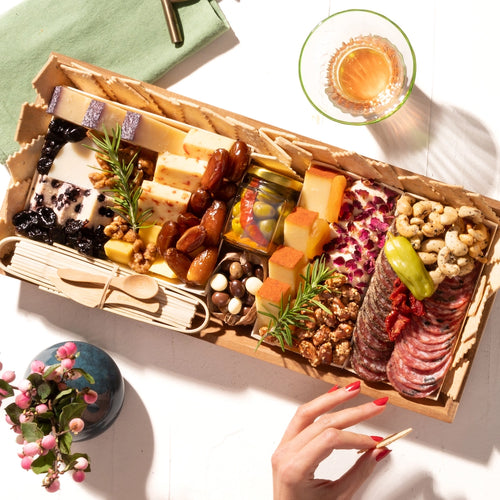
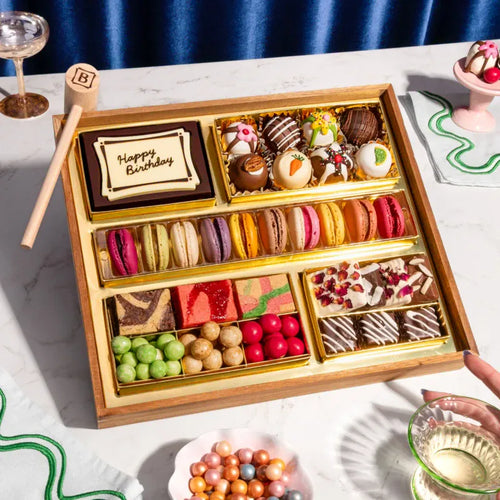
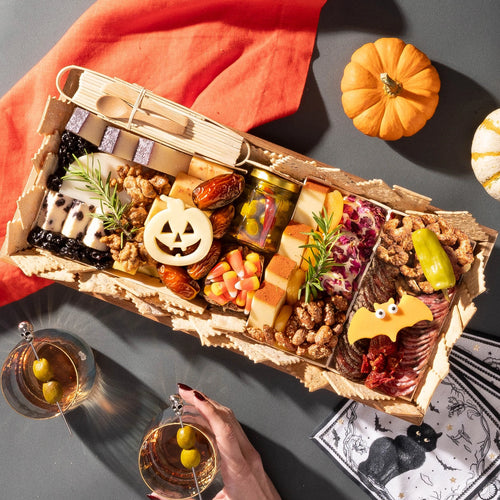
A cheese and meat board refers to a platter artfully arranged with assorted cheeses, cured meats, crackers, breads, fruits, dips, and other accompaniments. The term charcuterie is French in origin, but today it contains any thoughtfully presented selection of bite-sized foods on a board. You don’t strictly need meat to have a “charcuterie” spread. Modern boards might focus on cheeses or even feature themes like desserts or fruits. The key idea is a shared, grazing-style assortment that is both visually enticing and tasty.
Charcuterie boards have become de rigueur at celebrations because they cater to diverse palates and create an interactive dining experience. From rustic farmhouse platters to trendy restaurant presentations, these boards are a staple for hosting with charcuterie in style. And since charcuterie boards are typically served as appetizers or party snacks, a bit of etiquette goes a long way to keep things running smoothly.

Planning the Perfect Board: Portions and Variety
Building a great charcuterie board starts with thoughtful planning. As a host, you’ll want to strike the right balance of quantity and variety so that guests feel indulged without the board becoming chaotic. Hosts can use the “3-3-3-3 rule” to ensure a well-rounded selection. Include 3 types of meats, 3 types of cheeses, 3 types of starchy bases (bread or crackers), and 3 types of sides or accompaniments. This formula provides an easy checklist to hit all the main categories.
By covering these bases, you’ll create an inviting gourmet charcuterie board with something for every taste. Pay attention to portion sizes. Charcuterie is typically meant for casual nibbling, so you don’t need dinner-sized quantities. A general rule of thumb is to provide roughly 2–3 ounces (60–85 g) of cheese and 2–3 ounces of cured meats per person. That amount ensures everyone can sample a bit of everything without overwhelming their palate or leaving too many leftovers.
If you know you have big eaters or the charcuterie board is the star of the show, you can err on the higher side of that range. Conversely, if other substantial dishes will be served, lean toward the lower end to avoid waste. Remember that the accompaniments also contribute to filling people up, so include a moderate handful of each.
Charcuterie Serving Rules for Hosts
When hosting with charcuterie, etiquette is also about presentation, hygiene, and ensuring an enjoyable experience for all. Here are some important serving rules and tips for hosts to keep in mind:
- Arrange with accessibility in mind: Avoid overcrowding the board by cramming every inch with food. While it’s tempting to include all your favorites, an overfilled board can look cluttered and make it difficult for guests to pick up items. Leaving a bit of space between groups of foods creates a visually pleasing layout and gives people room to maneuver utensils or fingers without knocking other items. A well-spaced, organized board appears inviting and elegant rather than messy. You can always replenish items as they run low rather than piling everything on at once.
- Provide dedicated utensils: Equip your board with plenty of serving tools. Small cheese knives for different cheeses, tongs for grabbing sliced meats, cocktail picks or forks for olives and pickles, and spoons for any spreads or dips. This is a crucial aspect of charcuterie board etiquette for hosts, as it helps maintain cleanliness and distinct flavors. If everyone uses the same knife for all cheeses and spreads, flavors will mix. Offering separate utensils for each component avoids unwanted cross-contamination of flavors. It also keeps guests from using their hands for everything, which is more hygienic. Place a small spoon in the jam jar, a fork with the pickles, a cheese knife by the cheddar, and so on. Guests will appreciate the thoughtfulness and ease of serving themselves.
- Label or identify the items (optional): While not mandatory, it’s a nice touch to identify cheeses and condiments, especially if you have some unique or spicy items. You can use tiny flags or cards, or simply let guests know what’s what when the board is unveiled. This helps people navigate the board confidently. It’s a considerate hosting move that can spark conversation as well. People love discovering new cheeses or meats by name.
- Keep it clean and safe: Throughout the event, periodically check on the board’s state. Tidy up any stray grape stems, olive pits, or cracker crumbs to keep the presentation appetizing. If a particular item is nearly finished, you can replace it with a fresh batch from the kitchen or remove the empty dish to keep the board looking abundant. Also, be mindful of food safety. Charcuterie boards often contain perishable items like soft cheeses and sliced meats, which shouldn’t sit out for more than about 2 hours at room temperature. It’s better to refill the board with chilled reserves from time to time than to leave the same slices out indefinitely. By rotating in fresh items, you ensure everything stays delicious and safe to eat.
By following these hosting tips, you set the stage for a lovely charcuterie experience. Your guests will feel taken care of when they see an attractive spread with all the necessary utensils and a considerate layout.

Etiquette for Guests: How to Eat from a Charcuterie Board
If you’re on the other side of the serving board, you might wonder about how to eat charcuterie etiquette. After all, a charcuterie spread is usually a free-for-all grazing situation, which can lead to chaos if everyone digs in without care. To avoid any faux pas and to be a courteous charcuterie guest, keep the following charcuterie board tips in mind when you approach that tempting platter:
- Use a Plate, Not the Board: Don’t hover by the board munching directly from it. Instead, take a small plate and serve yourself a reasonable selection of items. This way, you can move aside to enjoy your food, and you won’t block others from reaching the board. Cutting bite-sized pieces on the shared platter or leaving discarded bits on the board is a no-no. Those should go on your own plate. Using a plate also prevents the inevitable scatter of crumbs all over the board.
- Mind the Cheese Cutting Technique: If there’s a wedge of cheese on the board, don’t just hack off the pointed “nose” or take the gooey center for yourself. It’s polite to slice off a piece so that the next person gets an even portion.
- Don’t Double Dip: It should go without saying, but once you’ve bitten into something, don’t return it to a communal dip or spread. If there are dips, mustards, or jam on the board, use the spreader or spoon to dollop a bit onto your plate rather than dipping a half-eaten cracker back in. This keeps the shared condiments sanitary.
- Be mindful of communal items: When it comes to items like bunches of grapes or a bowl of nuts, be considerate in how you take your share. It’s perfectly fine to pick up a small cluster of grapes and put them on your plate. It’s better etiquette to pluck a few grapes at once, rather than repeatedly reaching over the board every time you want another grape. For nuts or similar snacks, use a spoon or your clean fingers to take a small handful and put them on your plate instead of eating them directly from the board. This minimizes spillage and keeps the board area tidy.
- Watch your sleeves and fingers: When reaching for items on the board, be conscious of any long sleeves, dangling jewelry, or even long hair that could brush over the food. It’s easy to accidentally drag your cuff through the brie or knock a garnish off. If you’re wearing long sleeves, you might lightly hold the edge of your sleeve with your other hand to keep it away from the food as you reach.
- Pace yourself and share nicely: Charcuterie is by nature a shared experience, so be mindful of others. It can be poor form to park yourself in front of the board or to pile your plate with all of the premium items in one go. It’s absolutely fine to take a hearty serving, but avoid taking the last of something without checking if anyone else minds.
By following these charcuterie tips for guests, you’ll come across as gracious and tactful. Good charcuterie etiquette isn’t about being stuffy. It’s about helping everyone feel comfortable and ensuring the food is enjoyed in the best possible way.
Charcuterie Board Techniques: Cutting and Serving Like a Pro
Part of charcuterie etiquette involves a few simple charcuterie board techniques that can elevate the experience and prevent common blunders. If you have a very pungent blue cheese or a garlicky spread on the board, try to position it a little apart from milder items and give it its own serving utensil. This prevents the strong flavor from overwhelming everything else. A common technique is to place robust cheeses like blues or washed-rind cheeses on one side of the board and milder cheeses on the opposite side.
How you fold or slice charcuterie meats can also be both decorative and considerate. Thin, floppy slices of prosciutto or jamón can be arranged in loose folds or rolled into rosettes. Not only does this look beautiful, but it also makes it easier for someone to pick up a slice without tearing the whole pile. Hard salami can be sliced into coins or half-moons that guests can grab one at a time.
Ordering Charcuterie Boards Online and Gifting Etiquette
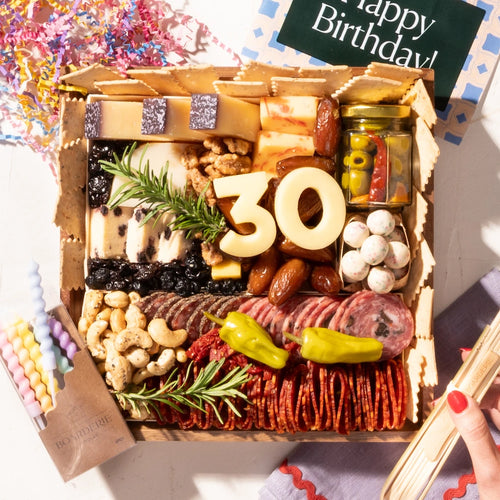
Knowing the etiquette and options when you order charcuterie boards online can help you make the most of this trend. A charcuterie board offers something most traditional gifts don’t: immediate visual appeal, instant enjoyment, and a shareable experience. This makes it a thoughtful choice for occasions like housewarmings, birthdays, or thank-you gifts. If you plan to send a charcuterie board to someone, here are a few pointers to ensure it’s well-received:
- Choose a reputable service: Many companies now specialize in charcuterie delivery, shipping pre-assembled gourmet boards or kits directly to your door. Do a bit of research to find one with good reviews for freshness and presentation. By going through a trusted provider, you ensure that your recipient gets a gourmet charcuterie board experience even if you can’t hand-deliver it yourself.
- Mind the timing and presentation: If you’re sending a charcuterie gift, check that the delivery is scheduled for a day when someone will be available to receive it. It’s wise to inform the recipient that a refrigerated package is on the way. Many charcuterie delivery companies offer next-day shipping or let you choose an exact delivery date. In terms of etiquette, sending food as a gift is generally welcomed as long as you’re confident the recipient doesn’t have dietary restrictions that would make it awkward. Fortunately, there are vegetarian and even vegan charcuterie box options out there, so you can find a custom charcuterie for events or preferences as needed.
- Explore charcuterie board kits: Perhaps you know someone who loves DIY culinary projects. In that case, charcuterie board kits could be a fantastic gift alternative. These kits provide all the components to assemble a beautiful board at home.
- Consider the context and culture: Sending food gifts can sometimes depend on the occasion. For corporate or client gifts, charcuterie boards strike a nice balance between luxury and universal appeal. They’re less personal than, say, homemade cookies, but more heartfelt than a generic gift card. For personal events, showing up with a charcuterie board to contribute is usually a hit. As a host, if someone sends you a charcuterie basket delivery ahead of a party, you can graciously add it to your spread.
In the evolving world of gift-giving, charcuterie boards have definitely earned their spot. They provide a feast for both the eyes and palate, and they turn an ordinary day into a special occasion. Taking advantage of charcuterie basket delivery services can save time while still impressing your guests or delighting your friends afar.

Hosting with charcuterie is about creating a warm atmosphere, and good etiquette is simply good hospitality. Enjoying charcuterie as a guest is about savoring the offerings while keeping things pleasant for everyone around. With these charcuterie tips in mind, you’re ready to create memorable boards and partake in them like a pro, whether at an upscale event or a casual Friday night gathering. Craft that Instagram-worthy spread, pour a lovely drink to pair with it, and relish the conversation and connections that follow. Charcuterie, done right, is an edible art form that delights all the senses and all the guests.
Sources
- Full of Etiquette – Etiquette at the Charcuterie Board (May 29, 2022)
- Boarderie – Charcuterie Etiquette: Serving Sizes, Portions & Presentation (July 20, 2025)
- Delicious Magazine – 10 Geeky Cheese Rules for the Perfect Cheeseboard (Nov 2022)
- The Lemon Bowl – How to Host a Charcuterie Party (Oct 2021)
- North Penn Now – After the Holidays, Charcuterie Boards Are Becoming a Year-Round Gifting Trend (June 23, 2025)
