
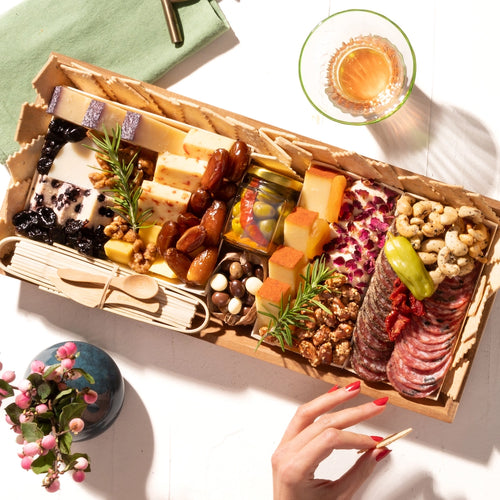
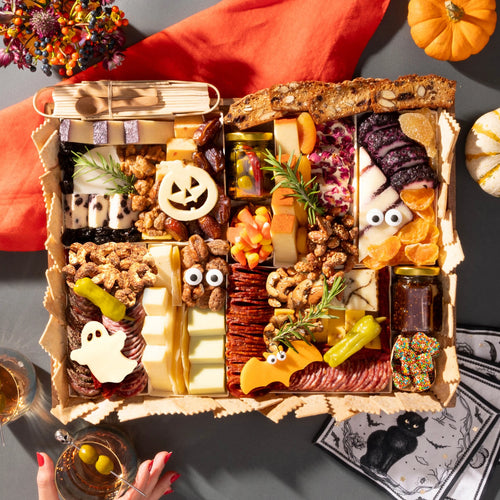
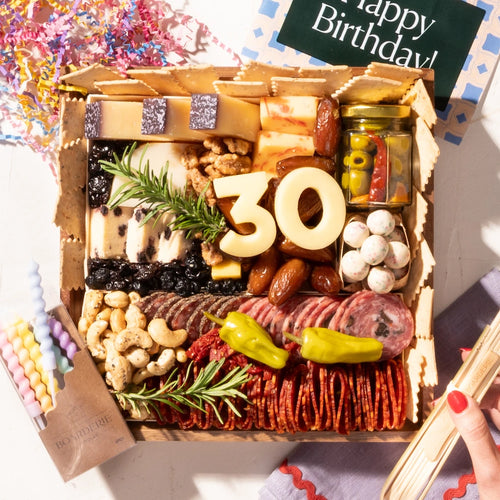
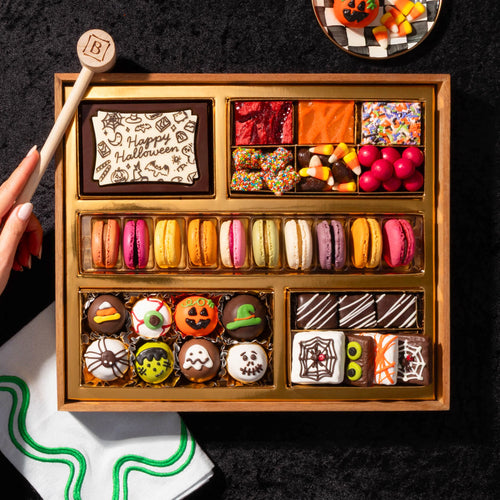


Creating a cheese-only board is an art form that embodies simplicity and sophistication, captivating both the palate and the eye. Such boards are designed to showcase the diversity and richness of cheeses from around the world. Perfect for gatherings, these boards provide an opportunity to explore an array of flavors, textures, and aromas. The allure of a cheese-only board lies in its ability to offer a curated experience that highlights the essence of cheese, devoid of distractions from other charcuterie items. This article delves into the nuances of crafting a memorable cheese-only board, offering insights into its concept, benefits, and ideal occasions for serving.
Understanding the Concept of a Cheese-Only Board
A cheese-only board is a curated selection of cheeses presented as the central focus of a tasting experience. Unlike traditional charcuterie boards that may include an assortment of meats, fruits, and nuts, a cheese-only board emphasizes the distinct characteristics of various cheeses. This concept allows enthusiasts to appreciate the nuances of different cheese types, from the creaminess of a soft Brie to the sharpness of an aged Cheddar. The presentation is paramount; cheeses should be arranged with consideration for color, shape, and size, creating an inviting visual display that encourages exploration.
The appeal of a cheese-only board lies in its versatility and adaptability. Whether celebrating a casual gathering or hosting an elegant soirée, the board can be tailored to match the occasion's tone. According to cheese expert Laura Werlin, the key to a successful cheese board is variety, which can be achieved by including a mix of textures and milk types (https://www.cheeseprofessor.com). This approach ensures that each guest discovers a cheese that aligns with their personal taste preferences.
Benefits of Choosing a Cheese-Only Board
Opting for a cheese-only board provides a unique and focused culinary experience that benefits both the host and the guests. This approach allows for a deeper exploration of the nuanced world of cheese, transforming a simple gathering into an educational and memorable event. By prioritizing quality and engaging with the artisanal aspects of cheesemaking, a cheese-only board elevates the tasting experience and fosters a greater appreciation for this versatile food.
- Emphasis on Quality: A key advantage of a cheese-only board is the emphasis on quality rather than sheer volume. By narrowing the focus to just cheeses, hosts can allocate their budget and attention to acquiring exceptional, artisanal selections that might be overshadowed or financially prohibitive in a broader spread. This deliberate choice not Preformatted text not only enhances the sensory experience for guests, allowing them to savor distinct flavors and textures, but also offers vital support to independent cheesemakers who dedicate themselves to traditional methods and sustainable practices. The result is a more refined and memorable culinary journey, showcasing the true artistry behind each piece of cheese.
- Simplified Preparation Process: Simplification of the preparation process is another significant benefit of choosing a cheese-only board. When the array of offerings is streamlined, hosts can significantly reduce the time spent on shopping for numerous ingredients, arranging diverse platters, and managing complex food safety considerations. This efficiency frees up valuable time and energy, enabling hosts to shift their focus from the kitchen to their guests. The ability to be more present and engaged in conversations, facilitating a relaxed and convivial atmosphere, ultimately enriches the overall social experience for everyone involved, making the gathering more enjoyable.
- Fosters Educational Atmosphere: A cheese-only board inherently fosters an educational atmosphere, transforming casual snacking into an interactive learning experience. Guests are naturally prompted to compare and contrast various cheeses, discussing their individual flavor profiles, unique textures, and potential origins. This encourages lively conversation and the sharing of personal preferences and culinary insights. Such engagement extends beyond mere enjoyment, cultivating a deeper appreciation for the complexities of cheesemaking and the diverse world of cheese. The shared exploration of different varieties transforms the event into a genuinely enlightening and intellectually stimulating occasion.
- Captivating Cultural Exploration: Furthermore, a well-curated cheese-only board can serve as a captivating cultural exploration, highlighting regional specialties and the rich heritage of cheese production from around the globe. Each selection can tell a story, reflecting the terroir, traditional techniques, and historical context of its origin. This allows guests to embark on a gastronomic journey, discovering cheeses with protected designations of origin, unique aging processes, or distinct local characteristics. Such an approach transforms the tasting into an immersive experience, offering insights into diverse culinary traditions and fostering a greater understanding of the global tapestry of cheesemaking.
- Promotes Genuine Connection: Finally, the intimate nature of a cheese-only board promotes genuine connection and conversation among guests. Without the distraction of an overwhelming array of food options, the focus naturally shifts to the shared experience of tasting and discussing the cheeses. This shared exploration acts as a catalyst for deeper interactions, as guests bond over new discoveries, personal favorites, and the stories behind each cheese. This concentrated culinary focus fosters an environment of authentic connection, encouraging guests to engage more meaningfully with each other and the food, creating lasting memories centered around shared appreciation.
Opting for a cheese-only board is a strategic choice that yields multiple advantages, ranging from elevated quality and simplified preparation to enhanced guest engagement and educational opportunities. This focused approach not only showcases the incredible diversity and artistry of cheese but also transforms any gathering into a more meaningful and memorable event, leaving guests with both satisfied palates and broadened horizons.

Popular Occasions for a Cheese-Only Board
Cheese-only boards are suitable for a wide range of occasions, each offering a unique context for their presentation. Intimate gatherings, such as book clubs or wine tastings, benefit from the focused nature of a cheese-only board, providing a centerpiece that encourages dialogue and engagement. For these events, choosing a theme such as regional cheeses or a specific type of milk can add an educational dimension to the experience.
Larger celebrations, like weddings or corporate events, also benefit from the elegance and simplicity of a cheese-only board. It provides a sophisticated option that caters to diverse tastes, accommodating dietary preferences with ease. According to a study by the American Cheese Society, cheese boards are increasingly popular at social events due to their versatility and the communal experience they foster (https://www.cheesesociety.org). The adaptability of a cheese-only board ensures it remains a timeless choice for hosts seeking to impress their guests with minimal effort.
Selecting the Best Cheeses for a Charcuterie Board
Good Cheese for Charcuterie: A Guide
Creating a cheese-only board that rivals any charcuterie spread requires a thoughtful selection of cheeses that offer variety and depth. Experts suggest starting with three to five types of cheese, ensuring a range of flavors and textures. Brie, for example, offers a creamy, mild taste that complements stronger cheeses like aged cheddar or blue cheese. This combination provides an intriguing contrast that delights the palate. According to a case study by The Cheese Society, boards that include a mix of both soft and hard cheeses are generally more appealing to a wider audience. When selecting cheeses, consider using seasonal options to enhance freshness and flavor. Many local dairies offer unique cheeses that can elevate your board. Incorporating regional varieties not only supports local producers but also adds an element of surprise and discovery for your guests. This approach was exemplified in a feature by Food & Wine, which highlighted how local cheeses can transform a simple board into a memorable culinary experience.
Exploring Different Types of Cheese
The world of cheese is incredibly diverse, with each type offering distinct characteristics. Soft cheeses like Camembert and Brie are known for their creamy, luscious textures and can serve as a delightful spread. Semi-hard cheeses such as Gouda or Havarti provide a firmer bite and often have subtle nutty flavors. For a more adventurous option, consider incorporating a bold blue cheese, which adds a sharp, tangy note to your board. It's important to balance familiar cheeses with those that might be new to your guests. Offering a unique cheese like a smoked mozzarella or a truffle-infused option can elevate the board's overall sophistication. According to a survey by the American Cheese Society, consumers are increasingly interested in artisanal cheeses that offer unique flavor profiles, making them a worthy addition to any cheese board.
Balancing Flavors and Textures
An expertly curated cheese board balances both flavors and textures to create a harmonious tasting experience. Start by pairing creamy cheeses with crunchy accompaniments like nuts or crackers. The addition of sweet elements such as dried fruits or honey can counterbalance the saltiness of aged cheeses, creating a dynamic interplay of tastes. This concept was emphasized by cheese expert Janet Fletcher, who noted that contrasting textures and flavors enhance the overall enjoyment of each cheese. When considering flavors, think about the cheese's place in the overall palette. A sharp cheddar can be mellowed by a sweet fig jam, while a spicy pepper jack might pair well with a milder, buttery cheese. This careful consideration of complementary flavors ensures that each cheese holds its own while contributing to a cohesive board. The Cheese Lover’s Handbook recommends always including a mix of flavors to cater to diverse tastes and preferences.
Serving Tips and Guidelines for a Cheese-Only Charcuterie Board
When serving a cheese-only charcuterie board, thoughtful planning ensures every guest enjoys the experience to the fullest. Here are essential guidelines for portioning, adapting to various group sizes, serving at the right temperature, and following best practices for a seamless presentation.
Portion Sizes Per Person
Crafting the perfect cheese board is an art form, and the first step to mastering it lies in understanding portion control. A general guideline to ensure you have enough, but not too much, delicious cheese is to estimate 2 to 3 ounces (55–85 grams) per person if the cheese board is serving as an appetizer. This allows guests to sample a variety of cheeses without feeling overwhelmed before the main course.
However, if your cheese board is destined to be the star of the show – perhaps for a cocktail party or a lighter lunch – you'll want to increase that allocation to 4 to 5 ounces (115–140 grams) per person. This generous portion ensures that guests can fully indulge in the diverse flavors and textures you've curated.
These figures are flexible and can be adjusted based on several key factors. Consider the duration of your event: a longer gathering might necessitate a slightly larger quantity to keep appetites satisfied. Equally important is the presence of other food offerings. If you're providing a full dinner spread alongside your cheese board, you can lean towards the lower end of the spectrum for cheese. Conversely, if the cheese board is one of the few culinary highlights, a more substantial amount is advisable. The goal is to provide a good variety of cheeses, encouraging exploration and enjoyment, without leading to excessive leftovers. Remember, a well-planned cheese board not only satisfies hunger but also enhances the overall culinary experience.
Adapting Serving Style for Group Size or Occasion
Crafting the perfect cheese board is an art, balancing flavor, texture, and visual appeal to create an inviting culinary experience. The first step in this process is to consider the context of your gathering, as this will significantly influence the selection and presentation of your cheeses.
- Solo or Intimate Settings: For one or two people, keep selections simple—two or three cheeses in small portions. Use a dinner or salad plate for a cozy, casual experience.
- Small Gatherings (3–6 people): Offer three to five varieties, allowing everyone to sample a range of flavors and textures. Arrange cheeses with space in between, making it easy for guests to serve themselves.
- Large Parties: For bigger groups, increase the number of cheeses and consider repeating selections at different spots on the board for easy access. Multiple smaller boards or stations can prevent crowding and keep the experience interactive.
- Special Occasions: Theme your cheese selection (e.g., regional or seasonal cheeses) and consider labeling each cheese for an educational and memorable touch.
Adapt your presentation to the mood—casual for relaxed get-togethers, more elaborate for formal events. By thoughtfully considering the size of your gathering and the occasion, you can ensure your cheese board is not only delicious but also perfectly suited to delight your guests. This strategic approach sets the foundation for a memorable and enjoyable cheese-tasting experience.
Tips for Optimal Temperature and Timing
Cheese tastes best at room temperature, which allows its full spectrum of flavors and aromas to shine. Remove cheeses from the refrigerator about 30 to 60 minutes before serving. Softer cheeses, like those requiring 30–45 minutes, need less time, while harder cheeses, benefiting from 45–60 minutes, benefit from a longer rest. Avoid leaving cheese out for more than two hours, especially in warm environments, to maintain food safety and quality. Arrange cheeses on the board just before guests arrive to keep them fresh and appealing.
General Best Practices for Serving a Cheese-Only Board
Beyond the selection of cheeses, the way you present and serve your cheese-only board significantly enhances the guest experience. A well-arranged board with clear guidance can elevate a simple gathering into a sophisticated tasting event. Consider these tips to ensure your cheese board is both inviting and easy to navigate:
- Dedicated Utensils: Provide a separate knife or spreader for each cheese to prevent mixing flavors.
- Label Each Cheese: Use small cards or labels to identify each variety, helping guests make informed choices and sparking conversation.
- Accessibility: Space cheeses so guests can easily cut or serve themselves without crowding.
- Refill as Needed: For larger events, keep backup wedges in the fridge and replenish the board as needed to maintain freshness.
- Encourage Exploration: Arrange cheeses from mild to strong to guide tasting, and invite guests to try new varieties and share their impressions.
By following these serving tips and guidelines, you’ll create a cheese-only board that’s not just delicious but also thoughtfully tailored to your guests and occasion, ensuring a memorable and enjoyable experience for all.
Cheese Serving Tips for Optimal Flavor
To truly appreciate the nuances of each cheese, serving it at the right temperature is crucial. Most cheeses should be served at room temperature to allow their full flavors to develop. Remove them from the refrigerator about an hour before serving. Hard cheeses like Parmesan may need a bit longer, while softer cheeses can be left out for a shorter duration. This tip is echoed in the guidelines from the International Dairy Foods Association, which emphasize the importance of temperature in flavor enhancement.
Presentation is another key element in maximizing the appeal of your cheese board. Arrange your selection with an eye for color and texture, placing softer cheeses next to firmer varieties. This not only makes for an attractive display but also aids in guiding your guests through a tasting journey from mild to strong flavors. Including small cheese knives or spreaders for each type allows for easy serving while maintaining the integrity of each cheese.
Essential Cheese Board Ingredients and Supplies
Must-Have Cheese Board Supplies
Creating an exquisite cheese board is an art form that transforms simple ingredients into a sophisticated culinary experience. The foundation of a successful cheese board lies in carefully chosen supplies that not only elevate the presentation but also enhance the enjoyment of each bite. From the board itself to the specialized tools, every element plays a crucial role in curating a memorable spread that delights both the eyes and the palate.
- Choosing Your Board: The cheese board itself is the canvas for your edible masterpiece, setting the tone for the entire presentation. High-quality materials like wood or marble are excellent choices, each offering distinct aesthetic and practical advantages. Wood boards evoke a warm, rustic charm, ideal for a more casual or farmhouse-inspired setting, while marble provides a sleek, elegant, and sophisticated backdrop, perfect for formal gatherings. Beyond aesthetics, both materials are gentle on your cheese knives, preventing them from dulling prematurely. When selecting your board, prioritize size and functionality; ensure it’s spacious enough to comfortably accommodate a diverse array of cheeses, leaving ample room for graceful slicing and serving, without feeling cramped.
- The Right Cheese Knives: A curated set of cheese knives is indispensable for any well-equipped cheese board, as different cheese textures necessitate specific tools for optimal cutting and presentation. A soft cheese knife, often perforated or with a thin blade, is expertly designed to glide through creamy, delicate cheeses like Brie or Camembert without sticking, preserving their integrity. Conversely, a hard cheese knife, characterized by its robust and sturdy blade, is built to effortlessly cut through firm, aged varieties such as Parmesan or aged cheddar. For crumbly or semi-soft cheeses, a cheese wire proves invaluable, allowing for clean, precise slices without crumbling, ensuring each piece is perfectly portioned.
- Serving Utensils: Beyond the core cheese knives, a thoughtful selection of serving utensils significantly elevates the functionality and guest experience of your cheese board. Small forks or picks are ideal for serving individual portions of cheese or accompanying charcuterie, promoting hygiene and ease of handling. Spreading knives, often with a rounded tip, are perfect for soft cheeses, pâtés, or spreads, allowing guests to effortlessly serve themselves. Consider miniature tongs for olives, nuts, or dried fruits, adding a refined touch to the presentation. The goal is to provide tools that empower guests to easily and elegantly enjoy each component of the board, minimizing mess and maximizing enjoyment.
- Arranging Your Board: The art of arranging your cheese board is paramount to its overall appeal, transforming a simple collection of ingredients into a visually stunning centerpiece. Begin by placing your cheeses, creating visual anchors on the board and distributing them evenly to encourage exploration. Next, strategically arrange your crackers and bread around the cheeses, ensuring easy access. Then, artfully scatter your fruits and nuts, filling in gaps and adding pops of color and texture, making the board look abundant and inviting. Finally, place your serving utensils alongside their corresponding cheeses or accompaniments. Consider adding small labels for each cheese to guide guests and spark conversation. The goal is to create a harmonious and inviting display that is both beautiful and functional.
By meticulously selecting your board, equipping yourself with the right tools, and thoughtfully curating your accompaniments, you can transform a simple gathering into a sophisticated culinary journey. The true magic of a cheese board lies not just in the quality of its components, but in the harmonious interplay of flavors, textures, and visual artistry, ensuring a delightful and memorable experience for all who partake.
Complementary Ingredients to Consider
While the focus is on cheese, complementary ingredients can elevate the tasting experience by offering contrast and balance. Fresh fruits like grapes, figs, and apples add sweetness and moisture, pairing beautifully with a range of cheeses. Nuts such as almonds and walnuts provide a crunchy texture and can be lightly toasted for added flavor. Including a variety of breads and crackers offers a neutral base that highlights the flavors of the cheese without overpowering them.

Condiments such as honey, chutney, or a fig spread can introduce an element of sweetness and complexity. They work particularly well with strong-flavored cheeses, creating a harmonious balance. Incorporating these elements encourages tasting exploration and enhances the sensory experience. As noted by "Cheese Connoisseur Magazine," adding these complementary ingredients encourages guests to experiment with flavor combinations that might surprise and delight.
Recommended Cheese Board Tools and Accessories
To ensure a seamless presentation and serving experience, investing in the right tools and accessories is crucial. A cheese board with built-in compartments or a removable slate can help organize different cheese types while allowing for easy labeling. This is particularly useful for guests who may not be familiar with all the varieties on display. Labels not only educate but also enhance the aesthetic appeal of the board.
Serving utensils such as small forks and tongs are necessary for hygienic handling and serving of the cheese. They allow guests to easily transfer cheese to their plates without using their hands. Additionally, ramekins or small bowls are perfect for holding condiments or smaller complementary ingredients. As recommended by "Gourmet Insider," incorporating these tools ensures that your cheese board is not only visually appealing but also functional and guest-friendly.
Designing Your Cheese-Only Board
Cheese-Only Board Designs: Creative Ideas
Creating a cheese-only board is an art form that invites creativity and personalization. While the traditional cheese board focuses on a mix of cheeses, crackers, and fruits, a cheese-only board emphasizes the cheese itself as the main attraction. To start, consider the diversity of textures and flavors. A well-balanced board should feature a variety of cheese types such as soft, semi-soft, hard, and blue cheeses. For example, combining a creamy Brie, a crumbly aged cheddar, a hard Parmigiano-Reggiano, and a tangy Roquefort can offer a dynamic tasting experience. Such diversity ensures that the board caters to various palates, making it both intriguing and satisfying. Innovative designs can incorporate geographical themes or seasonal influences. A French-themed board might highlight cheeses like Camembert, Comté, and Roquefort. On the other hand, a seasonal board might focus on cheeses that pair well with autumn flavors, such as smoked Gouda and nutty Gruyère. The key is to let the cheese be the centerpiece while arranging it in a way that is both visually appealing and thematically cohesive. According to the Cheese Society, allowing room for exploration and surprise on your board can enhance the overall experience for your guests.
Arranging Cheese for Visual Appeal
The visual arrangement of cheese can elevate your cheese-only board from a simple platter to a culinary masterpiece. Start by considering the shape and size of each cheese. Cutting cheese into varying shapes—wedges, cubes, and slices—can add visual interest and make it easier for guests to sample different kinds. For larger boards, arrange your cheeses in a circular pattern or in clusters that encourage movement and exploration. This approach not only looks appealing but also invites interaction, which is a crucial element of a successful cheese board. Color plays a pivotal role in creating an inviting cheese board. The natural hues of cheese—from the pale white of goat cheese to the deep orange of aged Gouda—can be used strategically to create contrast and harmony. Arrange cheeses in a way that allows colors to complement or contrast with each other, drawing the eye across the board. Expert cheesemonger Janet Fletcher suggests that balancing these visual elements can enhance guests' perception of taste, making the experience more memorable.
Incorporating Themes and Color Schemes
Integrating a theme or color scheme into your cheese-only board can elevate it from a simple platter to a curated experience. A monochromatic theme utilizing different shades of a single color can produce a sophisticated and unified look. For instance, a board featuring white and light yellow cheeses such as Brie, goat cheese, and Gruyère can create a minimalist yet elegant presentation. This approach not only simplifies the selection process but also creates a visually cohesive display that is pleasing to the eye. Alternatively, a rainbow theme can make the board visually striking and festive. By carefully selecting cheeses that naturally exhibit a variety of colors, such as orange Mimolette, blue-veined Stilton, and pinkish-red Port Salut, you can create a vibrant presentation that captures attention. This thematic choice can be particularly effective for celebratory occasions or events where you want to make a bold statement. The Food Network recommends using this approach to engage guests and stimulate conversations around the diverse selection of cheeses.
Simple Cheese Platter Ideas for Beginners
Creating a cheese-only board can be an artful yet approachable endeavor. For beginners, the key is to focus on simplicity and balance. A well-curated selection of cheeses can offer a delightful culinary experience without overwhelming the senses.
Easy Cheese Tray Arrangements
When arranging a cheese tray, consider the flow of flavors and textures. Start by selecting a variety of cheeses that represent different milk sources such as cow, goat, and sheep. This diversity in origins can introduce a range of flavors and aromas, enhancing the overall tasting experience. For beginners, a good rule of thumb is to choose three to five cheeses to avoid complexity. Arrange them from mild to strong on the board, guiding the palate through a gradual build-up of flavor.
To enhance the visual appeal, consider the geometric presentation of each cheese type. Triangular wedges or rectangular blocks can create an interesting visual flow. Fill gaps with nuts, dried fruits, or crackers to add texture and color. This method not only enhances the aesthetic but also encourages guests to explore different pairings effortlessly. According to a study published in the Journal of Sensory Studies, varied texture and color can significantly improve the tasting experience.
Quick and Simple Cheese Platter Ideas
For a swift assembly of a cheese platter, focus on accessibility and ease of preparation. Selecting pre-sliced or soft cheeses that require minimal cutting can save time and effort. Cheeses like brie or camembert can be served whole, allowing guests to slice off portions as they prefer. Incorporating a spreadable cheese like a soft goat cheese or a flavored cream cheese can add a creamy contrast to firmer varieties.
Incorporate a selection of accompaniments that complement the cheese flavors. Fresh fruits like grapes or apple slices offer a refreshing contrast to the richness of the cheese. Likewise, consider adding a small bowl of honey or a tangy chutney to introduce a sweet element that pairs well with salty or pungent cheeses. This approach not only simplifies preparation but also creates a balanced and harmonious platter.
Tips for Creating an Effortless Cheese Presentation
The secret to an effortless cheese presentation lies in thoughtful preparation and a keen eye for detail. Start by choosing a board that complements the aesthetic of your gathering. Wooden boards provide a rustic feel, while slate or marble offers a modern touch. Ensure each cheese has its own knife to prevent flavor mixing, a tip often recommended by cheese experts in culinary circles. Temperature plays a crucial role in maximizing flavor. Allow cheeses to sit at room temperature for at least 30 minutes before serving. This step ensures that the cheese's flavors and textures are at their peak. Additionally, label each cheese with a small card indicating its name and origin. This not only educates guests but also encourages conversation and exploration of new varieties. According to Cheese Lover's Digest, providing context about the cheese can enhance appreciation and enjoyment.
With these guidelines, even novice hosts can craft a cheese board that is both inviting and satisfying, leaving guests impressed and inspired to explore the world of cheese further.
How to Build a Charcuterie Board from Scratch
Step-by-Step Guide to Building a Cheese Board
Crafting an exquisite cheese board requires a blend of careful selection and artistic arrangement, transforming simple ingredients into a delightful culinary experience. This guide will walk you through the essential steps to create a visually appealing and palate-pleasing cheese-only spread, ensuring a memorable experience for your guests.
- Curate a Diverse Cheese Selection: Begin by choosing a range of cheeses that offer varied textures and flavor profiles. Aim for a mix that includes soft, creamy cheeses such as Brie or fresh goat cheese, semi-soft options like Fontina or Havarti, and firm, aged varieties such as Parmesan or aged Gouda. To add a bold note, incorporate a blue cheese like Gorgonzola or Roquefort. This diversity ensures that there’s a cheese to appeal to every guest's preference, providing a comprehensive tasting journey across the board.
- Select the Ideal Serving Board: The foundation of your cheese display is just as important as the cheeses themselves. Opt for a visually appealing and practical serving surface, such as a large wooden cutting board, a elegant slate slab, or even a ceramic platter. Ensure the board is spacious enough to comfortably arrange all your chosen cheeses without overcrowding, allowing for proper air circulation and easy access. The board's material and aesthetic should complement the natural beauty of the cheeses.
- Thoughtfully Arrange Cheeses by Intensity: Once you have your cheeses and board ready, arrange them in a logical progression to guide your guests through a curated tasting experience. Position the mildest cheeses at one end of the board and gradually move towards the strongest, perhaps in a clockwise or linear fashion. This arrangement prevents the stronger flavors from overwhelming the more delicate ones, allowing each cheese to be appreciated individually and enhancing the overall enjoyment of the board.
- Enhance with Strategic Garnishes: Elevate the visual appeal and flavor profiles of your cheese board by incorporating a thoughtful selection of garnishes. Fresh herbs like rosemary or thyme, small bunches of grapes, figs, or even a few edible flowers can add vibrant color and a touch of elegance. These elements not only make the board more attractive but also offer complementary flavors and textures that can cleanse the palate or enhance the cheese's unique characteristics.
- Provide Appropriate Serving Utensils: To ensure a seamless and hygienic tasting experience, equip your board with a variety of dedicated cheese knives or spreaders. Different cheeses often require different tools for optimal serving—a soft cheese knife for creamy varieties, a sturdy one for hard cheeses, and a pointed knife for crumbling blues. Placing a unique utensil with each cheese prevents flavor transfer and allows guests to easily serve themselves, contributing to a refined presentation.
By meticulously following these steps, you will construct a cheese board that not only pleases the eye but also offers an unforgettable culinary adventure, showcasing the exquisite diversity of cheeses in a refined and approachable manner.
Mistakes to Avoid When Building Your Board
Crafting an exquisite cheese board is an art that requires attention to detail, from selecting the right cheeses to perfecting their presentation. While it might seem straightforward, several common mistakes can detract from the overall experience. By avoiding these pitfalls and focusing on balance and thoughtful pairings, you can elevate your cheese board from simple snack to gourmet delight, ensuring every bite is a memorable one.
- Avoid Overcrowding the Board: A common misconception is that more cheese equals a better board. However, presenting too many varieties can overwhelm the palate and diminish the unique characteristics of each cheese. Instead, focus on a curated selection of three to five distinct types. This allows guests to truly appreciate the individual nuances of flavor, texture, and aroma, preventing a chaotic and less enjoyable tasting experience. Quality over quantity is paramount when aiming for a sophisticated and memorable cheese presentation that highlights each cheese's individual brilliance.
- Serve Cheeses at Room Temperature: Serving cheese straight from the refrigerator is a frequent oversight that can significantly impact its flavor and texture. Cold temperatures mute the complex notes and can make the cheese taste dull or rubbery. To unlock the full spectrum of flavors and achieve the ideal creamy or crumbly consistency, allow cheeses to sit at room temperature for 30 to 60 minutes before serving. This simple step transforms the tasting experience, making each cheese more aromatic, flavorful, and enjoyable for your guests.
- Provide Dedicated Utensils: Neglecting to provide individual knives for each cheese is a common faux pas that can lead to a muddled flavor profile on the board. Cross-contamination of flavors between different cheeses can detract from their distinct characteristics, making it difficult to appreciate each one independently. Offering a dedicated knife for every cheese ensures that the unique taste of each variety remains untainted, providing a cleaner and more refined tasting experience for everyone enjoying the selection.
- Offer Thoughtful Accompaniments: The right accompaniments are crucial for enhancing the cheese tasting experience, yet failing to provide them or choosing overwhelming options is a common mistake. A well-rounded board should include a variety of complementary textures and flavors, such as artisanal crackers, crusty bread, and fruit preserves. These additions should harmonize with the cheeses, never overpowering them. Thoughtful selection ensures that each pairing elevates the cheese, creating a balanced and delightful sensory journey for your guests.
- Prioritize Flavor and Texture Balance: As gourmet chefs emphasize, the ultimate success of a cheese board lies in the balance of flavors and textures. A common pitfall is to select cheeses and accompaniments without considering how they will interact. Avoid items with strong, competing flavors that could overshadow the delicate notes of the cheese. Instead, aim for a harmonious blend of creamy, firm, pungent, and mild cheeses, paired with elements that cleanse the palate or add a complementary crunch, creating a cohesive and satisfying experience.
By carefully considering these aspects—from the selection and temperature of your cheeses to the presentation and accompanying elements—you can transform a simple arrangement into a truly exceptional culinary experience. A well-crafted cheese board is a testament to thoughtful preparation and a keen understanding of flavors, ensuring every guest leaves with a lasting impression of sophisticated taste and enjoyable moments.
Customizing Your Board for Different Tastes
Customizing your cheese board allows you to cater to different taste preferences and dietary restrictions. For a more adventurous selection, include cheeses infused with herbs or spices, or consider regional specialties like a Spanish Manchego or French Roquefort. For those with dietary restrictions, offer lactose-free options or goat and sheep milk cheeses, which are typically easier to digest. Understanding your audience's preferences is crucial to creating a board that everyone will enjoy. Adding elements that cater to specific tastes can also enhance the board's appeal. For example, pair a spicy cheese with a sweet chutney to balance the heat, or serve a tangy cheese with honeycomb for a delightful contrast. Personal touches such as labeling the cheeses with handwritten cards or including a personal favorite can make the board feel curated and thoughtful. This level of customization elevates the cheese board from a simple appetizer to a memorable experience.
Party Cheese Board Inspiration
Cheese Board Ideas for Various Party Themes
Creating a cheese board that aligns with your party theme can elevate the experience for your guests. For a Mediterranean-themed gathering, consider featuring cheeses like feta, halloumi, and manchego, complemented by marinated olives, roasted red peppers, and pita triangles. This not only ties in regional flavors but also offers a diverse range of textures and tastes. Alternatively, a rustic countryside theme might spotlight aged cheddars and blue cheeses paired with artisanal breads, fresh apples, and chutneys. Incorporating local and seasonal produce can enhance the theme authenticity while supporting local producers. For a more whimsical affair, such as a garden party, opt for a selection of floral cheeses like lavender-infused varieties or herb-coated goat cheese. Pair these with edible flowers, honeycomb, and a selection of light crackers. The visual appeal of this setup adds a touch of elegance and can spark conversation among guests. Incorporating thematic elements through color and presentation, such as using wooden boards for rustic themes or slate for modern aesthetics, can also contribute significantly to the ambiance and overall experience.
Seasonal and Holiday Charcuterie Board Inspiration
Seasonal cheese boards provide an opportunity to showcase the best of what each season has to offer. In the fall, rich and robust cheeses like aged gouda or Gruyère pair beautifully with roasted nuts, dried fruits, and spiced chutneys. The warm, earthy flavors highlight the season's bounty and create a comforting atmosphere. During winter festivities, consider featuring indulgent cheeses such as brie or camembert, which can be baked and served with cranberry compote and toasted baguette slices. This approach brings warmth and festivity to the table, inviting guests to indulge in the holiday spirit. Spring and summer boards can celebrate the freshness of the seasons with lighter cheeses like burrata or mozzarella, accompanied by vibrant produce such as cherry tomatoes, basil, and strawberries. These fresh elements not only add color but also enhance the bright and refreshing taste profile ideal for warmer weather. Utilizing seasonal blooms or herbs as garnishes can further elevate the presentation and tie in the natural beauty of the season. By embracing seasonal ingredients, you ensure your cheese board is both timely and tantalizing.
Interactive Cheese Board Activities for Guests
Interactive cheese boards can transform your gathering into a dynamic experience, encouraging guests to engage with the culinary offerings creatively. One approach is to set up a DIY cheese tasting station, where guests can sample different cheeses and pair them with a variety of accompaniments such as jams, honey, and charcuterie. Providing tasting notes or flavor profiles for each cheese can enhance the educational aspect, allowing guests to discover new favorites and learn about the nuances of cheese pairing. Another engaging option is to incorporate a build-your-own cheese board activity. Provide guests with a selection of cheeses and a range of garnishes like nuts, fruits, and crackers, and let them craft their personalized plates. This not only fosters interaction among guests but also allows for personal expression and exploration of flavor combinations. Encouraging guests to discuss their creations can lead to lively conversations and a deeper appreciation for the art of cheese pairing. Incorporating these interactive elements can make your event memorable and enjoyable for all attendees.
Cheese Platter Delivery Options
Creating a memorable cheese-only board requires more than just selecting the perfect cheese varieties; it also involves choosing the right delivery service that can bring these gourmet delights to your doorstep. With the growing popularity of artisanal cheeses and the convenience of online shopping, cheese platter delivery services have become a sought-after option for many cheese enthusiasts.
Choosing a Cheese Platter Delivery Service
When selecting a cheese platter delivery service, it's essential to consider a few critical factors to ensure a satisfactory experience. First, examine the variety and quality of cheeses offered by the service. Look for services that source their cheeses from reputable dairies, guaranteeing freshness and authenticity. Some services even offer unique and hard-to-find cheeses, which can elevate your cheese board to a gourmet experience. Additionally, explore if the service provides customization options, allowing you to curate a board that aligns with your taste preferences and dietary restrictions. Customer reviews are another vital aspect to consider. They offer real-world insights into the reliability and quality of the delivery service. A company with consistently positive reviews regarding timely delivery and product quality is likely a safe bet. It's also advisable to check if the service offers a satisfaction guarantee or a return policy in case the products do not meet expectations. According to a study by Statista, the online food delivery market, including niche products like cheese platters, is expected to continue growing, making it a convenient option for cheese lovers.
Benefits of Same-Day Charcuterie Board Delivery
Opting for same-day cheese charcuterie board delivery offers several advantages, particularly for last-minute events or impromptu gatherings. The primary benefit is the convenience of receiving fresh, high-quality cheeses within hours of placing your order. This rapid delivery ensures that the cheeses maintain their optimal flavor and texture, enhancing your overall tasting experience. Moreover, same-day delivery can be a lifesaver for hosts who might have forgotten to prepare or simply ran out of time.
Another advantage is the potential for reduced waste. By ordering only what you need, you minimize the risk of over-purchasing and having leftover cheese that might go unused. Same-day delivery services are often equipped to handle special requests or dietary needs, allowing you to add a personalized touch to your board. A report by Food Navigator highlights that consumers are increasingly valuing convenience and customization in food delivery services, making same-day delivery a popular choice.
Tips for Ordering the Perfect Cheese Board Online
Ordering the perfect cheese board online requires strategic planning and attention to detail. Start by determining the occasion and the number of guests, which will help in selecting the appropriate amount of cheese. It's recommended to include a mix of textures and flavors, such as soft, semi-soft, and hard cheeses, to provide a well-rounded tasting experience. Don't forget to consider accompaniments like crackers, nuts, or dried fruits, which can complement the cheese selection. When placing your order, pay attention to the packaging and delivery details. Ensure the service uses insulated packaging to maintain the cheese's quality during transit. Additionally, verify the delivery timeline to avoid unexpected delays. It's also wise to order from services that provide detailed product descriptions and pairing suggestions, which can guide you in creating an impressive cheese platter. As highlighted in a Forbes article, the online gourmet food market is evolving, with services increasingly offering user-friendly platforms and diverse product ranges to cater to discerning customers.
Incorporating Global Cheeses into Your Board
Exploring International Cheese Varieties
Creating a cheese-only board enriched with global varieties offers a culinary journey that transcends geographical boundaries. The world of cheese is vast, with each region offering unique flavors, textures, and stories. French cheeses like Brie and Roquefort are renowned for their creamy textures and pungent aromas, while Italy brings forth the hard and nutty Parmigiano-Reggiano. Spain offers the semi-hard Manchego, made from sheep's milk and aged to perfection. Each of these cheeses not only provides a distinct taste but also reflects the culinary heritage of its country of origin.
Selecting cheeses from diverse regions can enhance the taste profile of your board. Consider including a mix of soft, semi-soft, hard, and blue cheeses to provide a comprehensive tasting experience. For instance, you might pair a soft Camembert from Normandy with a robust aged Gouda from the Netherlands. By showcasing a variety of textures and intensities, you invite your guests to explore and appreciate the diverse world of cheese. According to a report by the Cheese Board Collective, exploring different cheese types can also educate and excite the palate, making for a memorable dining experience.

Pairing global cheeses with local ingredients creates a harmonious balance that celebrates both international and regional flavors. Local produce such as honey, nuts, or seasonal fruits can enhance the flavor profile of the cheeses and offer a fresh, contrasting taste. For example, pairing a French Brie with locally sourced honey can accentuate the cheese's creamy texture and subtle earthy notes. Similarly, a sharp English Cheddar can be beautifully complemented by crisp local apples, providing a sweet and tart contrast.
To craft a well-balanced cheese board, consider the flavor intensity of both the cheese and the accompanying ingredients. A mild cheese might be overshadowed by a robust local condiment, while a strong cheese could overpower a delicate pairing. Striking the right balance is key to ensuring that each element enhances the other, creating a cohesive and delightful tasting experience. The Cheese Lover's Guide suggests experimenting with seasonal local produce to find the best pairings for your chosen cheeses.
Creating a Worldly Cheese Tasting Experience
Designing a worldly cheese tasting experience involves more than just assembling a selection of international cheeses. It requires thoughtful presentation and storytelling to engage your guests. Begin by arranging the cheeses from mild to strong, allowing tasters to progress through the board without overwhelming their palates. Consider providing tasting notes or a brief history of each cheese to enrich the experience and provide context. This educational element can transform a simple cheese board into an interactive and engaging journey.
Additionally, presentation plays a crucial role in enhancing the overall experience. Arrange the cheeses with an eye for aesthetics, incorporating visual elements such as colorful fruits, fresh herbs, or edible flowers. A well-curated cheese board not only delights the taste buds but also captures the eye, inviting guests to indulge in a feast for the senses. According to the Culinary Institute of America, thoughtful presentation can elevate the dining experience and leave a lasting impression on your guests.
Hosting with a cheese-only board can be a sophisticated yet approachable way to entertain guests. It encourages an interactive dining experience where guests can explore and discover new cheese varieties. Offering tasting notes or a brief story behind each cheese can add an educational element, enriching the overall experience. This approach not only showcases your expertise but also fosters a deeper appreciation for the art of cheese-making.
