
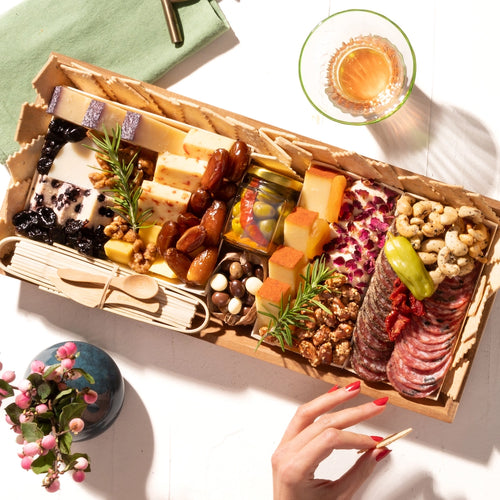
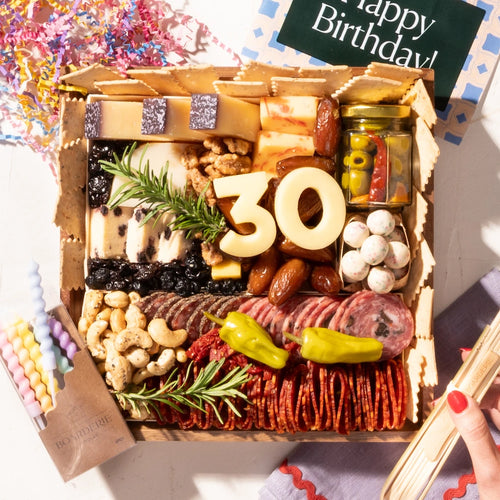
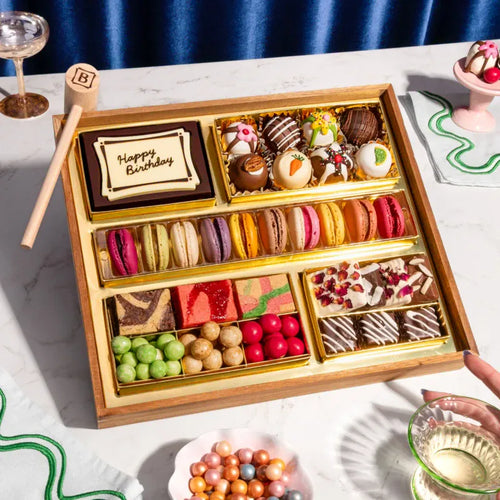
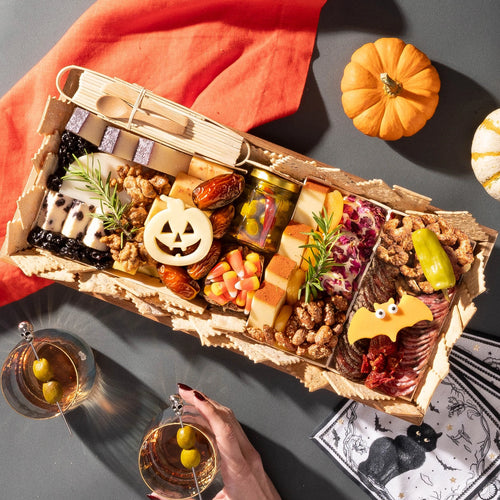


Charcuterie boards have transformed from simple party platters into a culinary art form. In recent years, they’ve surged in popularity across the United States – the number of restaurants featuring charcuterie boards on menus has risen by over 80% in the last decade. Yet a great charcuterie spread is much more than a random assortment of cold cuts. The difference between an average meat and cheese tray and an exceptional board comes down to thoughtful curation of quality artisan ingredients. A carefully selected lineup of meats can elevate your board from ordinary to extraordinary. There’s a world of difference between a basic meat cheese board tossed together at the last minute and a well-planned charcuterie presentation that wows guests with its flavors and visual appeal. In this post, we’ll explore how to choose the best meats for charcuterie, including premium and creative options, and how to assemble a next-level board that showcases artisanal quality.
What Is Charcuterie?
The word comes from the French term chair cuit, meaning “cooked meat,” and traditionally refers to preserved meat products like sausages, hams, pâtés, and confits. In France, a charcutier was a specialist in cured pork preparations, often referred to as a pork butcher. Technically, charcuterie board meats should be those classic French-style cured meats. However, modern American usage of "charcuterie board" is broader. What used to be essentially a meat and cheese platter has evolved into a versatile grazing board featuring a variety of ingredients.

Originally, charcuterie was largely confined to pork. Medieval French guild laws even required charcutiers to work exclusively with pork, which led to a rich tradition of cured meats, including ham, bacon, salami, and blood sausages. Even now, many of the “star” meats on a classic board are pork-based. However, charcuterie can also include other meats, such as smoked poultry, game meat sausages, or even fish preparations, which can find a place on a contemporary board. Essentially, if it’s a well-prepared, preserved protein, it could qualify. The key unifying theme is that high-end charcuterie products are prepared using artisanal techniques, including curing, smoking, air-drying, and brining.
Selecting the Best Meats for a Charcuterie Board
The art lies in selecting an assortment that offers a range of flavors, textures, and visual appeal. Start by thinking about variety. A great board typically includes a mix of cured whole-muscle meats, encased sausages, and perhaps a spreadable option. This ensures a contrast between delicate paper-thin slices, firmer chewy bites, and creamy spreads. Aim for different premium meat cuts for charcuterie that complement each other rather than tasting too similar.
Quality should be your guiding principle. Craftsmanship and sourcing make a huge difference. Because of the time and care spent aging these meats, it’s worth prioritizing quality over quantity. Price doesn’t guarantee perfection, but artisanal charcuterie is often worth the splurge. It’s better to serve a board with a few good meats for charcuterie in smaller portions than to overload the board with cheaper, lower-quality cold cuts. Let’s look at a few popular charcuterie meat options:
-
Prosciutto: This Italian dry-cured ham is a cornerstone of many boards. Prosciutto is made from the hind leg of the pig, cured with salt and aged for many months until it loses moisture and concentrates in flavor. Sliced paper-thin, good prosciutto is silky, delicately salty and porky, with a sweet richness. Prosciutto di Parma (from the Parma region of Italy) and Prosciutto di San Daniele are prized for their quality. They pair beautifully with mild cheeses like fresh mozzarella or burrata, and with sweet elements like melon or figs. Draping ribbons of prosciutto on your board instantly adds an elegant, luxurious touch.
-
Salami (Salumi): Salami refers to any encased ground meat sausage that’s been cured and air-dried. There are countless varieties across Europe. Two common types are Italian soppressata and Genoa salami. Soppressata from Italy (Calabria or Tuscany regions) is usually coarse-ground, rich with pork fat, and often spiced. Genoa salami is usually softer, made with garlic and wine, yielding a tangy, fermented flavor. French saucisson sec is another example – a thick, dry-cured sausage with simple seasonings of garlic and pepper, known for its white mold rind. Salamis bring a firmer, chewy texture and robust seasoning to your board. They go well with medium-strength cheeses (a semi-hard cheese like Gouda or a nutty Alpine cheese) and tangy accompaniments (mustard, cornichons). Including one familiar salami and perhaps one more adventurous type can cater to different palates.
-
Whole-Muscle Cured Meats: Apart from prosciutto, other whole cuts are cured into charcuterie delicacies. For example, bresaola is air-cured beef tenderloin from Italy – lean, red, and with a more delicate, aromatic flavor. Capicola (coppa) is a pork shoulder/neck cut dry-cured with spices, known for a nice balance of lean and fat – offering a tender bite and spiced aroma. These add diversity beyond pork leg ham.
-
Pâtés and Rillettes: To introduce a spreadable meat element, consider a pâté or rillette. Pâté is a finely ground meat paste that is seasoned and often enriched with wine or cognac, then cooked in a terrine. It has a rich, smooth, and savory profile – perfect for spreading on bread or crackers. Rillettes are a rustic French preparation where meat (commonly pork, duck, or rabbit) is slow-cooked confit-style in its own fat, then shredded and mixed with some of that fat into a coarse spread. For instance, pork rillettes have a mild, savory pork flavor and a texture similar to pulled pork, presented in a soft pâté form. Including a little jar or crock of pâtés/rillettes on your board provides a unique textural contrast and old-world charcuterie charm. They go especially well with crunchy baguette slices and sharp pickles on the side.
-
Smoked and Cooked Meats: Not everything on the board needs to be dry-cured. You can include some smoked items like smoked turkey breast or smoked sausage, which bring a distinct flavor. A few slices of good-quality smoked turkey or pastrami can cater to guests who prefer leaner or milder meats. Even something like beef bresaola (though not smoked, it’s air-dried) can be considered here as it’s lean and different from the fatty pork profiles. Some charcuterie boards also feature ham off the bone or roast beef slices for a softer, moist option. Keep in mind, though, if you introduce cooked, unsalted meats, be sure to have the right condiments to accompany them since they might be less seasoned than cured meats.
In making your selections, balance approachable meats with one or two that spark curiosity. The goal is a charcuterie board with prosciutto and other staples for comfort, plus a wildcard or two for interest. Pay attention also to how the meats will look: a densely marbled salami, a crimson, translucent ham, and a coarse country pâté each bring different visual elements to the board. The variety of colors and textures makes the presentation more enticing.
How to Assemble and Present a Charcuterie Board
A thoughtfully arranged board not only entices guests visually but also makes every bite an experience. Follow these practical steps:
-
Choose the Right Board and Gather Ingredients: Start by selecting a board or platter that fits your group size—wood, marble, or slate all work well.
-
Anchor with Focal Points: Place key items at opposite ends or in the center of the board. These focal points draw the eye and create a sense of balance. Build outward from these anchors, alternating between meats, cheeses, and accompaniments for visual interest.
-
Fill Gaps and Balance Colors: Use clusters of nuts, berries, or herbs to fill any empty spaces, ensuring the board looks abundant and inviting. Distribute colors evenly. Don’t group all red items or green garnishes in one spot. A mix of vibrant produce and garnishes provides visual contrast and keeps the arrangement lively.
By paying attention to layout, layering, and color balance, you’ll create a spread that invites guests to sample, savor, and share. With a little planning, your board will be the star of any gathering.

Premium Meat Cuts for Charcuterie
A prime example is Jamón Ibérico, the famed Spanish Iberian ham. This delicacy comes from black Iberian pigs that roam oak forests eating acorns, which imparts a unique nutty flavor to the meat. The top grade, Jamón Ibérico de Bellota, is cured for around 36 months. The result is a ham with intensely savory, complex flavor and melt-in-your-mouth fat that literally dissolves on your tongue. It’s often considered among the best hams in the world. Thin slices of Jamón Ibérico, with their rich, red color and creamy, white fat, bring a wow factor to any charcuterie board. Another Spanish luxury is lomo Ibérico, a cured pork loin from the same acorn-fed pigs, which is leaner but very flavorful. If you can source these, they exemplify high-end charcuterie craftsmanship.
Italian cured meats have their own royalty. You might look for Culatello di Zibello, an elite Italian ham made from the heart of the pig’s hind leg, cured in a particular region with foggy conditions – prized for its tenderness and flavor (even more exclusive than prosciutto). There’s also bottarga, not a meat but often grouped with charcuterie – salted, dried fish roe sacs (from tuna or mullet) which are shaved over dishes for a burst of umami. Including unusual cured items like that certainly sets a gourmet tone, though bottarga is more a seasoning than a snack item to eat on its own. On the beef side, some artisans now make wagyu bresaola, using highly marbled wagyu beef to create an extra buttery version of air-dried beef. The fat marbling in wagyu can lend a luxurious texture to something usually very lean.
Serving Tips and Pro Advice
One of the most common questions when planning a charcuterie board is how much meat to serve per person. As a general rule, plan for about 2 to 3 ounces of meat per guest if the board is a starter or part of a larger spread, and 4 to 6 ounces if it’s the main attraction. This ensures everyone gets a satisfying taste without overwhelming the board or creating unnecessary waste. For mixed boards with cheese and accompaniments, you can lean toward the lower end of this range. When it comes to preparation and serving, a few pro tips can elevate your board from good to exceptional. Always slice meats thinly and arrange them just before serving to preserve freshness and texture. Take cured meats out of the refrigerator about 30 minutes before guests arrive; this allows the flavors and aromas to develop at room temperature fully. Use parchment or wax paper between layers if you’re prepping in advance, which prevents slices from sticking together. For easy serving, fold or roll slices and fan them out, making it simple for guests to grab a piece without disrupting the arrangement.
Advance preparation can make entertaining stress-free. Most cured meats can be sliced and loosely arranged on the board a couple of hours ahead, then covered and refrigerated. Just remember to let the board come to room temperature before serving. Use chilled marble or slate boards to help keep ingredients fresh, especially in warmer weather. If your gathering will last several hours, replenish meats and accompaniments as needed, keeping extras in the fridge until ready to serve.
Accompaniments and Pairings
No charcuterie board is complete without a thoughtful selection of accompaniments that elevate the flavors and textures of the featured meats. Cheeses are a natural partner. Choose a mix of soft and hard varieties, such as creamy brie, sharp cheddar, nutty gouda, or tangy goat cheese, to provide contrast and balance. Nuts like almonds, pistachios, or candied pecans add a welcome crunch and a touch of richness, while fresh and dried fruits bring sweetness and brightness that cut through the savory and salty notes of the meats. Pickles and briny items, including cornichons, olives, and marinated vegetables, offer a tangy counterpoint that refreshes the palate between bites. Don’t overlook condiments: whole grain mustard, honey, fruit preserves, or fig jam can be dolloped onto crackers or bread, pairing beautifully with both meats and cheeses. These accompaniments encourage guests to experiment with different combinations, discovering new favorite pairings with every bite.
Creative Meat Board Ideas for Variety
One of the joys of charcuterie boards is their endless customization options. Once you’ve covered the basics, you can experiment with all sorts of meat board ideas to keep things interesting.
-
Seasonal & Themed Boards: Tailor your charcuterie to the season or a holiday. In the fall, you could center a board around autumn flavors – such as smoky meats, maple-glazed ham, cheddar, spiced nuts, and dried cranberries. For Halloween, some even do spooky-themed boards with creative food styling. In spring or summer, lighter fare like prosciutto with melon, fresh berries, and floral honey might shine. A particularly fun idea for Thanksgiving is a turkey charcuterie board. Not necessarily containing turkey meat, but arranged in the shape of a turkey. Many hosts layer rows of salami, cheddar slices, veggies, and crackers in a fan shape to resemble a turkey’s plumage, creating a whimsical turkey-look platter. It becomes a conversation piece and a delightful appetizer for the holiday. Even outside of visual themes, seasonality can guide your meat choices: rich, hearty pâtés and spicy chorizo in winter vs. lighter cured fish or ham in summer, for instance.
-
Breakfast or Brunch Charcuterie: Who says charcuterie is only for cocktail hour? Brunch boards have become trendy. You can combine traditional breakfast proteins and treats in a charcuterie style. Think of a spread with strips of crispy bacon or prosciutto, slices of smoked salmon, perhaps some cured trout or whitefish, hard-boiled eggs, plus cheeses like cream cheese or soft brie, and accompaniments such as bagels or mini pancakes, fruit, and jam. This kind of board is great for a mid-morning gathering. It’s a lavish breakfast display arranged with the aesthetics of a charcuterie board. You still get the interplay of sweet and savory, but with morning-appropriate items.
-
International Twists: Explore charcuterie traditions from around the world and integrate them. Create a Spanish tapas-inspired board featuring jamón serrano, chorizo, manchego cheese, olives, and Marcona almonds – essentially a Spanish cheese and salami board, inspired by tapas culture. Or a French terroir board with pâté de campagne, saucisson sec, French cheeses, cornichons, and Dijon mustard. You could create an Italian antipasto board that focuses on salumi, such as mortadella, finocchiona (fennel salami), and capicola, accompanied by Parmesan chunks and olives.
-
Include Unconventional Meats: Don’t be afraid to break away from pork and beef. Game meats and poultry can be excellent in charcuterie form. If you come across venison sausage, duck prosciutto (cured duck breast), or lamb salami, give them a try. Venison sausage, for example, has a deeper, gamey flavor that can be a delightful surprise for guests who’ve never had it. It pairs nicely with something sweet or tangy to cut through the richness.
-
Plant-Based “Charcuterie” Ideas: While by definition charcuterie implies meat, the board concept has extended to vegetarian and even vegan interpretations. You may have heard of “veggie charcuterie” or seen beautifully arranged boards of vegetables, dips, and vegan cheeses. If you have guests who don’t eat meat, you could create a hybrid board or a separate section that mimics the charcuterie experience with plant-based items like smoked tofu slices, roasted beet “ham,” and mushroom pâté. Some companies make vegan substitutes for salami or prosciutto that, although not the real thing, can be included for a fun alternative. Even for meat-eaters, adding more vegetables and fruits can only enhance the board’s balance. Slices of roasted red pepper or grilled zucchini rolled up can add color and a savory element that isn’t meat but complements it.
-
Interactive Boards: Another creative twist is to make your charcuterie interactive. For instance, assemble a DIY slider or sandwich charcuterie board: provide small rolls or slices of baguette, a selection of sliced cured meats, cheeses, and condiments so people can build their own mini sandwiches. Or a taco-inspired board with charcuterie-style fillings. The possibilities are endless. An interactive format engages guests and can be a fun icebreaker.
Presentation plays a big role in this. People now put as much thought into the artistic arrangement as the content. Build a charcuterie board that reflects your personal style or the event’s theme, and it will be that much more special.
Charcuterie Boards as Gifts and for Easy Entertaining
In the age of gourmet gifting, a beautifully arranged meat and cheese board gift can be a memorable alternative to the traditional fruit basket or wine bottle for hosts, clients, or foodie friends. Given the appeal and visual impact of a well-crafted charcuterie assortment, many specialty companies now offer pre-made boards or kits that can be delivered to someone’s doorstep, ready to enjoy. It’s easier than ever to order meat and cheese platters online that are expertly curated and assembled for you. These services source a selection of artisanal meats, cheeses, and accompaniments, often package them attractively on a reusable wooden board, and ship them chilled so that the recipient opens the box and enjoys them.

One notable brand in this space is Boarderie – a US-based company that specializes in shipping gourmet charcuterie boards overnight. Companies like this take the guesswork out of building a board; they hand-select high-quality cheeses and cured meats from around the world, arrange them artfully with extras like dried fruits, nuts, and chocolates, and send the finished product directly to your home or to a gift recipient. It offers the ultimate convenience for those who want the charcuterie experience without the hassle of shopping and arranging everything. The idea of being able to buy artisan charcuterie pre-arranged means even if you’re short on time or not confident in your board-building skills, you can still impress guests or send a lavish gift.
Charcuterie is about savoring the moment; it slows people down to nibble, to chat, and to appreciate craftsmanship in food. It brings a rustic yet refined charm to any gathering. So lay out those cured delicacies, pour a fitting wine or beer to go alongside, and relish the experience. With artisan meat selections and a bit of creative flair, your charcuterie board will not only be a feast for the appetite but also a feast for the eyes and the mind.
Sources
- simplotfoods.com Simplot Foods – 5 Trends Shaping Charcuterie Boards in 2023
- britannica.com Encyclopædia Britannica – Charcuterie
- cookingwithcocktailrings.com Cooking with Cocktail Rings – 10 Best Charcuterie Board Meats
- restaurant.org National Restaurant Association – Charcuterie makes the cut for 2023
- progressivegrocer.com Progressive Grocer – Inventive Charcuterie Trends Revitalize At-Home Entertaining
- harryanddavid.com The Table by Harry & David – Charcuterie 101: A Definitive Guide
